


























Much of the conversation around packaging and dispensing design for pediatric medications is rooted in safety. Objectively, there’s no question patients of any age should abide by their physician’s instructions regarding prescriptions. Poor medication adherence has been linked to continued health problems and additional hospitalization. But for parents, who are caring for a child with little-to-no understanding of why they need to take their medicine, that statement of fact quickly can become more a lesser of two evils.
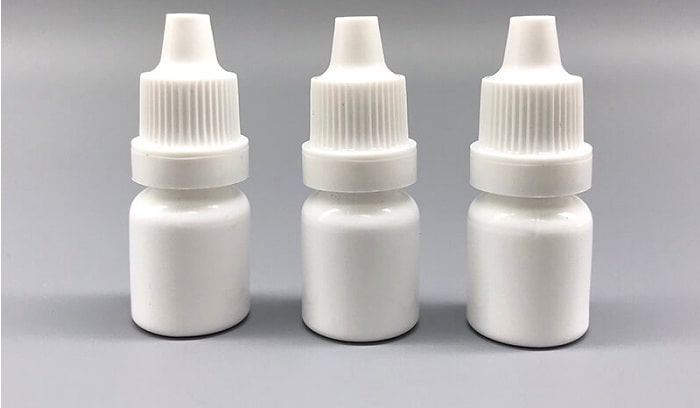
Take eye drops, for example. Trying to administer eye drops to a screaming child can be tremendously challenging – especially twice a day for two weeks.
Medication adherence has been an important issue for the pharmaceutical packaging and dispensing design industry for decades, but it’s become increasingly relevant in the pediatric space.
Impact of poor medication adherence with children
The first few years of a child’s life impact the trajectory of their health for years to come in so many ways. This not only includes staying healthy, but also recovering from ailments as quickly as possible.
Given that multiple studies show a strong correlation between medication adherence and positive health outcomes, it’s no surprise that poor adherence among children can lead to a litany of health issues.
According to a 2005 study, one in three children do not comply with prescription regimens. The study goes on to identify several long-term impacts poor medication adherence can lead to among children, which are:
According to a 2005 study, one in three children do not comply with prescription regimens. The study goes on to identify several long-term impacts poor medication adherence can lead to among children, which are:
-Higher risk for continued health problems: If medications aren’t used as directed, health outcomes can’t be fully achieved, causing problems to linger – or worse, develop into something more severe. As noted above, health issues among children are more likely to have significant long-term effects than with adults.
-Poor relationships with future care providers: As problems persists, especially under the care of a physician, it’s easy for children to develop a lack of trust in their care provider. It’s unfortunately common for children to carry this mentality into adulthood, potentially leaving future health problems to go unaddressed.
-Inaccurate assessment of the quality of care provided: If a prescription has been used as intended and the problem continues to persist, it at least helps inform the physician as to other potential interventions that should – or shouldn’t – be considered. In the case of poor medication adherence, the physician is left wondering if the problem was the medication itself or if that the patient didn’t take it as intended.
This non-adherence can pose significant problems for pharmaceutical brands as well, namely fewer prescriptions, and subsequently, a loss of revenue. Patients and their physician may choose a more invasive and costly intervention in lieu of a prescription simply because there’s an underlying skepticism that pharmaceuticals are ineffective.
So how can we in the packaging and dispensing industry help?
Improving adherence demands a multi-faceted approach, part of which includes clearer, simpler packaging for medications. Pharmaceutical packaging and dispensing design firms can play a significant part in this by developing packaging and dispensing solution that keeps the needs and challenges facing parents at the forefront of the design process.
When a brand gets adherence right, there can be a triple benefit – the patient’s health improves; the brand is used or prescribed more, and overall healthcare costs drop.