


















PRISM, a UK based consortium which includes Johnson Matthey, Brunel University, Mirage Inks and CCL Labels, is poised to separate plastic to food-grade quality in a single step, transforming the sorting process in recycling facilities, it says. The technology can rapidly and efficiently distinguish between food-grade and nonfood-grade polymers, identify black plastics and tag full-length shrink-sleeves.
The funded project, which began in 2016, uses fluorescent markers produced from materials recovered from fluorescent lamp recycling and non-rare earth-based compounds which are printed on labels or plastic packaging sleeves.
As the mixed plastic waste runs along the conveyor belt the high-speed sorting system is triggered by an ultraviolet (UV) light source that identifies the coded PRISM label, reads its code and air propels it into the appropriate recycling stream.
Following extensive trials PRISM is now well proven in Municipal Recycling Facilities (MRFs) and is “plug-and-play” ready, according to Nextek, which coordinates the project. It is complementary to existing Near Infrared (NIR) technology and can easily be adapted to most sorting facilities around the world to target specific recycling streams such as food contact plastic packaging, it claims.
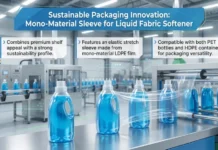
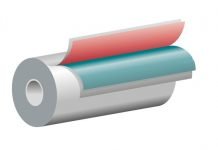
The technology uses traditional labelling and branding methods and is designed to identify a host of different materials, applying multiple markers for a wide range of codes. The markers are typically used on a label or sleeve on the container that is removed from the plastic during the recycling process.
Even the most challenging plastic waste can be sorted in a single step to over 96% purity with a yield in excess of 95%, which meets the EU’s stipulated 95% purity for PET food-grade plastic, according to the consortium. The technology opens up new opportunities for brand owners wishing to recover their packaging as part of the circular economy. Already there is global brand owner interest.
The next step is developing acceptance of the labels with brand owners and the preparation of the MRFs with the necessary retrofits of the software and UV illumination.