










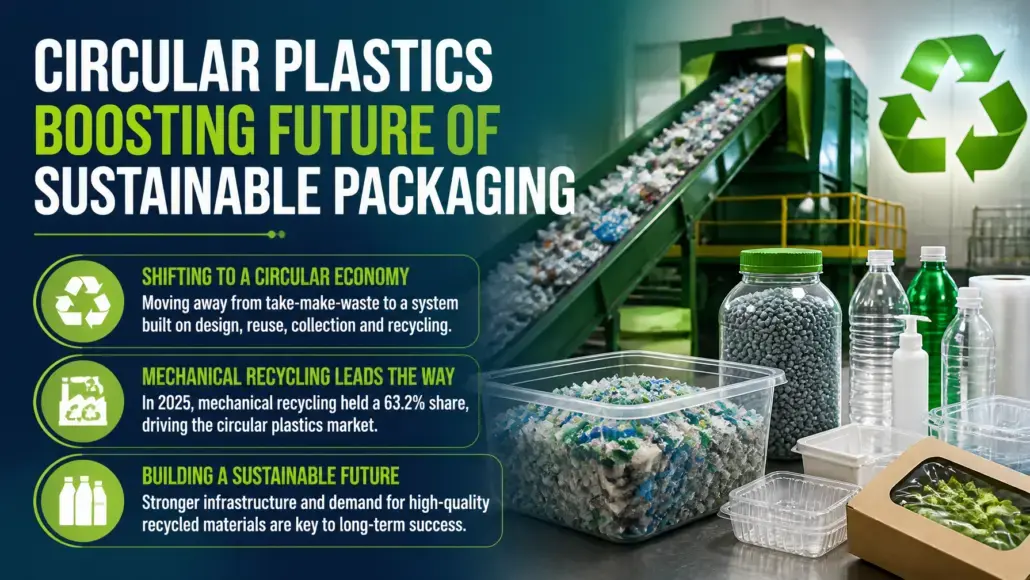
The global plastic industry is undergoing a profound transformation as it moves away from a linear take-make-waste model toward a truly circular economy. Circular plastics and sustainable packaging depend on better design, collection, recycling infrastructure, and the creation of robust markets for high-quality recycled materials worldwide.
Market analysis from 2025 shows that the mechanical recycling segment dominated the circular plastics market with a 63.2 percent share. While mechanical recycling remains the cornerstone of the industry, the emergence of advanced chemical recycling technologies is expanding the boundaries of what is possible. Packaging World Insights notes that these developments are essential for pharmaceutical and food-grade applications where material purity and safety are non-negotiable.
Mono Material Design for Recyclability
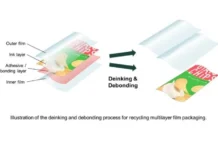
Design for recyclability is the first and most critical step in the circular journey. For years, packaging was often designed with multiple layers of different plastics that were impossible to separate. Today, the industry is shifting toward mono-material solutions that simplify the recycling process. Global brands are increasingly committing to using only 100 percent recyclable packaging by 2030, a goal that requires a complete overhaul of existing product lines. In 2025, several major plastic producers announced the launch of new polyethylene and polypropylene resins that offer the performance of multi-material laminates in a single, easily recyclable layer. This innovation ensures that a package can be processed in standard recycling streams without compromising on protection or shelf life.
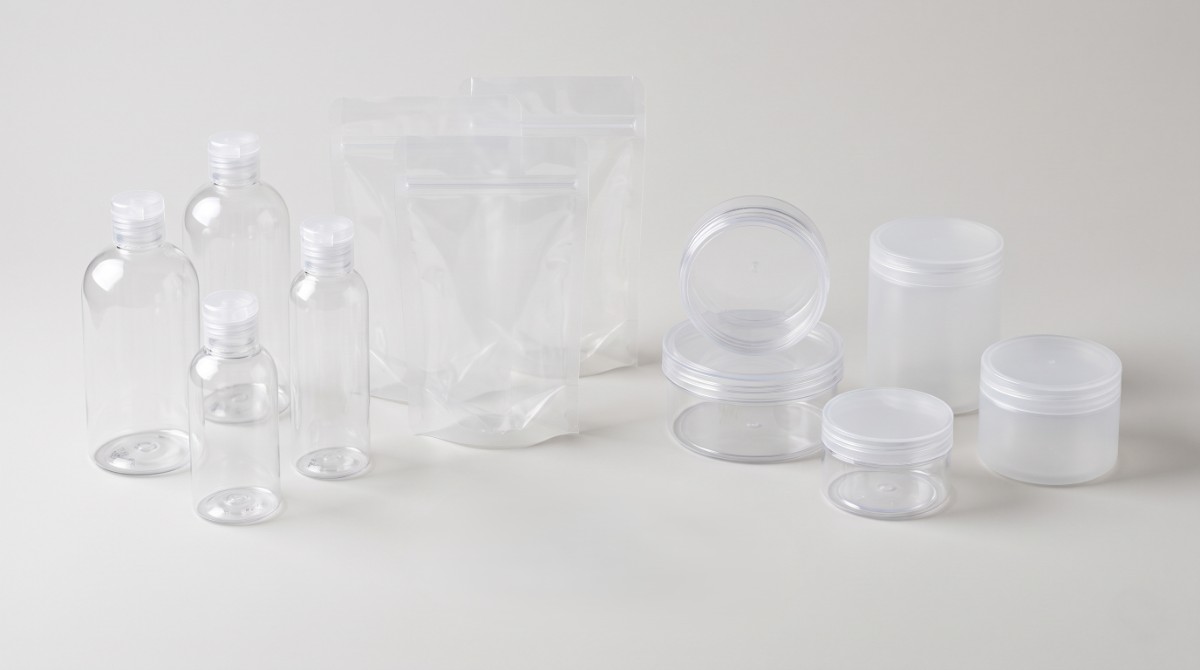
The role of advanced chemical recycling, often referred to as molecular recycling, is growing rapidly in late 2025 as the industry seeks to overcome the limitations of mechanical processes:
- Fundamental Chemical Breakdown: Unlike mechanical recycling, which physically shreds plastic and often degrades material properties, chemical recycling uses heat, pressure, and catalysts to reduce polymers back to their foundational chemical monomers.
- Expanded Waste Processing: The method successfully processes hard-to-recycle materials, including heavily printed flexible films, multi-layer laminates, and contaminated post-consumer plastic.
- Landfill and Incineration Diversion: By accepting streams unsuitable for conventional recycling, the process diverts substantial volumes of complex plastic waste from landfills and incinerators.
Industrial Developments in Circular Plastics
More importantly, the resulting resins are chemically identical to virgin plastic, making them suitable for the most sensitive applications, including primary pharmaceutical packaging and medical grade containers.
- Eastman’s Facility Expansion: In June 2025, Eastman expanded its Tennessee molecular recycling plant into one of the world’s largest and most advanced facilities, processing over 100,000 tons of plastic waste annually. The site converts previously unrecyclable plastics into high-value resins that meet strict safety and performance standards for medical, beauty, and consumer goods packaging. Scaling such advanced recycling facilities globally establishes a steady supply of circular feedstocks, accelerating the phase-down of virgin fossil fuels.
- LyondellBasell’s European Startup: In early 2026, LyondellBasell launched an advanced recycling plant in Germany using proprietary pyrolysis to turn mixed plastic waste into polymer feedstocks. SABIC broadened its Trucircle portfolio through targeted partnerships designed to build closed-loop recycling systems for automotive and electronic components. These collective commercial milestones signal that circular plastics are swiftly transitioning from pilot concepts to large-scale industrial reality.
Mass Balance Certification and Market Transparency
The ability to create a mass balance approach is a key enabler of this transition. In this model, recycled feedstock is mixed with virgin material at the refinery level, and the recycled content is allocated to specific end products through a rigorous third-party auditing process. This allows companies to gradually increase the recycled content of their products while maintaining the high performance and regulatory compliance that their customers expect.
In late 2025, the adoption of mass balance certification saw an increase among global packaging firms, according to industry reports. This approach provides a practical pathway for the industry to transition to circularity without having to build entirely separate supply chains for recycled materials. It also allows for the continuous operation of large-scale manufacturing facilities, which is essential for maintaining cost-competitiveness. As the volume of chemically recycled feedstock increases, the percentage of allocated recycled content will also rise, eventually leading to products that are derived entirely from waste materials. The mass balance model is particularly useful for complex global supply chains, where tracking individual molecules is impossible but tracking the overall flow of materials is both manageable and verifiable.
Recycling Friendly Additives and Material Purity
The transition to circular plastics is also driving innovation in the additives and colorants used in packaging. Traditional dyes and stabilizers can often hinder the recycling process or degrade the quality of the recycled material. New recycling-friendly additives are being developed that remain stable throughout multiple processing cycles. Some companies are also moving away from dark-colored plastics, which are difficult for optical sorters to identify, in favor of clear or light-colored materials that have a higher value in the recycling market. This holistic approach to material science ensures that every part of the package is optimized for circularity.
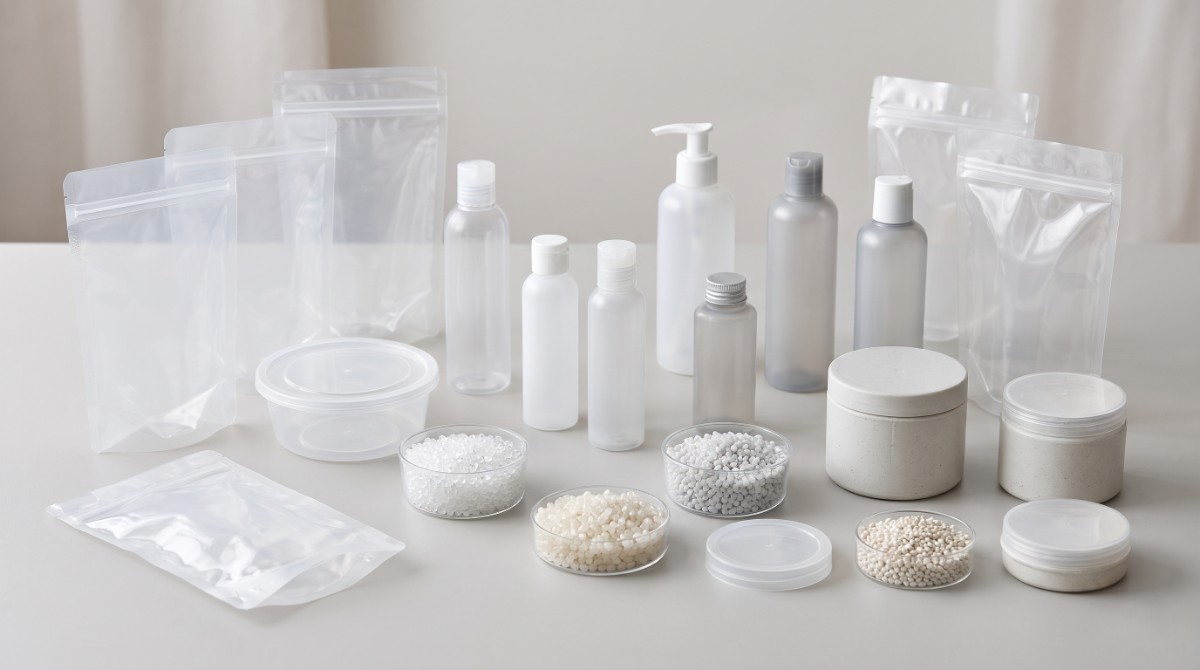
Strategic partnerships are further accelerating the move toward a circular plastic economy. In early 2026, a consortium of major consumer goods companies and material producers launched a global initiative to standardize the design of flexible packaging for recycling. This project aims to reduce the complexity of the waste stream, making it easier and more cost-effective for recycling facilities to process plastic films. By working together, these companies can achieve a level of scale and impact that would be impossible for any single organization to reach on its own.
Future Perspectives on Systemic Change
Looking ahead, the future of sustainable packaging will be defined by a combination of material innovation and systemic change. The move toward circular plastics is not just a technical challenge, it is an economic and cultural one that requires the cooperation of every stakeholder in the value chain. As the infrastructure for collection and recycling continues to improve, the reliance on virgin fossil-fuel derived plastics will naturally decline, leading to a more resilient and sustainable industry.
Packaging World Insights is observing that transitioning to a circular plastics economy depends on our ability to sort and manage waste more effectively, a challenge that is being solved by AI innovations, where machine learning helps identify materials that were previously considered unrecyclable. This technological integration is the final piece of the puzzle, allowing for a level of precision and efficiency that was previously unimaginable in the waste management sector.
References
- “Eastman Molecular Recycling Facility Expansion” – Eastman Chemical Company
- “LyondellBasell Advanced Recycling Report 2026” – LyondellBasell
- “Indorama Ventures Sustainability Report 2025” – Indorama Ventures
- “Circular Economy Strategy 2025” – SABIC
- “Global Recycling Infrastructure Outlook” – Veolia

