




The global packaging industry is currently undergoing one of its most significant technological shifts in decades, driven primarily by the transition from traditional analog processes to sophisticated digital solutions. For years, the production of boxes, labels, and flexible pouches was dominated by flexographic and offset printing, methods that required physical plates, extensive setup times, and massive minimum order quantities to remain economically viable. However, the emergence of advanced digital press technology has rewritten these rules, ushering in an era where agility and precision are no longer reserved for large-scale corporations.
The Evolution of Digital Press Technology in Modern Manufacturing
At the heart of this transformation is the maturity of inkjet and electrophotographic technologies. In the early days, digital printing was often viewed as a secondary option, suitable only for prototyping or low-quality jobs. Today, the quality produced by high-end digital presses is indistinguishable from, and in some cases superior to, traditional methods. This parity in quality has allowed digital printing in packaging to become a primary production tool for brands seeking to optimize their supply chains.
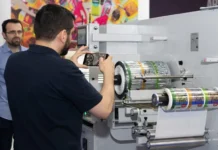
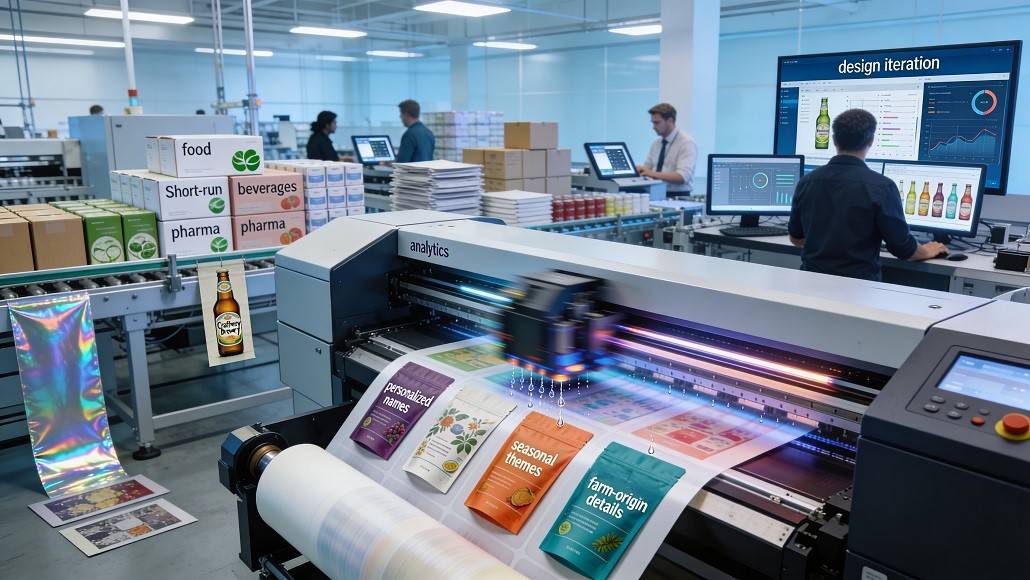
The technical mechanics of digital printing eliminate the need for printing plates. In a traditional flexo environment, every color requires a separate plate, and any change in the design necessitates the creation of new hardware. Digital systems, conversely, translate digital files directly into microscopic droplets of ink or toner applied precisely to the substrate. This direct-to-substrate approach means that a press can switch from one design to another in seconds, rather than hours. This capability is the cornerstone of the “short run” revolution, where runs of five hundred units are just as feasible as runs of fifty thousand.
Strategic Advantages of Short Run Packaging for Emerging Brands
For small to medium-sized enterprises, the ability to order packaging in smaller quantities is a game-changer. Historically, the high cost of entry forced many startups to use generic packaging with stickers or labels, which often lacked the “shelf appeal” necessary to compete with established giants. Short run packaging allows these smaller players to utilize fully printed, high-quality custom boxes and pouches from day one. By lowering the financial risk associated with large inventory purchases, these businesses can allocate more capital toward product development and marketing.
Beyond the initial cost savings, the flexibility of short runs enables a strategy of constant iteration. In a fast-moving market, a brand might discover that a specific piece of information on their packaging needs to be updated for regulatory reasons or consumer feedback. In an analog world, this would mean discarding thousands of dollars worth of pre-printed stock. With digital printing in packaging, the brand simply updates the digital file for the next batch, ensuring that their presence on the shelf is always current and compliant.
Driving Consumer Engagement through Packaging Customization
We are living in the age of the individual, where consumers increasingly expect products to feel tailored to their specific needs and values. Packaging customization has moved from being a luxury add-on to a core requirement for brand loyalty. Digital printing allows for “versioning,” where a single production run can include dozens of different designs without a pause in the printing process. This might manifest as localized language versions for different regions, seasonal themes, or even unique identifiers for limited-edition collaborations.
The most famous example of this was the “Share a Coke” campaign, which utilized digital technology to print thousands of different names on individual labels. While that was a massive global initiative, the same principles are now being applied by boutique coffee roasters who want to feature the name of the specific farm where their beans were grown on every bag. This level of storytelling and transparency builds a deep emotional connection with the consumer, transforming a simple container into a medium for brand narrative.
Reducing Environmental Impact through Smarter Inventory Management
Sustainability is no longer an optional consideration for packaging manufacturers; it is a central pillar of operations. One of the least discussed but most significant environmental benefits of digital printing is the reduction of physical waste. Traditional printing methods often lead to “over-runs,” where brands order more packaging than they actually need to hit a lower price point per unit. Much of this excess eventually ends up in landfills when products are discontinued or designs are updated.
By enabling precise, on-demand production, digital printing in packaging drastically reduces the amount of obsolete inventory. Furthermore, the lack of physical plates means fewer chemicals and materials are used in the pre-press process. Modern digital inks are also evolving, with more water-based and food-safe options entering the market, further aligning the technology with global “green” initiatives. When a brand only prints what it needs, when it needs it, the entire carbon footprint of the packaging lifecycle is significantly diminished.
Overcoming Traditional Barriers in the Supply Chain
The traditional packaging supply chain was often characterized by long lead times, sometimes stretching into months. In a global economy where trends can emerge and disappear on social media within weeks, a three-month lead time for packaging is an eternity. Digital printing in packaging collapses these timelines. By streamlining the workflow from design to finished product, manufacturers can offer turnaround times that were previously unthinkable.
This speed to market is particularly vital for the food and beverage industry, where seasonal flavors and limited-time offers are common. A craft brewery, for example, can respond to a local event by producing a special edition label and having it on the shelves within days. This responsiveness allows brands to be more reactive to market conditions, competitor moves, and cultural moments, providing a competitive edge that is impossible to achieve with slow-moving analog processes.
Navigating the Technical Landscape of Digital Workflow Integration
Implementing a digital-first strategy requires more than just buying a new press; it requires a holistic rethinking of the workflow. Software plays a massive role in managing the high volume of unique files that digital printing generates. Automated pre-flighting tools and color management systems ensure that the vibrant red on a computer screen translates perfectly to the physical box. This “digital thread” connects the designer directly to the production floor, reducing the likelihood of human error and ensuring consistent quality across multiple batches.
As the technology continues to advance, we are seeing the rise of hybrid systems that combine the speed of traditional printing with the variable data capabilities of digital. However, for the vast majority of short run packaging needs, pure digital solutions remain the gold standard. The integration of data analytics into the printing process also allows manufacturers to track which designs are performing best in the market, further informing future production decisions.
Future Horizons: The Next Frontier of Packaging Innovation
Looking ahead, the role of digital printing in packaging will only continue to expand. We are seeing the development of even faster inkjet heads and wider press widths, which will push the economic “cross-over point” where digital becomes cheaper than flexo for even larger runs. Additionally, the development of specialty digital coatings and finishes such as digital spot UV and foil means that the aesthetic possibilities are nearly limitless.
The future of packaging is one that is smart, sustainable, and intensely personal. Digital printing is the engine that makes this future possible. As consumer behavior continues to shift toward e-commerce and personalized experiences, the brands that embrace the flexibility of digital production will be the ones that thrive. The transformation of short run packaging is not just a trend; it is a fundamental redefinition of how products are presented to the world.