



















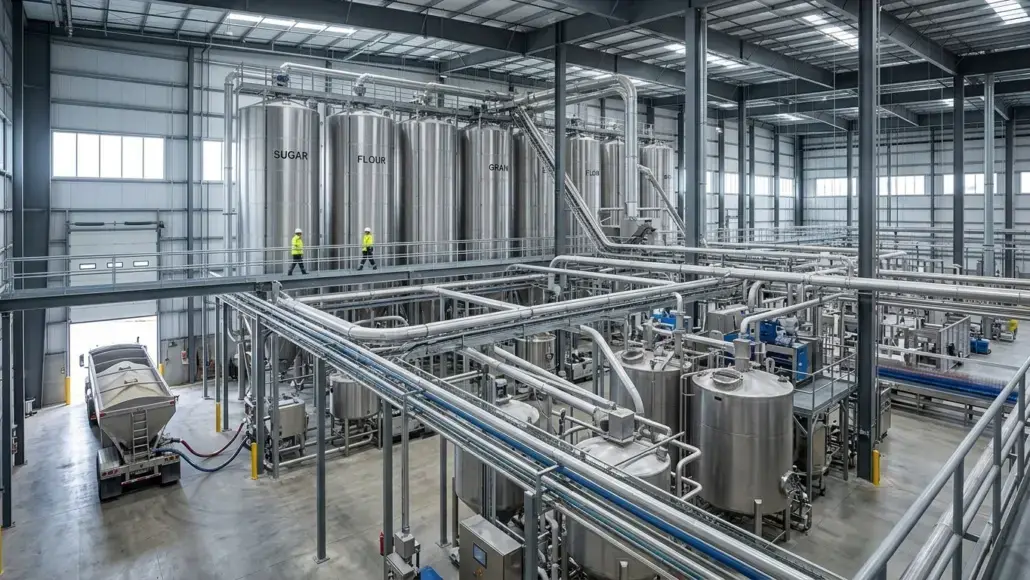

The scale of modern beverage manufacturing demands a departure from manual labor and small-scale batching toward integrated, high-capacity systems. Bulk ingredient handling improving beverage production is now a cornerstone of operational excellence, providing the mechanical and digital framework necessary to move thousands of tons of sugar, grains, powders, and liquids with surgical precision. As facilities grow to meet global demand, the risks associated with material loss, contamination, and labor costs escalate. Consequently, the adoption of automated transfer technologies and sophisticated storage solutions is no longer a luxury but a fundamental requirement for maintaining a competitive edge in an increasingly crowded marketplace.
The Mechanical Evolution of Material Transfer Systems
The journey of an ingredient from the receiving dock to the mixing vessel is a complex logistical challenge that requires robust engineering. Modern bulk ingredient handling improving beverage production utilizes pneumatic conveying systems that move dry powders and granules through enclosed pipes using air pressure or vacuum. This method is superior to traditional mechanical conveyors because it eliminates the risk of environmental contamination and prevents product loss from dust or spillage. By creating a sealed environment, manufacturers can ensure that delicate ingredients, such as botanical extracts or specialized sweeteners, are protected from humidity and oxygen until the exact moment of formulation.
Furthermore, the integration of high-capacity storage silos equipped with sophisticated discharge aids ensures a consistent flow of material. Ingredients like sugar or flour can often bridge or rat-hole in storage vessels, leading to production delays. Advanced vibration systems and fluidization beds are now used to maintain material “mobility,” ensuring that the production line never starves for raw materials. This mechanical reliability is the bedrock of high-speed manufacturing, allowing for 24/7 operation with minimal human intervention. When these systems are combined with automated weighing and dosing modules, the accuracy of the final product is guaranteed to within a fraction of a percent, reflecting the high standards of bulk ingredient handling improving beverage production.
Contamination Control and Hygienic Design Standards
In the beverage industry, food safety is the non-negotiable priority that dictates every engineering decision. Bulk ingredient handling improving beverage production has seen a major shift toward hygienic design, where equipment is constructed with smooth, non-porous surfaces and minimal “dead zones” where bacteria could thrive. Stainless steel 316L has become the industry standard for contact surfaces, providing resistance to the corrosive effects of acidic ingredients and the harsh chemicals used in Clean-in-Place (CIP) cycles. The ability to sanitize a system without full disassembly is a major factor in reducing downtime and ensuring the purity of every batch.
Beyond internal hygiene, these systems are designed to prevent cross-contamination between different product lines. In facilities that produce a wide variety of SKUs, such as allergen-free and traditional beverages, the segregation of material handling paths is critical. Automated pigging systems for liquid lines and dedicated pneumatic paths for powders allow for rapid changeovers without the risk of residue transfer. This level of control is essential for meeting the stringent requirements of global food safety standards and protecting the health of the consumer. Bulk ingredient handling improving beverage production thus acts as a primary defense against the biological and chemical risks inherent in mass-scale food processing.
Process Efficiency Gains and Economic Viability
The economic logic behind bulk ingredient handling improving beverage production is centered on the reduction of operational waste and the optimization of labor resources. Manual handling of 50-pound bags is not only slow and prone to error but also a major source of workplace injuries. By transitioning to bulk delivery via tankers or “Super Sacks” integrated into automated unloading stations, facilities can dramatically reduce their cost per unit. The savings on packaging materials alone eliminating thousands of small bags can justify the capital investment in bulk infrastructure within a relatively short period.
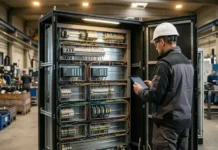
Moreover, the digital integration of material handling with the plant’s Manufacturing Execution System (MES) provides real-time visibility into inventory levels. Automated sensors in silos provide accurate data on consumption rates, allowing for “just-in-time” ordering and reducing the capital tied up in excess stock. This data-driven approach allows plant managers to identify bottlenecks in the material flow and optimize the timing of batching cycles. Bulk ingredient handling improving beverage production is therefore a catalyst for a leaner, more responsive supply chain that can adapt to fluctuating market demands without sacrificing efficiency.
Dust Management and Workplace Safety
A critical but often overlooked aspect of bulk handling is the management of combustible dust. Many dry ingredients used in beverage production, such as sugar and cocoa powder, can pose an explosion risk if not handled correctly. Modern bulk ingredient handling improving beverage production incorporates advanced dust collection systems and explosion venting to mitigate these risks. By maintaining a clean and controlled environment, manufacturers protect their most valuable asset their employees while ensuring compliance with occupational health and safety regulations.
The Future of Smart Bulk Logistics
As we look toward the future, the role of Artificial Intelligence in bulk logistics will continue to grow. We are seeing the development of self-optimizing conveying systems that adjust air pressure and flow rates based on the specific characteristics of the material being moved. This “intelligent” handling reduces energy consumption and minimizes material degradation, further enhancing the benefits of bulk ingredient handling improving beverage production. The convergence of mechanical excellence and digital intelligence is creating a new standard of efficiency that will define the beverage factory of the tomorrow.
In conclusion, the transformation of raw material logistics is an essential component of the industry’s evolution. By embracing automation, hygienic design, and digital integration, manufacturers are reaching new heights of productivity and safety. Bulk ingredient handling improving beverage production is the invisible engine of the factory, ensuring that every drop of liquid and every grain of powder is managed with the care and precision required for global success.