

















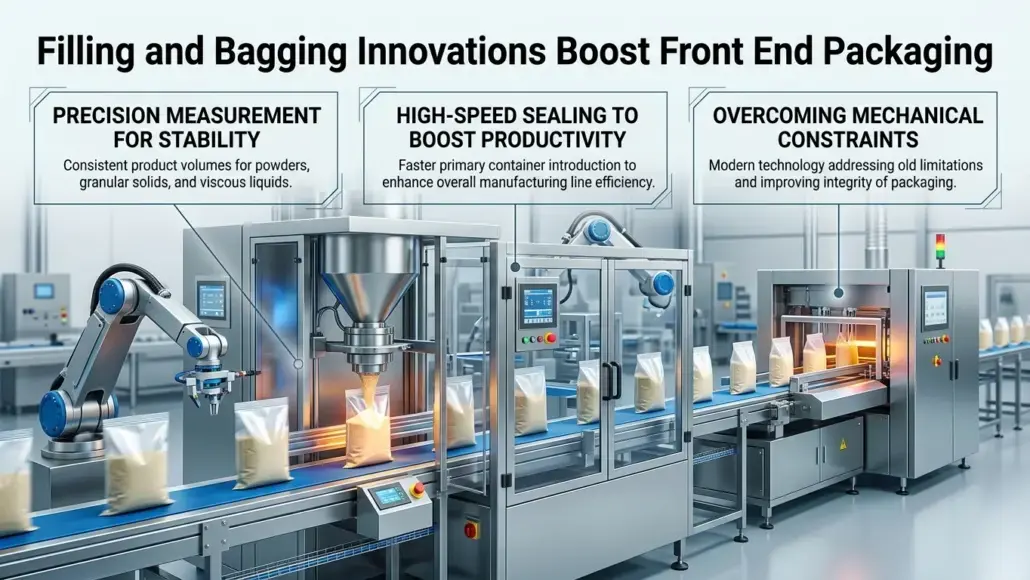
The initial stage of the packaging process, where a product is measured and introduced into its primary container, is a critical juncture for ensuring operational efficiency and product integrity. Whether the material is a fine powder, a granular solid, or a viscous liquid, the ability to fill and seal the container with precision and speed is essential for maintaining the overall productivity of the manufacturing line. For many years, these tasks were limited by mechanical constraints that led to inaccuracies and significant product waste. However, recent advancements in mechanical design and sensor integration are fundamentally changing these operations. It is increasingly clear that filling and bagging innovations are essential for meeting the demands of a high-volume, modern production environment.
Modern filling systems have moved beyond simple gravity or piston-driven mechanisms to incorporate sophisticated weight and volume control technologies. These systems utilize load cells and flow meters that provide real-time data to a central controller, allowing for minute adjustments during the filling cycle. This ensures that every bag or container is filled to the exact specification, minimizing the “giveaway” that can cost manufacturers thousands of dollars annually. This level of precision is a cornerstone of any effort toward improving front end packaging performance and ensuring a consistent product for the end consumer.
Advancements in Bagging Technology and Material Flow
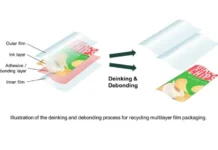
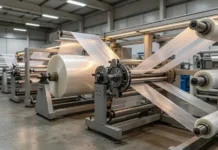
The evolution of bagging technology has been particularly significant for the dry bulk handling sector. Traditional open-mouth bagging systems have been largely replaced by more automated and enclosed systems that reduce the risk of dust and contamination. Modern bagging machines are capable of forming, filling, and sealing the bag in a single, continuous process, which significantly increases the total manufacturing throughput. This integrated approach also allows for the use of advanced materials such as barrier films and specialized closures that enhance the shelf life and safety of the product.
Effective material flow is also a key focus of filling and bagging innovations. When dealing with products that have different densities or flow characteristics, the ability of the system to adapt is critical. New agitators and vibratory feeders are designed to maintain a consistent flow of material to the filling head, preventing the “bridging” or “rat-holing” that can lead to uneven fill weights. By ensuring a steady and predictable flow, these systems help to maintain the stability of the entire front end packaging line, reducing the need for manual intervention and equipment adjustments.
Liquid Filling Precision and Operational Efficiency
In the liquid filling sector, the move toward servo-driven technology has provided a level of control that was previously unattainable. Servo motors allow for the precise modulation of the filling speed throughout the cycle, which is essential for preventing splashing and foaming in high-speed lines. This is particularly important for products such as personal care items, pharmaceuticals, and chemicals that may have sensitive chemical properties or specific viscosity requirements. The precision offered by these filling and bagging innovations ensures that the primary containers are filled without mess or waste, supporting both the quality and the cleanliness of the operation.
Operational efficiency is also enhanced through the reduction of downtime associated with cleaning and changeovers. Modern filling systems are designed with “clean-in-place” (CIP) capabilities that allow the internal components to be sanitized automatically without disassembling the machine. This is a vital feature for facilities that process multiple products or have strict hygiene standards. Furthermore, automated changeover systems allow the line to switch between different container sizes or product types with minimal delay, providing the flexibility needed to meet the demands of a diverse and rapidly changing market.
Strategic Innovation in Primary Containers
The role of the primary container in the packaging process is also undergoing a period of significant innovation. Manufacturers are looking for ways to reduce the amount of material used in their containers without compromising on strength or protection. Filling and bagging innovations are supporting this trend by allowing for the use of thinner and more flexible materials that would have been difficult to handle on older machinery. For example, the use of vertical form-fill-seal (VFFS) systems for flexible pouches has become a dominant trend in many sectors, providing a cost-effective and environmentally friendly alternative to rigid containers.
This move toward innovative primary containers also requires a corresponding adjustment in the filling and sealing process. New sealing technologies, such as ultrasonic welding and heat-sealing bars with precise temperature control, ensure that the package is airtight and secure every time. This is critical for maintaining the safety and the appearance of the product, as a poor seal can lead to leaks, spoilage, and brand damage. The coordination between the container design and the filling technology is a hallmark of a modern and integrated approach to front end packaging.
Productivity and Quality Assurance
The ultimate goal of any manufacturing innovation is to improve the productivity and the quality of the final unit. Filling and bagging innovations contribute directly to this goal by providing the speed and accuracy needed to meet high production targets. By automating the most data-intensive and repetitive tasks, firms can reallocate their human labor to more complex roles that require human judgment and technical skill. This not only improves the overall efficiency of the operation but also leads to a more engaged and higher-skilled workforce.
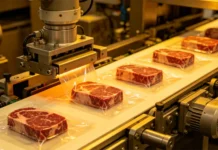
Quality assurance is also strengthened through the integration of inspection systems within the filling and bagging line. Checkweighers and vision systems can scan every unit to ensure that it meets the required weight and that the seal is perfect before it proceeds to the next stage of production. This real-time oversight allows for the immediate rejection of defective units, preventing the waste of secondary packaging materials and ensuring that only high-quality products are shipped. The use of advanced technology to monitor and control every aspect of the front end packaging process is a key differentiator for firms that are looking to lead the market in excellence and reliability.
Conclusion
The transition toward more automated and precise filling and bagging operations is a defining feature of the modern packaging industry. By replacing older mechanical systems with intelligent, sensor-driven technology, firms can achieve a level of operational precision that supports their long-term growth and success. The benefits of Filling and bagging innovations extend across every aspect of the manufacturing line, from improved throughput and reduced waste to enhanced safety and quality.
In the coming years, the focus will likely remain on the integration of more flexible and modular systems that can adapt to the changing needs of the consumer. The ability to manage a wide variety of products and containers with a single system will remain a key characteristic of successful manufacturing firms. The ongoing commitment to filling and bagging technology will continue to provide the foundation for a more efficient, responsive, and high-quality packaging sector.

