

















Multi Component Moulding is a game changer in an industrial world where technologies of manufacture and use are constantly evolving. The thought process between the combination of two or more materials is polymer, driven till now and for sure will remain a favourable choice of network being the fastest growing technology, best known for intricate challenged products manufactured with quality, longevity and usage. As a result of increasing demand for advanced manufacturing solutions across industries, the global multi component moulding market is expected to expand at a healthy compound annual growth rate (CAGR) of over 9% across the 2022-2032 forecast period.
This strong growth forecast highlights the increasing significance that multi component moulding holds for several industries, such as automotive, healthcare, consumer goods, and electronics. And with an anticipated market value of surpassing USD 15 Billion by 2032, it will undoubtedly have a continuing impact on the future of manufacturing.
What Is Multi Component Moulding Technology
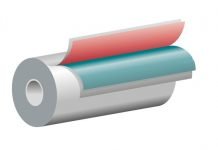
Multi component moulding technology essentially combines two or more different materials, each having a specific purpose, in one injection moulding part. This technique removes the necessity for secondary operations like assembly or adhesive bonding, simplifying production and lowering costs. The process materials made use of can differ significantly, from thermoplastics to elastomers, and can be tailored for specific properties, like strength, retainability, or substances resistance.
Reduced lead times are a major processing advantage of multi component moulding, providing large availability of highly complex and functional parts. For example, components that incorporate soft-touch surfaces, multi-colored designs, and integrated seals can all be made in one production cycle, removing the need for secondary manufacturing processes. Such precision and efficiency lead to broad implementation of these technologies across business verticals.
Key Reasons Behind Market Growth
Key factors such as advancements in technology, increased demand for high-performance products, and focus on sustainability are driving the growth of the global multi component moulding market. Industries are constantly working to understand and cater to changing consumer needs, therefore are implementing the latest technologies that allow for the highest quality of products with the least wastage and harm to the environment.
Multi component moulding technology is a huge part of the automotive industry and so a key driver for market growth. Automobile manufacturers are capitalizing on this technology to fabricate lightweight and strong parts that improve vehicle performance, in addition to fuel efficiency. The increase in automotive lightweighting solutions along with the growing focus on sustainability due to the growing penetration of EVs have propelled the demand for lightweight materials, which is also boosting the adoption of multi component moulding in the automotive industry.
Another major contributor to growing the market would be the healthcare industry. As the demand for sophisticated medical devices and equipment grow, manufacturers are adopting multi component moulding to create complex components with high precision that adhere to strict regulatory standards. Syringe barrels, drug delivery systems, and diagnostic devices in the sector represent examples of applications requiring integration of multiple materials to provide advanced functionality and reliability.
For example, toothbrushes, kitchen utensils, and electronic product casings are made from construction with a great deal of properties with pleasant ambiance along with multi component moulding in consumer goods category. Its capability to blend various materials and colors in a single product has created new opportunities in product design and innovation, which is driving its usage in this domain.
Revolutionary Technology and Progress
The market growth is mainly due to the fast advancement of multi-component moulding technology. This has only been made possible by the very sophisticated moulding machines we have now, which comes with equally advanced control systems. Modern multi-component moulding machines are also fitted with robotics and automation capabilities, facilitating seamless, accurate materials integration.
Advancements in material science are also driving the growth of the market. Novel polymer blends and additives have increased both the materials that are used in this process and the components’ mechanical, thermal and chemical properties. These innovations have expanded the range of applications for multi component moulding, making it a versatile solution for a variety of industries.
Farmers are also adopting Internet of Things (IoT) and Artificial Intelligence (AI) technologies to monitor their crops in real-time. This availability and analytics of real time data and predictive maintenance systems can lead to improves operational efficiency, reduces downtime, ensures consistent product quality. While these innovations are enabling the manufacturers to gain a competitive edge, they are also conducive to multi component moulding implementation across verticals.
Analysis Of the Market for Regional Insight and Future Outlook
There is a considerable difference in the multi component moulding market by region, where Asia-Pacific would dominate the market. With a strong industrial base and the world’s leading automotive and electronics manufacturers, the region has positioned itself as a centre of multi-component moulding activity. Countries including China, Japan, and South Korea are paving the way to adopting the technology, which is driven by significant investments into advanced manufacturing solutions, as well as the rising requirement for high-quality products.
A significant focus on innovation and sustainability in multi component moulding is noted in North America and Europe, also major markets for multi component moulding. The demand for multi-component moulding technology has been enhanced by the existence of well-known automotive and healthcare industries in these regions. Moreover, straitening norms and government policies regarding environment, is pushing the manufacturers for using eco-friendly production methods, driving the market for environmental organizations.
The report looks into the future where the multi component moulding market is likely to expand at a healthy growth rate worldwide. The market is projected to thrive due to the rising adoption of electric vehicles, increasing focus on renewable energy, and rising demand for high-performance materials in emerging economies. The market was valued at USD 1 billion in 2023, and it is expected to reach USD 15 billion by 2032, exhibiting a CAGR of 25% during the forecast period.
Conclusion
The multi component moulding market is helping solidify the future of the manufacturing industry. With the race to balance efficiency, sustainability, and innovation ongoing across industries, the adoption of multi component moulding technology is likely to accelerate, providing unmatched cost-effectiveness, design flexibility, and product performance.
Multi component moulding is a key technology to enable the increasing number of applications of machines, materials, and digital technologies available to mankind. (sourced) It breaks new ground in manufacturing across diverse sectors: automotive, healthcare, consumer goods, electronics, and beyond creating a more sustainable and efficient future.
However, with a consistently growing market with strong single digit CAGRs translating into growth till 2032, it is evident that multi component moulding represents more than just a manufacturing technology. Therefore, manufacturers, investors, and stakeholders must capitalize on the potential of this breakthrough technology to maintain a competitive edge in an ever-changing market.