








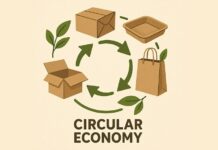



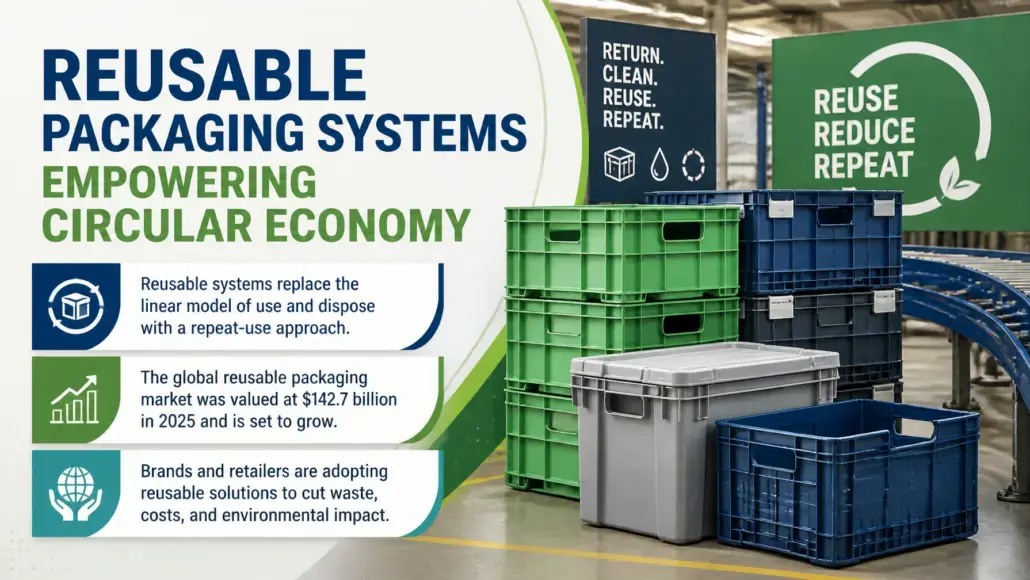
The global shift toward a circular economy is moving beyond simple recycling to embrace the more systemic challenge of reuse. For decades, the packaging industry was built on a linear model of extraction, production, and disposal. Today, that model is being challenged by the rapid growth of reusable packaging systems.
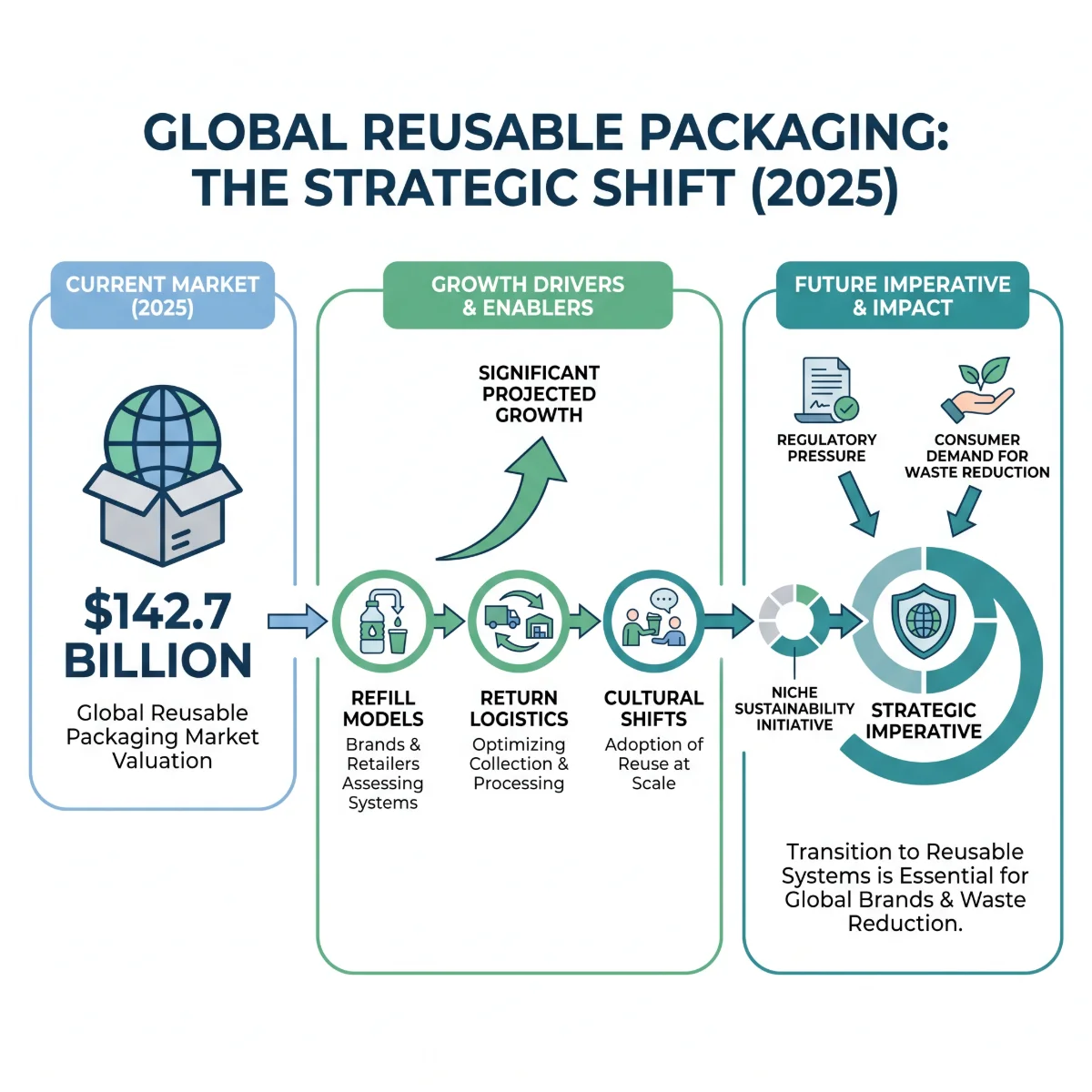
According to market data from 2025, the global reusable packaging market was valued at 142.7 billion dollars. This sector is projected to grow significantly as brands and retailers assess refill models, return logistics, and the cultural shifts required for reuse at scale. The transition to reusable systems is no longer a niche sustainability initiative, but a strategic imperative for global brands facing increasing regulatory pressure and consumer demand for waste reduction.
Strategic Redesign for Material Durability
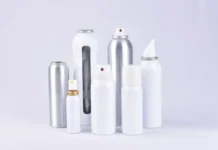
Developing a successful reusable system requires a fundamental rethink of the relationship between the product and the package. In 2025, several major fast-moving consumer goods (FMCG) brands launched large-scale pilot projects that move away from single-use plastics in favor of durable containers made from stainless steel, glass, and high-performance polymers. These materials are designed to withstand hundreds of wash and refill cycles without degrading. The focus is on creating a premium experience for the consumer, where the package is seen as a durable asset rather than a disposable piece of trash. This shift is particularly evident in the personal care and home cleaning sectors, where refill stations are becoming a common feature in major retail chains.
A critical component of these systems is the development of efficient reverse logistics. Collecting, cleaning, and redistributing reusable containers is a complex operational challenge that requires specialized infrastructure. In 2025, several global logistics firms announced investments in regional cleaning hubs that can process millions of units per month. These facilities use advanced sterilization technology to ensure that every returned container meets the highest safety standards before being refilled. The integration of IoT technology and digital tracking allows companies to monitor the location and condition of their assets in real time, reducing the rate of loss and improving the overall efficiency of the loop.
Smart Assets in Industrial Logistics
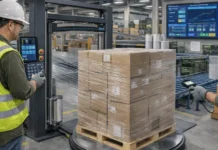
In the industrial and B2B sectors, reusable systems have been the standard for years, but new technologies are further improving their performance. IFCO and Brambles have introduced smart pallets and crates that use sensor technology to track humidity and temperature during transit. These innovations are particularly valuable for the transport of fresh produce, where maintaining the cold chain is essential for reducing food waste. In 2025, these companies reported a 20 percent increase in the adoption of their reusable plastic containers by major grocery retailers, who are looking to eliminate cardboard waste in their back-of-store operations.
Strategic partnerships are also driving innovation in the medical and pharmaceutical sectors. In early 2026, a major global medical device manufacturer partnered with a logistics provider to create a reusable sterilization tray system for surgical instruments. This project aims to replace thousands of single-use plastic trays that are traditionally discarded after a single procedure. The new system uses high-performance medical-grade materials that can be safely sterilized hundreds of times. This not only reduces waste but also lowers the total cost of ownership for hospitals by eliminating the need for constant repurchasing.
Regulatory Incentives and Consumer Participation
The economic landscape for reusable systems is being shaped by new regulations and financial incentives. Many cities are introducing bans on single-use containers for on-site dining, forcing the hospitality industry to adopt reusable alternatives. In 2025, the French government reported a significant reduction in waste after the full implementation of its reuse requirements for fast-food restaurants. These policies are creating a large and stable market for companies that provide reuse-as-a-service, where the service provider owns and manages the packaging fleet for the restaurant.
Consumer behavior is perhaps the most significant factor in the success of these systems. Reusable packaging requires a level of participation that is different from the buy and throw away habit of the last century. Brands are using loyalty programs and digital incentives to encourage customers to return their empty containers.
Operational Efficiency in Cleaning Technology
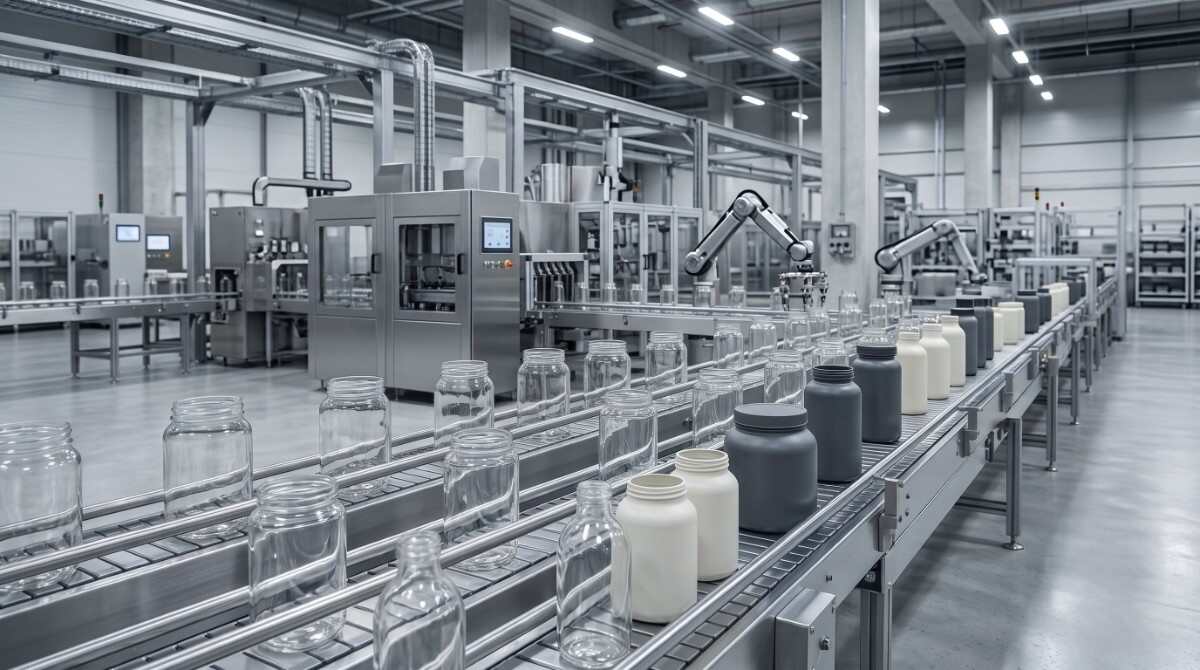
The role of technology extends to the cleaning process itself, which is often the most resource-intensive part of a reusable system. Advanced automated washing systems are now being designed to use significantly less water and energy while maintaining the uncompromising standards of hygiene required for food and medical applications. Some large-scale facilities are using closed-loop water filtration and renewable energy sources to further reduce the environmental impact of their operations. The development of specialized, biodegradable detergents that are effective at low temperatures is another major area of innovation that is improving the overall sustainability profile of reusable loops.
These facilities are also increasingly using AI-powered inspection systems to detect even the smallest cracks or contaminants in a container before it is refilled. This automated quality control ensures that only perfect assets remain in circulation, reducing the risk of product leakage or spoilage.
Blockchain and the Future of Loop Transparency
Looking ahead, the integration of blockchain technology and advanced serialization could provide even greater transparency and trust in reusable packaging systems:
- Tamper-Proof Lifecycle Tracking: Blockchain generates an immutable digital ledger tracking every cleaning, refill, and distribution cycle to verify a container’s complete safety history.
- Critical for High-Risk Sectors: The technology provides vital chain-of-custody assurance for sensitive markets—such as pharmaceuticals and infant nutrition—where package integrity cannot be compromised.
- Instant Verification for End-Users: Patients and healthcare professionals can scan an on-pack QR code to instantly verify sterilization timestamps, methods, and handling history.
As these tracking technologies mature and become more affordable, the barrier to entry for complex reuse systems will continue to fall. This will make it a viable option for a much wider range of high-value products and sensitive markets. In late 2025, a consortium of global logistics providers began testing a unified blockchain platform for reusable assets, aiming to create a cross-industry standard for tracking and verification. Such a standard would allow different companies to share the same reuse infrastructure, further driving down costs and increasing the convenience for both brands and consumers. The ultimate goal is a world where every package is treated as a valuable resource that is continuously tracked, maintained, and reused throughout its natural life.
While reuse systems reduce the need for new materials, they must be supported by high-quality material loops for the items that eventually reach the end of their functional life, this leads to the growing focus on circular plastics and the future of sustainable packaging to handle the items that cannot be easily returned or that require specialized recycling at the end of their journey. A holistic circular economy requires both robust reuse systems and advanced recycling infrastructure to manage the full diversity of packaging materials used in global commerce.
References
- “Circular Design Metrics for Reusable Packaging” – DS Smith
- “Sustainability in Hospital Logistics 2026” – IFCO Systems
- “Global Reuse Infrastructure Report 2025” – Brambles
- “Refill and Reuse Strategic Outlook” – Unilever
- “Circular Economy Partnerships 2025” – Procter & Gamble

