












The global pharmaceutical industry is undergoing a structural shift in how it approaches product protection and environmental responsibility. While plastic blisters and aluminum foils have dominated the sector for decades, the rise of fiber-based pharmaceutical packaging is challenging traditional norms.
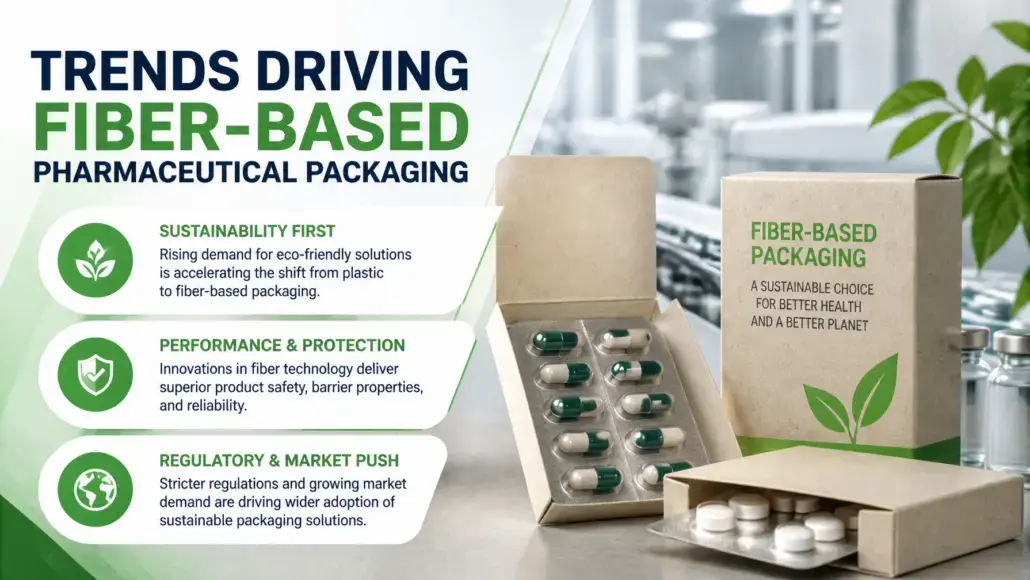
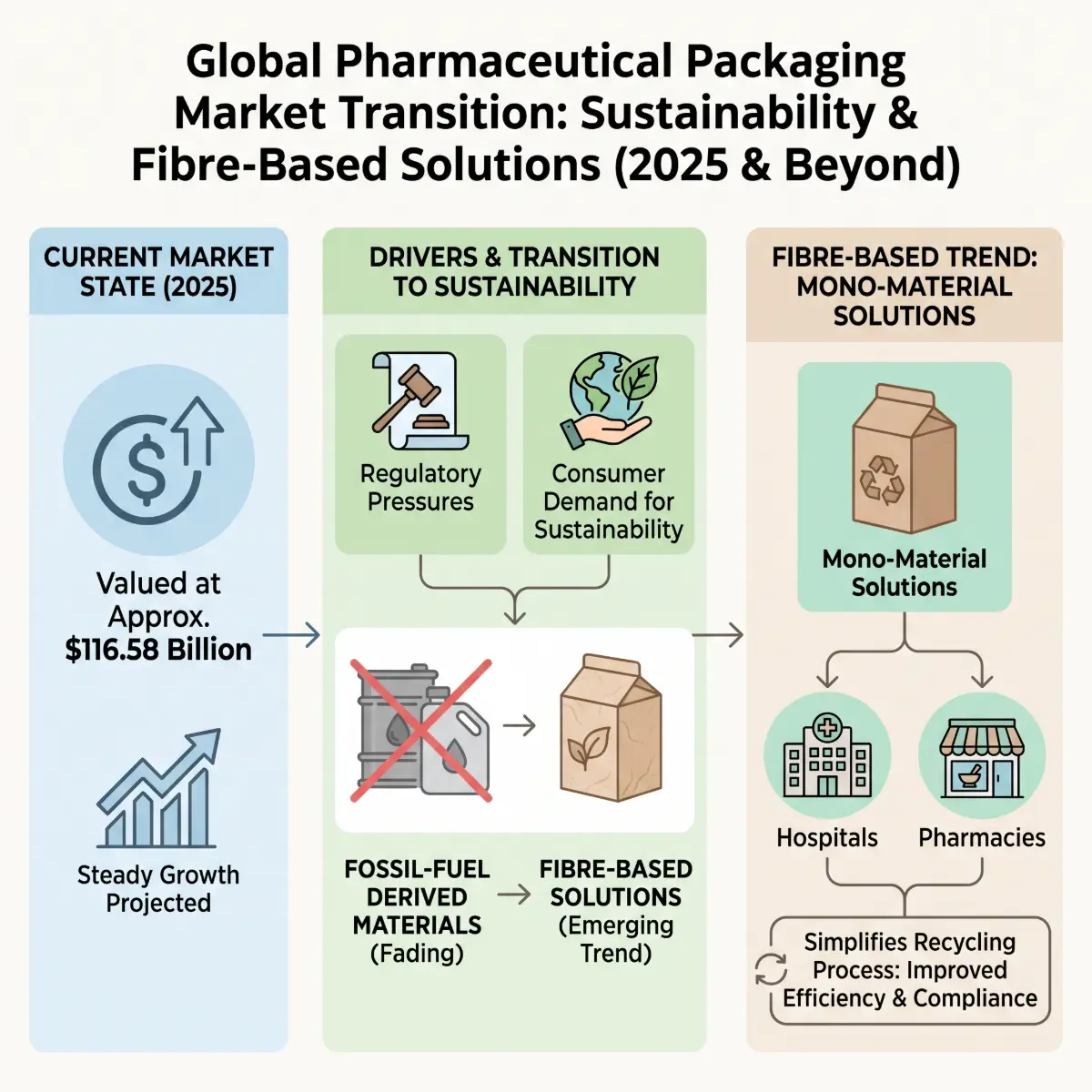
Market data from 2025 indicates that the global pharmaceutical packaging market was valued at approximately 116.58 billion dollars. Analysts project this figure will climb steadily as regulatory pressures and consumer demand for sustainability force a move away from fossil-fuel derived materials. Fiber-based pharmaceutical packaging trends are now defined by a transition toward mono-material solutions that simplify the recycling process for hospitals and pharmacies.
Regulatory Pressures Shaping Material Selection
Regulatory frameworks such as the European Packaging and Packaging Waste Regulation are accelerating this transition. By early 2026, many pharmaceutical manufacturers have already integrated paper-based alternatives for secondary and even some primary packaging applications. The focus is no longer just on replacing plastic, but on creating high-performance cellulose structures that can withstand the rigors of the pharmaceutical supply chain. This includes moisture resistance, tamper evidence, and compatibility with cold chain logistics.
The development of fiber-based pharmaceutical packaging is not limited to simple boxes:
- Advanced Carton Engineering: Companies are developing complex folding cartons with integrated child-resistant mechanisms and senior-friendly openings. These carton innovations maintain high safety standards while transitioning away from plastic.
- Rise in Fiber-Based Patents: The industry is experiencing a surge in patent filings for molded pulp inserts designed to replace expanded polystyrene (EPS) and plastic cushioning. Molded pulp solutions deliver high-level shock absorption for delicate diagnostic equipment and glass vials.
Industrial Scale Adoption and Supply Chain Efficiency
In July 2025, Smurfit Westrock announced a significant expansion of its research and development facilities focused on pharmaceutical grade paper products. This investment aims to produce ultra-lightweight boards that maintain the structural integrity required for high-speed automated packaging lines. The move highlights the growing commercial viability of fiber-based pharmaceutical packaging for large-scale pharmaceutical operations. By reducing the weight of the packaging, companies can lower their carbon footprint during transport while maintaining the necessary protective barriers.
Advancements in fiber processing technology are enabling the creation of smart paper packs that redefine the relationship between a patient and their medication. These containers can incorporate printed electronics and Near Field Communication tags directly onto the cellulose substrate. This technology allows for real-time tracking of medicine shipments without the need for additional plastic components or heavy hardware. The ability to monitor temperature and humidity within a fiber-based pharmaceutical packaging is particularly critical for biologics and specialty drugs that require strict environmental controls.
Intelligent Functionality in Modern Cellulose Structures
If a medication exceeds its safe temperature range, the electronic layer on the fiber pack can change color or trigger a notification to the pharmacist. This ensures that only safe and effective medications reach the patient. Furthermore, these smart fiber packs can help with patient adherence. When a patient opens a carton, the integrated circuitry can log the time and date, providing valuable data for clinical trials and chronic disease management. This level of functionality was once the sole domain of high-cost plastic and metal systems, but fiber innovation is making it accessible for a wider range of essential medicines. The integration of such technology also facilitates a more efficient supply chain by reducing the amount of lost or spoiled inventory. Healthcare systems in 2025 have begun to prioritize these intelligent fiber solutions as a way to reduce overhead while improving patient safety outcomes.
As the industry looks beyond traditional wood fiber, many organizations are exploring alternative agricultural sources. This includes the integration of straw, hemp, and even seaweed fibers into the paper-making process. These materials offer different structural properties and can enhance the overall sustainability profile of the pack. For instance, some agricultural residues provide natural antimicrobial properties that are beneficial in a medical context.
Protective Barriers and Recycling Compatibility
A critical component of this transition is the development of next generation barrier coatings that allow paper to perform like plastic. These coatings are essential for preventing moisture ingress and oxygen transmission, which can degrade sensitive chemical compounds. Many of these coatings are now being designed to be fully repulpable, ensuring that the entire pack can be recycled in existing paper streams. This eliminates the need for complex separation processes that often render multi-material packs unrecyclable.
The adoption of fiber-based pharmaceutical packaging also offers significant benefits for clinical trials and hospital settings. Fiber packs are often easier to store, stack, and dispose of compared to rigid plastic containers. In 2025, several major hospital groups in North America reported a 15 percent reduction in packaging waste after switching to fiber-based secondary packs for high-volume medications. This reduction in waste not only lowers disposal costs but also aligns with the broader sustainability goals of healthcare providers.
Strategic Partnerships and Premium Branding
-
Stora Enso: Stora Enso launched a carbon-neutral packaging line in late 2025 aimed at high-value pharmaceuticals, combining premium high-gloss branding with full recyclability via a bio-based coating. The development highlights that high-end aesthetics and environmental targets can successfully align within the pharmaceutical industry.
- Mondi Group: In early 2026, Mondi partnered with a leading global drugmaker to develop fiber-based blister packs for non-sensitive tablets, targeting one of the industry’s toughest moisture-barrier challenges. Pilot data indicates specially treated paper could replace up to 60% of conventional PVC blister packs across select drug categories.
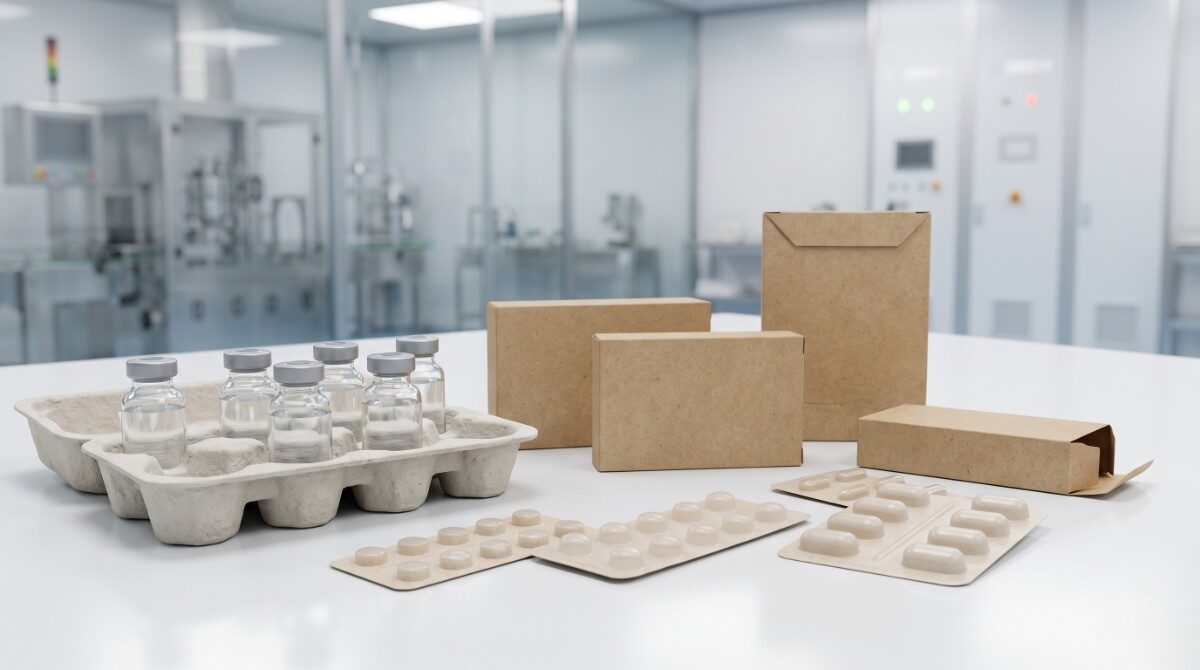
The shift toward fiber is also influencing the design of medical device packaging. Trays for surgical instruments and diagnostic kits are increasingly being made from molded fiber rather than thermoformed plastic. These trays are not only sustainable but also offer improved sterilization compatibility for certain processes. The ability to customize the shape and density of molded fiber ensures that even the most complex medical instruments are held securely during transit.
As companies refine their material choices, many are looking at the broader ecosystem of sustainable materials. The move toward fiber is often the first step in a larger journey towards advancing bio-based pharma packaging solutions, which incorporates a wider array of biological polymers and natural resins. This transition reflects a deep commitment to decoupling pharmaceutical production from fossil fuel dependency.
Holistic Circularity and Future Directions
Looking ahead, the integration of bio-based additives will likely further enhance the performance of fiber-based pharmaceutical packaging. These additives can increase the strength of the cellulose fibers, allowing for thinner and more resource-efficient designs. Researchers are also investigating the use of nanocellulose to create ultra-dense barriers that could eventually eliminate the need for aluminum foil in many pharmaceutical applications.
The industry is also seeing a shift in how these packs are printed and labeled to ensure that sustainability is not undermined by secondary materials. Water-based inks and compostable labels are becoming the standard for fiber-based pharmaceutical containers across the globe. This holistic approach ensures that every element of the pack contributes to its circularity rather than creating complications at the end of its life. By avoiding petroleum-based adhesives and volatile organic compound inks, manufacturers can ensure that their packaging does not contaminate the paper recycling stream.
By combining sustainable substrates with clean printing technologies, the pharmaceutical industry is demonstrating that high standards of safety and environmental stewardship are not mutually exclusive. The result is a package that is safe for the patient, easy for the recycler, and responsible for the planet.
References
- “Sustainability Report 2025” – Mondi Group
- “Annual Report 2025” – Stora Enso
- “Pharmaceutical Packaging Strategy 2026” – Huhtamaki
- “5 Trends Shaping Pharmaceutical Packaging Design” – Smurfit Westrock
- “The Future of Medical Paper Packaging” – Amcor

