











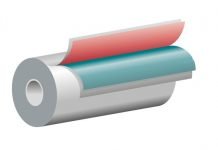
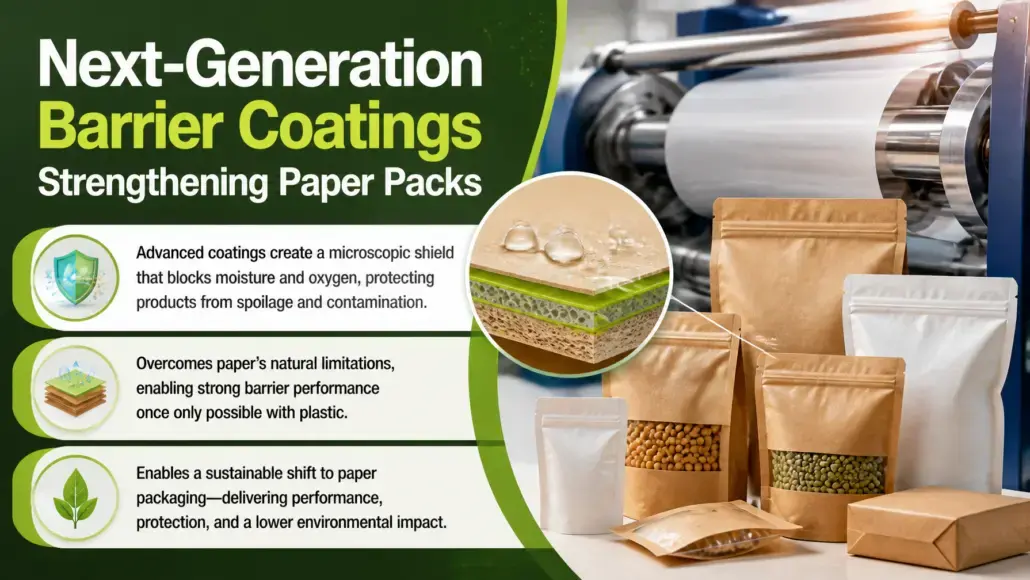
The transition from plastic to paper-based packaging hinges entirely on the performance of the microscopic layers that protect the product. For years, paper was limited by its inherent porosity and sensitivity to moisture, which restricted its use to dry goods and secondary containers. Packaging World Insights observes that the emergence of next-generation barrier coatings is fundamentally changing the capabilities of cellulose substrates.
These advanced coatings allow paper to achieve the oxygen and moisture barrier properties once reserved for multi-layer plastic laminates. In 2025, the market for barrier coatings for paper and board has seen rapid growth as brands seek to meet the recycling requirements of the circular economy.
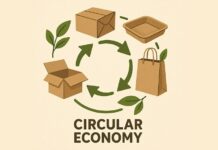
The development of robust, high-performance coatings is the foundational technology that enables paper to be used in reusable packaging systems for a circular economy, where packaging must withstand repeated cleaning and handling without losing its protective qualities. This shift marks the beginning of a truly circular approach to material management.
Innovations in Water Based Repulpable Solutions
Water-based barrier coatings represent the most significant area of innovation in 2025. Unlike traditional polyethylene coatings, which are difficult to separate during the recycling process, modern water-based solutions are designed to be fully repulpable. This means that when a coated paper pack enters a recycling mill, the coating breaks down easily along with the paper fibers, allowing for a high-quality recycled product. This development is critical for meeting the European Union’s updated packaging waste targets, which prioritize materials that can be easily reintegrated into the production cycle.
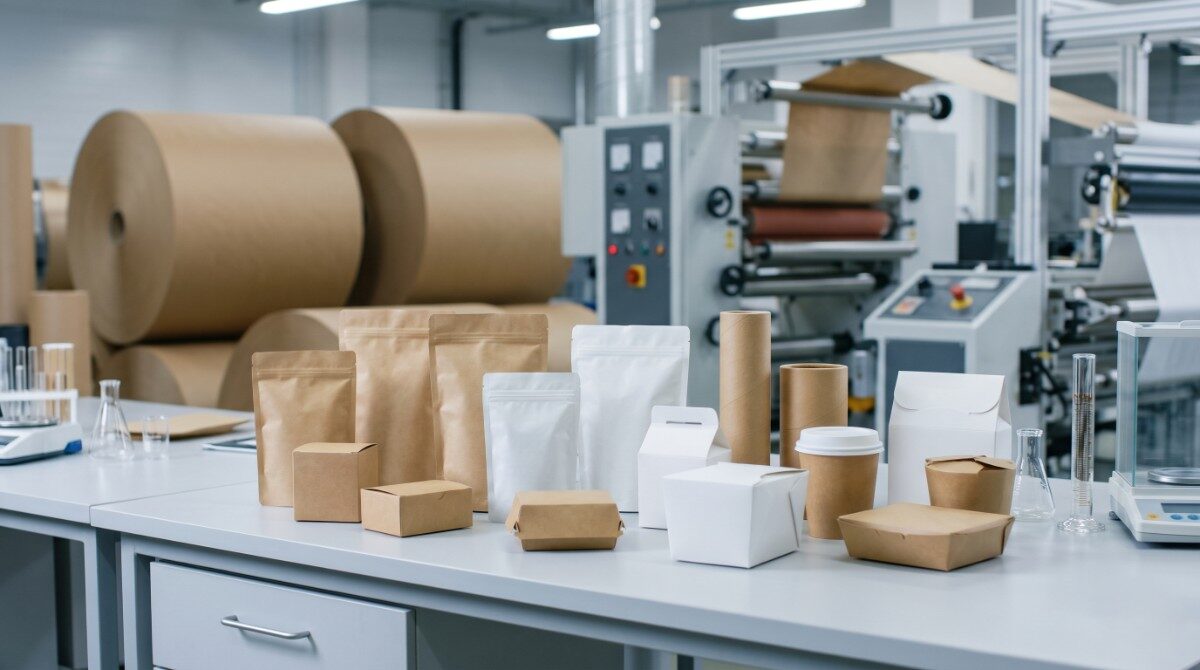
A major breakthrough occurred in June 2025 when PPG Industries introduced an advanced UV-curable barrier coating specifically for pharmaceutical applications. This coating provides enhanced moisture and oxygen barriers while maintaining a thin, flexible profile that does not interfere with the folding or sealing of the carton. The use of UV-curing technology allows for faster production speeds and lower energy consumption compared to traditional thermal drying methods. This innovation is particularly relevant for the pharmaceutical sector, where high-speed automated lines require consistent material performance.
Nanocellulose as a High Performance Gas Barrier
The rise of nanocellulose as a next-generation barrier coating material is another transformative trend shaping the industry in late 2025. By refining wood fibers down to the nano-scale, researchers can create a dense, crystalline layer that is nearly impermeable to gases and oils. When applied as a coating, nanocellulose provides an exceptional oxygen barrier that is entirely bio-based and biodegradable. This material is particularly impressive because it offers a transparency and smoothness that is rarely seen in traditional paper products. Nanocellulose provides various benefits:
- Scaling Production as Foil Alternative: Major paper manufacturers are ramping up production of nanocellulose-coated boards, positioning the material as a viable replacement for aluminum foil in high-end food and medical packaging formats.
- Environmental Impact: Substituting aluminum significantly cuts emissions and energy use associated with energy-intensive metal extraction and processing.
- Streamlined, Sustainable Supply Chain: Because nanocellulose originates from the same wood fiber as the base paper, it simplifies sourcing and improves the packaging’s overall circularity profile.
- Cost Reductions Driving Adoption: Enzyme-based refining breakthroughs are driving down production costs, paving the way for nanocellulose to scale from niche uses into mass-market packaging.
- Extended Shelf Life Without Plastics: The coating enables fully bio-based pouches and sachets to preserve content freshness for months without relying on fossil-based barrier plastics.
Regulatory Compliance and Regulatory Grade Coatings
In September 2025, Flint Group launched its DecaCode range of water-based barrier coatings. This series is specifically engineered to meet the latest regulatory developments for food and beverage packaging, providing resistance to water, grease, and mineral oils. The versatility of these coatings allows them to be used across a wide range of application methods, including flexographic and gravure printing.
The performance of these coatings is being further enhanced by the integration of mineral-based fillers that improve the physical properties of the barrier layer:
- Mineral-Based Fillers: Materials including kaolin clay, calcium carbonate, and recycled glass particulates are integrated into matrices to form complex, microscopic pathways for gas molecules.
- Enhanced Barrier Protection: This labyrinthine structure slows oxygen and moisture transmission, delivering barrier performance well beyond what the polymer could achieve on its own.
- Reduced Polymer Footprint: Blending high-performance polymers with natural minerals yields superior protective properties while noticeably cutting the overall volume of polymer required.
Economic Benefits and Corporate Supply Chain Impact
In early 2026, a major global consumer goods company reported that switching to mineral-enhanced paper coatings for their dry food range allowed them to remove over 500 tons of plastic from their supply chain annually. These mineral fillers also contribute to the opacity and printability of the package, ensuring that the final product looks as good as it performs. The use of minerals also helps to stabilize the coating during the application process, leading to a more uniform layer and fewer defects. This is particularly important for industrial applications where even a tiny pinhole in the barrier can lead to product spoilage. By leveraging the natural properties of minerals, coating manufacturers are creating solutions that are both more effective and more environmentally responsible. This trend toward mineral-polymer hybrids is expected to dominate the mid-market packaging segment throughout the next decade.
Another significant development is the creation of functional coatings that offer more than just a barrier. Some next generation coatings now include antimicrobial properties or oxygen scavengers that actively protect the contents of the pack. This is particularly valuable for fresh food and pharmaceutical products that are highly sensitive to spoilage or degradation. By incorporating these active agents into the coating layer, manufacturers can extend the shelf life of their products without the need for additional preservatives or protective atmosphere packaging.
E-commerce Logistics and Abrasion Resistance
H.B. Fuller announced a series of new water-based barrier coatings in July 2025, focusing on the needs of the fast-growing e-commerce sector. These coatings are designed to provide superior abrasion resistance, ensuring that paper-based mailers and boxes remain intact during the rigorous shipping process. The ability to maintain a barrier despite the mechanical stresses of transport is a key requirement for brands that are moving away from plastic bubble mailers and polybags. The company’s focus on recyclability ensures that these e-commerce solutions do not create a new waste problem at the end of their journey.
The economic benefits of these coatings are becoming increasingly apparent to manufacturers. While the cost of advanced coatings can be higher than traditional plastic films, the overall cost of the finished package is often lower when considering the ease of recycling and the reduction in plastic taxes. Furthermore, the use of water-based coatings allows for easier cleanup and lower VOC emissions in the printing facility, providing a safer working environment for employees.
Global Market Pressure and Material Safety
Regulatory pressure is also driving the adoption of these technologies. Governments around the world are tightening rules on “forever chemicals” like PFAS, which were once commonly used to provide grease resistance in paper packaging. Next-generation barrier coatings offer a safe and effective alternative that is free from these harmful substances. This shift is not just an environmental choice but a regulatory necessity for companies that want to continue selling in major global markets.
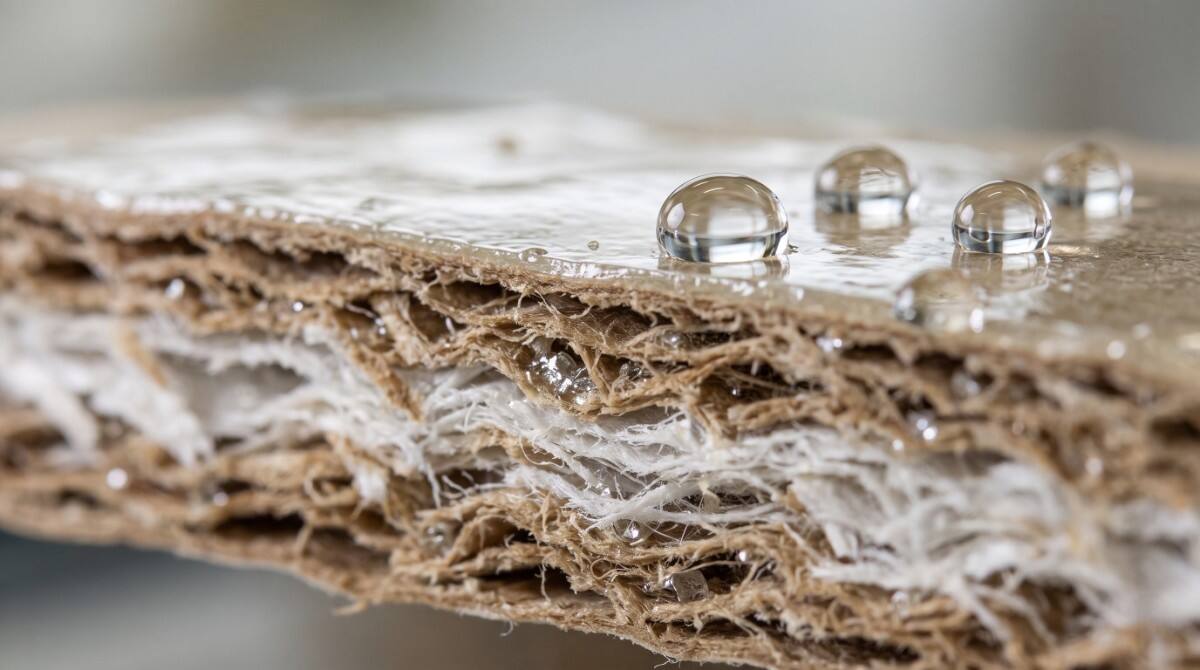
Strategic collaborations between chemical companies and paper mills are essential for the successful deployment of these coatings. In early 2026, a partnership between AkzoNobel and a leading Nordic paper producer resulted in a new range of high-barrier boards for frozen food packaging. This project demonstrated that paper could maintain its structural integrity and barrier properties even in high-moisture, sub-zero environments. The success of this collaboration is expected to pave the way for a wider range of paper-based solutions in the frozen and refrigerated segments of the market.
Looking ahead, Packaging World Insights believes the development of bio-based resins for next-generation barrier coatings will likely continue to accelerate. Researchers are investigating the use of agricultural byproducts such as wheat gluten and soy protein as the basis for new coating formulations. These materials offer the potential for even lower environmental impact while providing excellent performance. As the industry gains more experience with these bio-based solutions, the diversity and capability of next-generation barrier coating will only increase.
References
- “Barrier Coatings for Paper and Board Food Packaging” – Flint Group
- “Advanced UV-Curable Coatings for Pharmaceutical Packaging” – PPG Industries
- “Barrier Coatings for Paper-Based Food Packaging” – H.B. Fuller
- “Global Trends in Barrier Coating Technology 2025” – AkzoNobel
- “Sustainability and Material Science 2025” – Henkel

