

























The Role of Adhesive Quality in Case-Sealing Performance
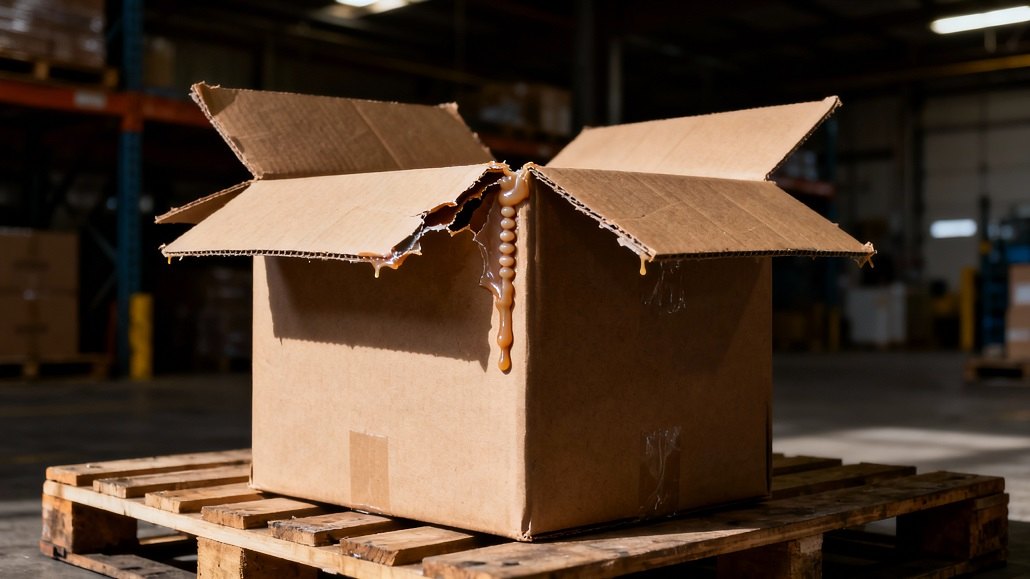
Packaging integrity stands as the final barrier protecting products during their journey from manufacturing facility to end consumer. A case seal that appears adequate when created may fail under conditions encountered during warehousing, transportation, or handling—failures that result in damaged products, dissatisfied customers, and financial losses extending far beyond the cost of adhesive itself. Understanding how adhesive quality case sealing performance relationships operate requires examining the complex interplay between material properties, application conditions, substrate characteristics, and environmental exposures that determine whether packaging succeeds or fails in protecting its contents.
Fundamental Properties Determining Adhesive Performance
Bond strength represents the most obvious adhesive characteristic affecting case-sealing performance, yet its measurement and interpretation prove more nuanced than simple force values suggest. Adhesive bonds must resist both tensile forces attempting to pull surfaces directly apart and shear forces trying to slide bonded surfaces relative to each other. Real-world loading combines these force types in varying proportions depending on how packaged products are handled, transported, and stored. Adhesives exhibiting excellent tensile strength may perform poorly under shear loading, or vice versa, making balanced performance across loading modes essential for reliable packaging.
Temperature dependence fundamentally shapes adhesive performance across anticipated service conditions. Thermoplastic adhesives soften as temperature rises, potentially compromising seal integrity during hot weather storage or transport. The listed softening point or melting temperature provides limited guidance for predicting real-world performance—an adhesive with a softening point of two hundred twenty degrees Fahrenheit may deliver acceptable heat resistance only to one hundred fifty or one hundred sixty degrees. Operations shipping products to hot climates or storing packaged goods in uncontrolled warehouses must select adhesives with proven performance under elevated temperature conditions that application environments impose.
Cold temperature performance presents different challenges that adhesives must overcome. Some formulations become brittle at low temperatures, creating bonds that appear strong under ambient conditions but crack when exposed to freezing or sub-freezing environments. Cold storage facilities, refrigerated transportation, and winter weather exposure all subject packaging to conditions where adhesive brittleness can cause seal failures. Advanced formulations maintaining flexibility and bond strength at temperatures as low as negative forty degrees Celsius enable reliable packaging across extreme temperature ranges.
Moisture resistance determines whether adhesive bonds maintain integrity when exposed to humidity or direct water contact. Packaging for products generating condensation, goods stored in humid environments, or items shipped during wet weather must withstand moisture exposure without seal degradation. Water-sensitive adhesives may appear to form adequate initial bonds but fail when moisture attacks the bond interface, causing delamination and package opening. Moisture-resistant formulations maintain adhesion strength under these challenging conditions.
Application Parameters Affecting Bond Formation
Hot tack performance describes adhesive behavior immediately after application while still molten—the period when bonded surfaces come together and compression pressure forms the initial seal. Adhesives with strong hot tack grab substrates quickly, forming bonds that allow packaged products to move immediately to subsequent handling steps without waiting for complete cure. Weak hot tack requires extended compression times or produces seals prone to failure during handling before full strength develops. This characteristic proves particularly critical in high-speed packaging operations where production rates demand rapid bond formation.
Open time defines the period during which applied adhesive remains capable of forming strong bonds—essentially the window between application and substrate contact during which wetting can still occur effectively. Insufficient open time causes adhesive to cool and solidify before surfaces join, producing weak bonds or complete adhesion failures. Excessive open time may allow adhesive to string or tail during application, creating messy seals or material waste. Matching adhesive open time to application equipment and line speed ensures consistent seal formation.
Set speed characterizes how quickly adhesive develops handling strength after bond formation. Rapid-setting formulations achieve adequate strength for moving packaged products within seconds of seal formation, supporting high-speed production and minimal in-process inventory. Slower-setting adhesives may require extended compression time or produce packages needing careful handling immediately after sealing to avoid disturbing bonds before adequate strength develops. One advanced pharmaceutical packaging formulation achieves full cure in just one hundred sixty milliseconds, enabling packaging speeds previously impossible.
Viscosity directly affects how adhesive flows during application and wets substrate surfaces during bond formation. Excessive viscosity prevents adequate flow, causing inconsistent bead patterns or insufficient wetting that produces weak bonds. Insufficient viscosity leads to excessive penetration into porous substrates or uncontrolled spreading that wastes material and creates messy seals. Temperature management maintaining proper viscosity proves essential for consistent adhesive quality case sealing performance—overheating reduces viscosity excessively while inadequate heating prevents proper flow.
Substrate Characteristics Influencing Seal Quality
Corrugated paperboard packaging materials exhibit substantial variation in properties affecting adhesive bonding. Virgin fiber content influences strength and dimensional stability. Recycled content percentages affect surface characteristics and consistency. Board grade selections balance cost against performance requirements. Adhesives must perform across this substrate variability, forming reliable bonds despite differences in material properties between suppliers, production runs, or even individual cartons.
Surface coatings applied to paperboard for moisture resistance, printing enhancement, or appearance improvement significantly impact adhesive bonding. Aqueous coatings create sealed surfaces that some adhesive formulations wet poorly, producing inadequate bonds. Polyethylene coatings present low surface energy that many adhesives cannot effectively grip without specialized formulations designed for bonding to these challenging substrates. Verifying adhesive compatibility with actual production substrates—including various coatings and surface treatments—prevents seal failures from material mismatches.
Substrate temperature at bonding time influences adhesive wetting behavior and bond formation. Cold substrates stored in unheated warehouses can rapidly cool molten adhesive, shortening open time and potentially preventing adequate wetting. Hot substrates from processes like printing or coating may remain warm enough to delay adhesive solidification, affecting set speed and potentially allowing bond disruption during handling. Maintaining substrate temperature within ranges appropriate for selected adhesive formulations ensures consistent bonding conditions.
Substrate moisture content affects some adhesive chemistries, particularly moisture-cure polyurethane systems that rely on reaction with water for final crosslinking. Excessively dry substrates may provide insufficient moisture for proper cure, while overly damp materials can cause excessive reaction rates or foam formation. Understanding these interactions guides both substrate conditioning and adhesive selection to ensure compatible material systems.
Environmental Factors Affecting Long-Term Performance
Distribution network stresses subject packaging to loading conditions that challenge adhesive bonds. Stacked pallets impose compressive loads that can force carton flaps open if adhesive bonds lack adequate strength. Vibration during transportation applies cyclic loading that can fatigue adhesive bonds, causing gradual degradation even when static load capacity proves adequate. Impact loads from handling equipment or rough transportation subject packaging to sudden stress peaks that weak adhesive bonds cannot withstand. Adhesive selection must account for these real-world loading scenarios.
Humidity exposure during warehousing and transportation affects packaging performance through moisture-sensitive mechanisms. Some adhesives absorb water, softening bonds and reducing strength. Substrate materials swell when exposed to humidity, creating dimensional changes that stress adhesive bonds. Condensation forming on cold packages brought into warm, humid environments can directly attack moisture-sensitive adhesive bonds. These effects demand adhesive formulations proven under relevant humidity conditions.
Extended storage durations test whether initial bond strength persists over time or gradually degrades. Some adhesive chemistries continue curing after initial bond formation, actually strengthening over time. Others may exhibit creep under sustained loading, gradually deforming and losing strength. Oxidation, thermal aging, or humidity exposure during storage can degrade certain formulations. Accelerated aging tests simulate extended storage, helping predict long-term performance from short-duration evaluations.
Thermal cycling—repeated exposure to temperature fluctuations between hot and cold conditions—stresses adhesive bonds through differential thermal expansion of substrates and adhesives. Packages shipped by truck may experience daily cycles from cold overnight temperatures to hot daytime conditions. Warehouses without climate control expose packaging to seasonal temperature variations. Adhesives must accommodate these expansions and contractions without bond failure, requiring flexibility that prevents stress concentration at bond interfaces.
Quality Control and Consistency Management
Raw material quality determines baseline adhesive performance characteristics that application conditions then modify. Variations in polymer molecular weight distributions, resin characteristics, wax properties, or additive concentrations all affect adhesive behavior. Reputable adhesive suppliers maintain tight specifications and rigorous quality control ensuring consistency between production lots. Operations experiencing unexplained seal performance variations should investigate whether adhesive lot-to-lot variability contributes to the problem.
Storage conditions affect adhesive properties before application. Prolonged storage at elevated temperatures can cause adhesive degradation similar to overheating during melting. Exposure to moisture may affect hygroscopic adhesive chemistries. Contamination during storage from dust, packaging debris, or foreign materials creates defects when contaminated adhesive flows through dispensing equipment. Proper storage in sealed containers under controlled conditions preserves adhesive quality until use.
Equipment condition directly influences whether adhesive reaches application points with properties intact. Char formation in melting equipment contaminates adhesive, reducing bond strength and creating defects. Temperature variations from inadequate heating or hot spots degrade adhesive or create viscosity inconsistencies. Worn pumps or applicators produce uneven flow rates or inconsistent bead patterns. Regular equipment maintenance preserves the adhesive quality case sealing performance that properly functioning systems deliver.
Application parameter monitoring provides early warning of conditions that may compromise seal quality. Temperature tracking throughout the adhesive flow path identifies overheating or inadequate heating before problems cause seal failures. Flow rate monitoring confirms proper adhesive delivery and detects pump wear or blockage formation. Pattern inspection using vision or thermal imaging systems catches application defects immediately rather than discovering problems only when packaging fails downstream. These monitoring capabilities enable proactive correction before defective packaging accumulates.
Testing Protocols Validating Seal Performance
Seal strength testing quantifies adhesive bond capability under controlled conditions. Tensile tests pull bonded surfaces directly apart, measuring maximum force before failure and identifying whether failure occurs within the adhesive, at the adhesive-substrate interface, or through substrate tearing. Shear tests slide bonded surfaces relative to each other, characterizing resistance to the loading mode common in real-world handling. Peel tests separate bonded surfaces progressively along bond lines, revealing resistance to the failure mode that packaged products often experience during opening.
Accelerated aging protocols expose sealed packages to conditions simulating extended service while compressing test duration into practical timeframes. Elevated temperature exposure accelerates chemical reactions and physical processes that occur more slowly under ambient conditions. Humidity chambers simulate moisture exposure effects. Thermal cycling between temperature extremes stresses bonds through repeated expansion and contraction. These accelerated tests predict long-term performance more rapidly than real-time aging allows.
Environmental exposure testing validates seal performance under conditions matching intended service. Cold storage tests confirm adequate low-temperature performance. Hot box testing verifies high-temperature seal retention. Humidity exposure ensures moisture resistance. Actual transportation testing subjects packages to vibration, shock, and handling representative of distribution network conditions. These reality-based tests provide confidence that packaging will perform as required in actual service.
Statistical process control methods applied to seal testing data identify performance trends indicating developing problems. Gradual reductions in average seal strength may indicate adhesive degradation, equipment wear, or substrate variations. Increasing variability in test results suggests process inconsistency requiring investigation. Control chart analysis separates normal process variation from statistically significant changes demanding corrective action. This analytical approach enables proactive quality management rather than reactive problem response.
Integration of Adhesive Selection with Packaging Design
Packaging design decisions fundamentally affect adhesive performance requirements. Carton flap geometry determines compression area where adhesive forms bonds—larger overlap areas distribute stress over greater bonding surface, reducing demand on adhesive strength. Folding sequences affect how readily flaps align and maintain position during seal formation. Structural design features like locking tabs may supplement adhesive bonding, reducing load carried by adhesive alone and improving overall package integrity.
Material specifications should account for adhesive bonding requirements. Substrates must accept adhesive wetting effectively while providing adequate surface strength for bond formation. Coatings, when necessary for moisture barrier or printing performance, should employ chemistries compatible with selected adhesives. Thickness and stiffness characteristics should prevent package deformation that stresses adhesive bonds excessively. This integrated approach to material and adhesive selection ensures compatible system performance.
Equipment capabilities constrain practical adhesive options. Application temperature ranges limit usable adhesive formulations to those functioning within equipment thermal capacity. Dispensing system throughput must match adhesive flow characteristics for proper bead formation. Compression mechanisms must provide adequate force and duration for selected adhesive to form strong initial bonds. Matching adhesive properties to equipment capabilities ensures reliable production without requiring equipment modifications.
Cost optimization considers adhesive price in context of overall packaging system economics rather than isolation. Lower-cost adhesives requiring higher application amounts may prove more expensive per package than premium formulations used efficiently. Adhesives enabling faster line speeds increase throughput value that offsets material cost. Formulations reducing equipment maintenance decrease total cost of ownership despite potentially higher unit prices. This comprehensive cost analysis guides adhesive selection toward genuinely economical solutions rather than simply lowest-price options.
The packaging industry’s continuing evolution toward higher speeds, greater automation, and enhanced sustainability demands adhesive technologies meeting increasingly stringent performance requirements. Understanding how adhesive quality case sealing performance relationships function across this complex interaction space enables packaging operations to select appropriate materials, optimize application conditions, and validate seal adequacy—ensuring that products receive protection throughout their distribution journey while maintaining economic viability in competitive markets.