























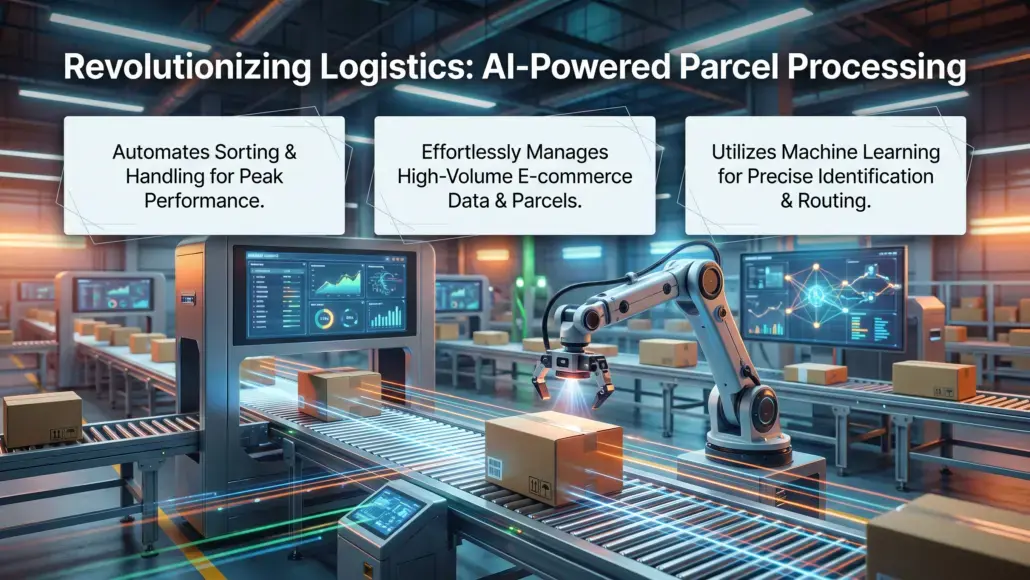

The integration of artificial intelligence into the sorting and handling of goods has initiated a new era of operational performance within the logistics sector. Modern facilities are increasingly turning to AI-driven parcel processing to manage the massive influx of data and physical items that define the current e-commerce environment. By utilizing sophisticated machine learning models, packaging centers can now automate the identification, categorization, and routing of packages with a degree of speed and accuracy that manual systems cannot match. This technological shift is not merely about replacing human labor, but rather about enhancing the entire structural logic of the packaging workflow. The ability of AI to analyze vast quantities of real time data allows for the prediction of bottlenecks before they occur, enabling managers to adjust resource allocation dynamically. This proactive approach to facility management is essential for maintaining the high throughput levels required by today’s fast paced delivery networks. As algorithms become more refined, the potential for AI-driven parcel processing to eliminate inefficiencies across the entire distribution chain continues to grow, providing a solid foundation for future industry expansion.
Neural Networks Enhancing Image Recognition for Label Analysis
One of the most significant contributions of AI-driven parcel processing is the development of advanced image recognition systems capable of reading and interpreting complex shipping labels in milliseconds. These systems utilize deep learning neural networks that have been trained on millions of examples of handwriting, damaged labels, and varying font styles. In a high volume packaging environment, the ability to accurately capture destination data despite physical imperfections on the package surface is critical for maintaining workflow momentum. When a parcel enters the sorting system, high resolution cameras capture multiple angles, and the AI software extracts the necessary information to determine the optimal routing path. This process occurs almost instantaneously, allowing the sorting machinery to direct the package to the correct chute without slowing down the conveyor line. The reduction in misreads and manual overrides significantly lowers the operational costs associated with parcel handling, as fewer items require human intervention to correct routing errors.
The precision of these neural networks extends beyond simple text recognition, as they can also identify package dimensions, weight, and material composition. This information is vital for optimizing the placement of parcels on delivery vehicles and for ensuring that fragile items are handled with the appropriate care. By integrating this data into the broader packaging workflow, facilities can improve the utilization of their transport assets, reducing the empty space in trucks and lowering overall shipping costs. The intelligence of the system also allows for the identification of potential safety hazards, such as leaking containers or improperly sealed boxes, before they can cause damage to other parcels or sorting equipment. This comprehensive approach to parcel analysis demonstrates how AI-driven parcel processing serves as both an efficiency tool and a quality control mechanism within the modern distribution center. As these systems continue to evolve, their ability to handle increasingly diverse packaging formats will be a key factor in the long term success of logistics providers.
Predictive Load Balancing in Modern Packaging Facilities
Effective load balancing is essential for maintaining a smooth packaging workflow, and AI-driven parcel processing provides the analytical tools necessary to achieve this at scale. By analyzing historical data and current arrival rates, AI models can forecast the volume of parcels expected at different times of the day, allowing facilities to prepare for surges in demand. This predictive capability enables the system to redistribute sorting tasks across multiple lines, ensuring that no single part of the facility becomes overwhelmed. During peak periods, such as the holiday shopping season, this dynamic allocation of resources is the difference between meeting delivery deadlines and experiencing significant delays. The AI system can also coordinate the timing of incoming shipments from various suppliers, smoothing out the flow of goods and preventing the congestion that often occurs at unloading docks.
The application of predictive analytics also extends to the maintenance of sorting machinery. By monitoring the performance metrics of motors, belts, and sensors, AI-driven parcel processing can identify the early signs of mechanical wear that might lead to an unexpected failure. This allows maintenance teams to perform repairs during scheduled downtime, avoiding the costly interruptions that occur when a primary sorting line breaks down during active hours. The intelligence of the system ensures that spare parts are ordered in advance, further reducing the time required for repairs. This shift from reactive to predictive maintenance is a significant advancement in packaging technology, as it improves the overall reliability and lifespan of the facility’s infrastructure. The resulting stability in the packaging workflow allows for more accurate forecasting of delivery times, enhancing the reliability of the service provided to end customers.
Real Time Optimization of Conveyor Throughput Speeds
The speed of a conveyor system is a critical variable in the overall efficiency of a packaging center, and AI-driven parcel processing allows for the constant optimization of these speeds based on current workload. Rather than operating at a fixed rate, AI controlled conveyors can speed up or slow down in response to the density of parcels on the line. This prevents the “bunching” of packages that can lead to jams at sorting gates and ensures that every item is spaced appropriately for accurate scanning and diversion. The ability to adjust throughput speeds in real time also has significant energy saving benefits, as the system can reduce power consumption during periods of low volume. This responsive behavior is a hallmark of the intelligent distribution center, where every component of the machinery is integrated into a single, cohesive intelligence network.
In addition to managing physical speed, the AI system also optimizes the logic of the diversion process. By calculating the most efficient sequence for discharging parcels into their respective lanes, the system can minimize the mechanical stress on the sorting gates, extending their operational life. The coordination between different conveyor segments is managed through high speed communication protocols, ensuring that the transition of parcels between lines is fluid and error free. This level of synchronization is particularly important in multi level facilities where parcels must move through complex vertical and horizontal paths. The integration of AI-driven parcel processing into these environments ensures that the spatial complexity of the facility does not become a barrier to efficiency, as the software can manage thousands of simultaneous routing decisions without hesitation.
Mitigating Error Rates in Complex Multi SKU Environments
The modern packaging environment is characterized by an extreme diversity of product types, or SKUs, which can create significant challenges for traditional sorting systems. AI-driven parcel processing addresses this complexity by using machine learning to adapt to new package types and sizes automatically. The system can learn to recognize the characteristics of new packaging materials, such as polybags or recycled cardboard, and adjust the handling protocols accordingly. This flexibility is essential for companies that work with a wide range of retail partners, each with their own unique packaging standards. By reducing the reliance on fixed templates for parcel identification, AI systems can maintain high levels of accuracy even as the mix of products passing through the facility changes on a daily basis.
The mitigation of errors is also supported by the AI’s ability to cross reference parcel data with order information in real time. If a package is found to have an incorrect weight or dimension for the item it is supposed to contain, the system can flag it for manual inspection before it leaves the facility. This automated auditing process ensures that shipping errors are caught at the source, reducing the number of returns and improving the overall quality of the fulfillment process. The data generated during these checks is used to identify recurring issues with specific suppliers or packaging formats, allowing managers to address the root causes of inefficiency. This closed loop system of analysis and improvement is a core component of AI-driven parcel processing, driving continuous gains in productivity and customer satisfaction. As the complexity of global supply chains continues to increase, the role of AI in managing this diversity will become even more critical for the success of packaging operations.
Future Architectures for Intelligence Led Packaging Operations
The long term vision for the industry involves the creation of fully autonomous, intelligence led packaging environments where every aspect of the operation is governed by AI-driven parcel processing. In these future facilities, the distinction between sorting, packing, and shipping will become increasingly blurred as the system manages the entire lifecycle of the parcel within the hub. We can expect to see deeper integration between AI software and robotic hardware, leading to systems that can not only route parcels but also repackage them or perform minor repairs on damaged containers. The growing integration of robotics into parcel handling is further strengthening the ability of packaging centres to improve throughput and operational productivity. The use of edge computing will allow for even faster processing of sensor data, enabling the system to react to environmental changes in microseconds. This evolution will be supported by the rollout of high speed 5G networks, providing the connectivity required for thousands of intelligent devices to communicate simultaneously.
The development of AI-driven parcel processing will also have a profound impact on the design of future logistics networks. Facilities may become smaller and more specialized, located closer to urban centers to facilitate rapid last mile delivery. These “micro hubs” will rely heavily on AI to manage high volumes of parcels in constrained spaces, utilizing vertical storage and automated retrieval systems to maximize efficiency. The ability to share intelligence across different hubs will create a truly global packaging network that can reroute parcels in real time in response to international events or weather disruptions. This resilience is the ultimate goal of the digital transformation of the packaging sector, ensuring that the flow of goods remains stable in an increasingly unpredictable world. The investment in AI-driven parcel processing today is the first step toward this more agile and intelligent future, providing the technological foundation for the next century of logistics innovation.