

























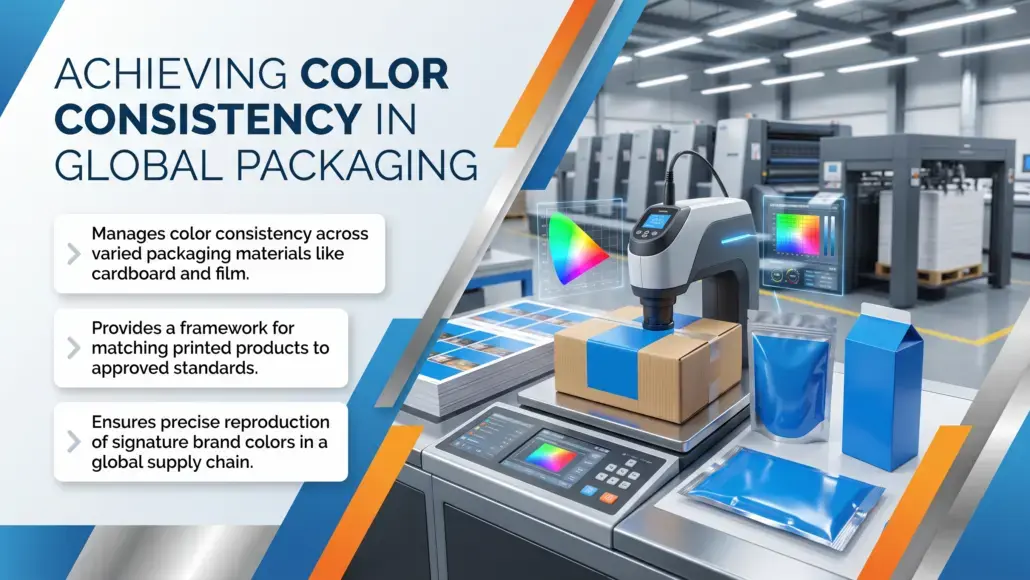

Maintaining the visual identity of a brand requires a relentless focus on the consistency of its signature colors across a diverse and global supply chain. For packaging converters, the challenge lies in reproducing these specific spot colors on a wide variety of substrates, from brown corrugated board to high-gloss plastic films. The implementation of spot color control serves as the essential framework for ensuring that the final printed product matches the brand’s approved standard with surgical precision. This process involves the digital characterization of colors, the formulation of precise ink recipes, and the continuous monitoring of production runs using advanced spectrophotometry. As brand owners increasingly demand shorter lead times and smaller batch sizes, the ability to achieve color targets quickly and maintain them throughout the run becomes a critical operational requirement. By mastering the technical details of color science and process control, converters can provide the reliability that global brands need to maintain their market presence.
Technical management of spot colors begins with the creation of a digital master that serves as the “single source of truth” for the entire production cycle. This digital definition, often based on spectral data rather than simple Lab values, allows for more accurate communication between designers, ink suppliers, and press operators. The use of spot color control systems at the ink kitchen ensures that every batch of ink is mixed to the exact specifications required for the target substrate. This level of precision is vital for preventing the color shifts that can occur due to variations in pigment strength or base chemistry. Additionally, the integration of these systems with the prepress workflow allows for the creation of more accurate proofs, reducing the need for costly and time-consuming press-side adjustments.
The physical behavior of the ink on the press is influenced by a multitude of factors, including temperature, humidity, and press speed. Maintaining spot color control in this dynamic environment requires a reliable feedback loop that utilizes real-time data from the shop floor. By measuring the color of the printed web at regular intervals, press operators can identify and correct for minor deviations before they become unsalable defects. The use of Delta E (ΔE) as a metric for color difference provides a clear and objective standard for quality, allowing for more productive conversations between the converter and the brand owner. As the packaging industry moves toward more sustainable and recycled materials, the ability to manage color on these challenging surfaces will be a key differentiator for high-performance conversion facilities.
Spectral Data and Digital Color Communication
The shift from physical color swatches to digital spectral data has revolutionized how brand colors are managed in the packaging sector. Spectral data provides a complete “fingerprint” of the color, describing how it reflects light across the entire visible spectrum. The implementation of spot color control based on these digital masters eliminates the subjectivity and degradation associated with physical samples. This digital workflow allows brand owners to share their color standards with multiple converters around the world, ensuring a consistent look for their products regardless of where they are manufactured. By using a common digital language, all parties in the supply chain can work toward the same goal with total clarity and confidence.
In the prepress department, these digital standards are used to calibrate proofing systems and create color-accurate mockups. This ensures that the brand owner sees an accurate representation of the final product long before it reaches the press. Through the application of spot color control, converters can also identify potential issues early in the process, such as colors that may be impossible to achieve on a specific substrate. This allows for proactive discussions with the brand owner and the adjustment of expectations or specifications, preventing the frustration and delays that occur when color targets are missed. The ability to manage these technical details with precision is what builds trust and long-term partnerships in the high-stakes world of packaging.
The role of the ink supplier is also integrated into this digital ecosystem. By providing spectral data for their pigments and bases, they enable converters to create more accurate ink recipes using color formulation software. This software uses sophisticated algorithms to calculate the optimal blend of components to achieve the target color on a specific material. When spot color control is applied at the point of formulation, the number of corrections required at the press is significantly reduced. This not only saves time and material but also ensures a more stable and predictable production process. The result is a more efficient and profitable operation that can handle the complexity of modern brand requirements with ease.
Ink Formulation and Substrate Compatibility
Achieving a perfect color match is as much about the substrate as it is about the ink. The color, texture, and absorption characteristics of the material all influence the final appearance of the spot color. A reliable spot color control strategy accounts for these variables by creating specific profiles for every ink and substrate combination. For example, a color printed on a recycled board will require a different ink formulation than the same color printed on a bleached white paper. By testing and validating these formulations in a controlled environment, converters can ensure that they are prepared for the unique challenges of every job. This level of technical preparation is essential for maintaining the high standards of global brands across their entire product line.
Advanced ink formulation systems also allow for the management of ink opacity and transparency, which are critical for achieving the right look on metallic or transparent substrates. Through the use of special-effect layer control, converters can also manage the interaction between the spot colors and various coatings or foils. The implementation of spot color control ensures that these complex multi-layer designs maintain their color integrity and visual impact. By understanding the chemical and physical relationships between all the materials in the package, converters can deliver a finished product that is both beautiful and functional. This technical expertise is a core component of the value proposition for leading packaging providers.
Additionally, the environmental impact of the ink system is an increasingly important consideration. Many brand owners are seeking to move away from solvent-based inks toward water-based or UV-curable alternatives. These new ink systems have different color characteristics and require different formulation and control techniques. By investing in the tools and training to master these new technologies, converters can support the sustainability goals of their clients while maintaining the highest levels of color quality. The ability to demonstrate precise spot color control with sustainable materials is a powerful competitive advantage in a market where environmental responsibility is a primary concern for consumers and brands alike.
Real-Time Monitoring and Process Stability
The ultimate test of a color management system is its performance during a high-speed production run. Maintaining color stability over thousands of meters of substrate requires a disciplined approach to process control. The implementation of spot color control systems on the press allows for the continuous monitoring of color density and Delta E values. These systems use automated cameras and sensors to measure the color of every impression, providing immediate feedback to the operator. If the color begins to drift, the system can alert the operator or even make automatic adjustments to the ink delivery, ensuring that the entire run remains within the specified tolerances.
This level of real-time control is particularly important for jobs that feature large areas of flat color, where even a slight variation is highly visible to the consumer. By stabilizing the color throughout the run, converters can reduce the amount of waste generated and improve the overall efficiency of the press. The data collected during the production run also provides a valuable record of quality that can be shared with the brand owner. This transparency builds confidence and demonstrates the converter’s commitment to excellence. Through the application of spot color control, the pressroom becomes a more predictable and disciplined environment, capable of delivering superior results on even the most demanding projects.
The integration of these systems with other production tools further enhances the efficiency of the operation. For example, print planning optimization improving packaging press utilization ensures that jobs with similar color requirements are grouped together, reducing the time and waste associated with ink changes. By aligning the planning, formulation, and production stages through a unified color management framework, converters can achieve a level of operational excellence that was previously unattainable. This holistic approach to color management is what defines a modern, high-performance packaging facility that is ready to meet the challenges of the future.
Long-Term Consistency and Brand Integrity
The true value of a color management system is measured over the long term, through its ability to deliver consistent results across different production batches and facilities. A brand owner needs to know that their products will look the same today as they did six months ago, and the same in Europe as they do in Asia. The implementation of spot color control provides the technical foundation for this global consistency. By using standardized digital masters and rigorous process control, converters can ensure that the brand’s visual identity is preserved throughout its entire lifecycle. This commitment to brand integrity is what builds long-term value and loyalty in a competitive market.
As the packaging industry continues to evolve, the tools and techniques of color management will become even more sophisticated. The integration of artificial intelligence and machine learning will allow for even more precise prediction and control of color variations. For example, an AI system could analyze historical production data to identify the subtle factors that influence color stability on a specific press or with a particular ink set. These insights will further refine the capabilities of spot color control, pushing the boundaries of what is possible in brand color reproduction. The goal is a completely automated and self-optimizing system that delivers perfect color every time, regardless of the complexity of the job or the location of the press.
Finally, the mastery of spot color control is a fundamental requirement for any packaging converter seeking to succeed in the global market. By bridging the gap between digital design and physical production, these tools provide a level of security and efficiency that is essential for maintaining brand identity. The benefits of this process extend across the entire production cycle, from the initial design phase to the final delivery of the finished package. As brands continue to demand higher levels of quality and consistency, the importance of precise color management will only continue to grow. Those who embrace these tools and integrate them into their core workflows will be well-positioned to lead the industry into the future, providing their clients with the highest levels of quality and service.
The strategic importance of color cannot be overstated. It is the primary visual cue for the consumer and the most recognizable element of a brand’s identity. A converter that can guarantee the accuracy and consistency of these colors becomes an invaluable partner to the brand owner. This partnership is based on a shared understanding of the technical and emotional power of color, and a commitment to protecting it at every step of the production process. The journey toward color perfection is ongoing, and the tools of spot color control are the key to achieving it. By investing in the technology and the talent required to master these processes, converters can build a brighter and more colorful future for the packaging industry.