














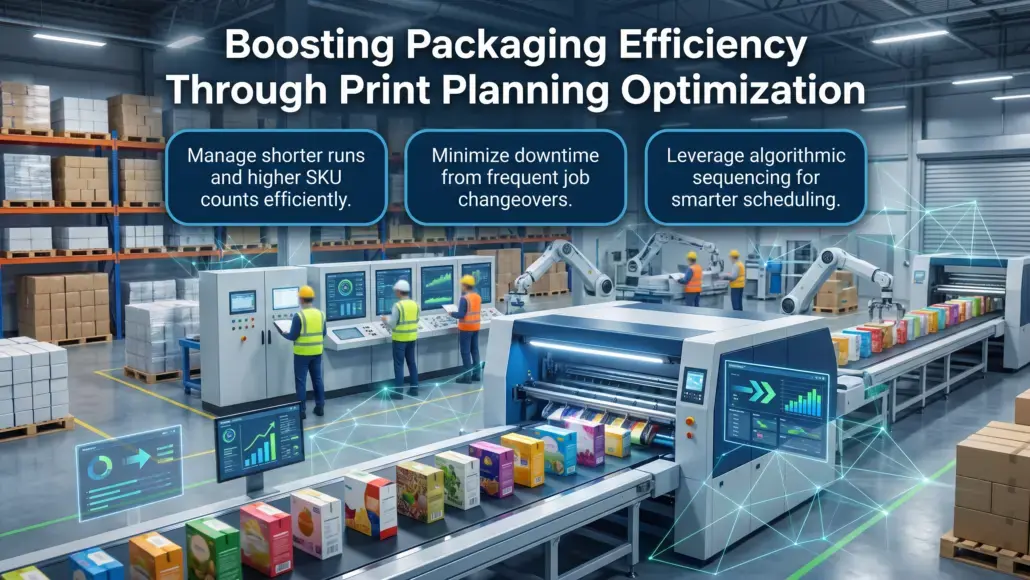

Operational efficiency in the modern packaging environment relies heavily on the systematic alignment of prepress data with physical production capacity. Converters are increasingly pressured to manage shorter run lengths and higher SKU counts without compromising on throughput or margin. The implementation of print planning optimization serves as the primary mechanism for mitigating the inherent inefficiencies of frequent job changeovers. By leveraging algorithmic sequencing, facilities can group jobs based on shared attributes such as substrate type, ink sets, and dieline configurations. This strategic clustering minimizes the wash-up times and mechanical adjustments typically associated with disparate job transitions. When presses are allowed to maintain continuity in their run cycles, the overall equipment effectiveness (OEE) improves significantly, allowing for a more predictable production cadence across multiple shifts.
The transition from manual scheduling to automated systems represents a fundamental shift in how packaging facilities view their machine time. Traditional methods often rely on the localized knowledge of production managers, which, while valuable, lacks the scalability required for complex modern workflows. Integrated print planning optimization software analyzes the entire production queue to identify the most logical sequence of events. For example, sequencing jobs from light to dark ink coverage or maintaining consistent web widths can reduce the physical labor required between runs. These small, incremental savings in setup time accumulate into substantial gains in available press hours. As converters seek to maximize their capital investments, the ability to squeeze additional capacity out of existing hardware becomes a competitive necessity in a crowded market. Technical integration between the MIS/ERP systems and the shop floor is critical for achieving true synchronization. Data flow must be bidirectional, ensuring that the planning stage is informed by real-time press status and material availability. When print planning optimization is effectively applied, the gap between theoretical capacity and actual output narrows. This reduction in the “planning gap” allows sales teams to provide more accurate lead times to brand owners, fostering stronger supply chain relationships. Additionally, the reduction in waste during the make-ready process contributes to the sustainability goals that have become central to the packaging industry. Less material is sacrificed to achieve color balance and registration when the transition between jobs is logically planned.
Strategic Sequencing for Maximized Throughput
Effective production schedules in the packaging sector are no longer static documents but dynamic frameworks that respond to real-time variables. The core of maximizing throughput lies in the ability to anticipate the physical requirements of the press before the job even reaches the floor. By analyzing the ink requirements and substrate specifications of the entire backlog, planners can create “families” of jobs. This method of print planning optimization ensures that the press spends more time in motion and less time in a state of adjustment. For instance, in flexographic environments, maintaining the same anilox rollers across multiple jobs can save thirty to forty-five minutes per changeover. When multiplied across a three-shift operation, these savings represent the difference between meeting a deadline and falling behind. The complexity of modern packaging designs, which often include multi-layered laminations and sophisticated finishing requirements, demands a more granular approach to scheduling. Planners must account for the downstream effects of the press run, ensuring that the conversion and finishing departments are not bottlenecked by erratic press output. Through print planning optimization, the production flow becomes a balanced stream where each department receives material at a rate that matches its specific processing speed. This holistic view of the plant prevents the accumulation of work-in-progress (WIP) inventory, which often occupies valuable floor space and increases the risk of product damage.
A streamlined flow also reduces the mental fatigue of operators, who can focus on quality control rather than constant firefighting. Resource allocation extends beyond just the machines and includes the human element of the production cycle. Optimal planning ensures that highly skilled operators are assigned to the most complex jobs while routine runs are handled by junior staff, all while maintaining a balanced workload. This human-centric approach to print planning optimization reduces burnout and errors, both of which are common side effects of poorly managed production schedules. When the workforce understands the logic behind the schedule, there is a greater sense of accountability and pride in achieving production targets. The transparency provided by automated planning tools allows for better communication between the office and the plant floor, aligning everyone toward the goal of maximum utilization.
Technological Integration and Data Fidelity
The success of any optimization effort is predicated on the quality of the data entering the system. In the packaging industry, this means having precise measurements of every variable, from the speed of the press on specific substrates to the exact drying time required for specialized coatings. High-fidelity data allows print planning optimization algorithms to create schedules that are not just theoretically sound but practically achievable. If a schedule is built on overly optimistic assumptions, it will inevitably collapse, leading to a cascade of delays and missed shipments. Therefore, the implementation of these tools must be accompanied by a rigorous process of data validation and continuous monitoring of actual performance against the plan. Advanced analytics play a role in identifying patterns that might be invisible to the human eye.
For example, a converter might find that certain presses perform better with specific ink types or that humidity levels in the plant affect the drying time of water-based coatings. By feeding these variables back into the print planning optimization engine, the system becomes more intelligent over time, adjusting schedules to account for environmental and mechanical nuances. This level of predictive planning moves the organization from a reactive stance to a proactive one, where potential bottlenecks are identified and mitigated days before they occur. The result is a more resilient operation that can handle the volatility of the modern packaging supply chain. Maintaining thermal plate screening improving flexographic packaging print quality is a vital component of the broader quality control ecosystem that planners must consider. When the prepress department and the planning department are in sync, the physical plates are ready exactly when the press is available. This prevents the press from sitting idle while waiting for plates, a common cause of utilization loss in high-volume facilities. The synchronization of prepress assets with press schedules is a hallmark of a mature packaging operation. It ensures that every component of the job, inks, substrates, plates, and dielines, converges at the press at the optimal moment for production.
Mitigating Changeover Inefficiencies
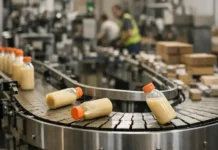
Changeover time is the single greatest thief of press utilization in the packaging industry. Every minute the press is stopped for cleaning, plate mounting, or ink adjustment is a minute of lost revenue. Print planning optimization focuses heavily on reducing these “non-productive” intervals by organizing the workload to minimize the delta between jobs. The goal is to move from “hard” changeovers, which require complete system resets, to “soft” changeovers, where only minor adjustments are needed. This transition is achieved through a combination of standardized setup procedures and intelligent scheduling. By treating the changeover as a precision event similar to a pit stop in motor racing, converters can drastically reduce the time required to get back to production speed. Standardization of materials also plays a significant role in this process. When a converter can limit the number of different substrates and ink bases used across their customer base, the planning process becomes much simpler. While brand owners often demand unique specifications, a clever planner can find commonalities that allow for job batching.
Utilizing print planning optimization to highlight these opportunities enables the business to negotiate with customers from a position of data-driven insight. They can offer better pricing for jobs that fit into specific production windows, creating a win-win scenario for both the converter and the brand owner. This level of strategic alignment is only possible when the business has full visibility into its production capabilities. Beyond the physical setup, the psychological aspect of changeovers cannot be ignored. Operators who are constantly faced with chaotic and poorly planned schedules are more likely to make errors or work at a slower pace. Conversely, a well-organized schedule that flows logically provides a clear roadmap for the day, allowing the crew to prepare for the next job while the current one is still running. This “stage-ahead” mentality is a direct result of effective print planning optimization. It transforms the shop floor from a reactive environment into a disciplined production engine. The cumulative effect of these improvements is a significant increase in total output without the need for additional capital expenditure on new machinery.
Long Term Viability and Capacity Planning
As the packaging industry continues to evolve, the ability to rapidly adapt to changing market conditions will define the winners. Print planning optimization is not just a tool for today’s production; it is a strategic asset for long-term capacity planning. By analyzing historical utilization data, converters can make informed decisions about when to invest in new equipment or when to outsource certain processes. This data-driven approach to business growth ensures that capital is deployed where it will have the greatest impact on the bottom line. It also allows for better management of labor costs, as the business can predict when overtime will be necessary and when the workload can be handled by the standard shift structure. The integration of artificial intelligence into these planning tools is the next frontier for the packaging sector. AI can analyze vast amounts of data to find efficiencies that were previously hidden, such as the impact of operator experience on setup times or the correlation between machine maintenance cycles and quality defects. When combined with traditional print planning optimization techniques, these advanced technologies provide a level of precision that was once unimaginable. Converters who embrace these tools will be better positioned to handle the increasing complexity of packaging designs and the tightening requirements of global brands. The future of packaging production is one of total visibility and absolute control over every second of machine time. Investment in these systems also supports the professional development of the production team. By removing the drudgery of manual scheduling and constant firefighting, managers can focus on higher-level strategic initiatives. They can spend more time on process improvement, quality assurance, and team building, all of which contribute to a healthier and more profitable organization. The adoption of print planning optimization is a clear signal to both employees and customers that the business is committed to excellence and innovation. In a market where margins are constantly under pressure, the ability to operate at peak efficiency is the ultimate competitive advantage.
The journey toward optimized utilization is ongoing, but the rewards for those who stay the course are substantial. Final considerations for any implementation include the need for cultural buy-in from the top down. Technology alone cannot fix a broken process; it must be supported by a culture of continuous improvement and a willingness to challenge the status quo. When every member of the organization understands the value of print planning optimization, the barriers to implementation fall away. The resulting increase in press utilization provides the financial foundation for future growth, allowing the business to invest in the people and technology that will drive the next generation of packaging innovation. The path forward is clear for those who are willing to embrace the data and discipline required to master their production environment.