















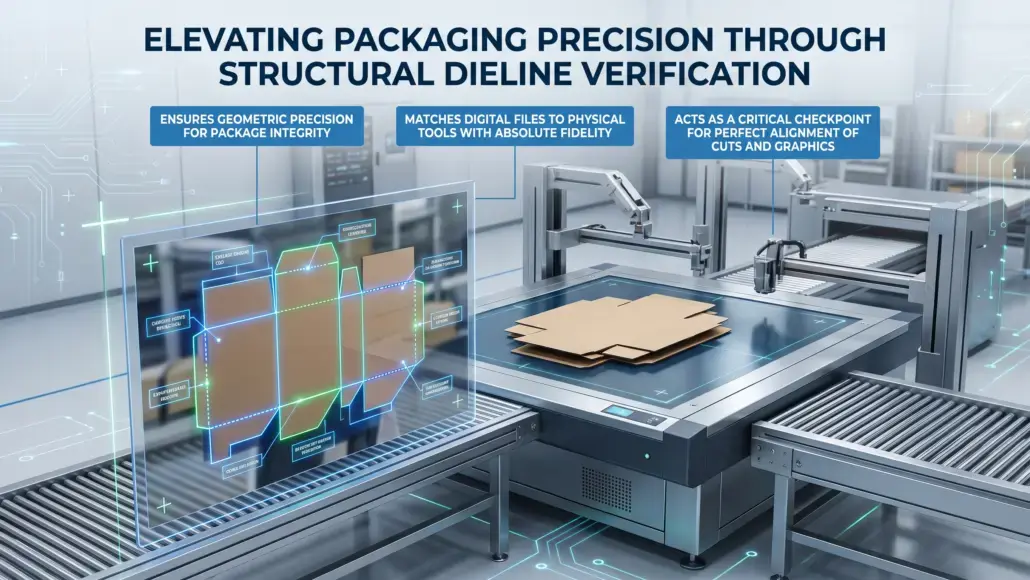

The integrity of a physical package is inextricably linked to the geometric precision of its structural design. In the high-stakes environment of packaging conversion, the transition from a flat, printed sheet to a three-dimensional container requires absolute fidelity between the digital file and the physical tool. The implementation of structural dieline verification serves as the critical checkpoint that ensures every cut, crease, and perforation is perfectly aligned with the graphics. As packaging designs become more complex, featuring unique shapes and intricate opening mechanisms, the risk of misalignment increases. By utilising advanced verification tools, converters can identify and rectify discrepancies at the prepress stage, long before the first sheet reaches the die-cutter. This proactive approach is essential for maintaining the tight tolerances required by automated filling lines and for ensuring that the final product meets the consumer’s expectations for functionality and aesthetics.
Technical verification of the dieline involves a multi-layered analysis that compares the structural intent with the production realities. This includes checking for proper bleed allowances, clearance for glue tabs, and the accurate placement of UPC codes and nutritional panels relative to folds. When structural dieline verification is integrated into the workflow, it acts as a safeguard against the costly errors that occur when graphics are printed in areas destined to be cut away or hidden by a flap. For converters managing thousands of SKUs, the ability to automate this process provides a significant boost to both speed and accuracy. The digital synchronization of the structural CAD file with the graphic design software ensures that any changes to the package dimensions are immediately reflected in the artwork, eliminating the communication gaps that frequently lead to production defects.
The impact of inaccurate dielines extends far beyond the conversion department. A package that does not fold correctly or has misaligned graphics can cause significant delays on the customer’s filling and packing lines. In some cases, structural failures can even lead to product damage during shipping and handling, resulting in costly insurance claims and damage to the brand’s reputation. By prioritizing structural dieline verification, converters demonstrate a commitment to total quality management that encompasses both the visual and mechanical aspects of the package. This holistic view of the production cycle is what allows leading firms to maintain high levels of customer satisfaction while minimizing the internal costs associated with rework and scrap. As the industry continues to move toward more sustainable and lightweight materials, the margin for error in structural design will only continue to shrink, making precise verification more important than ever.
Geometric Precision in Folding and Creasing
The transformation of a flat substrate into a functional box relies on the scientific application of force along predetermined lines. The accuracy of these creases determines the ease with which the package can be erected and the strength of the final structure. Through the use of structural dieline verification, designers can simulate the folding process in a digital environment, identifying potential points of interference or stress that could lead to cracking or failure. This simulation allows for the adjustment of crease depths and widths based on the specific calipers and grain directions of the material being used. By perfecting the dieline before the physical die is manufactured, converters can ensure a smooth transition from the press to the finishing department.
In modern high-speed conversion environments, even a deviation of a fraction of a millimeter can result in a significant number of rejected units. The implementation of structural dieline verification ensures that the cutting die and the stripping tools are perfectly synchronized with the printed image. This is particularly crucial for packaging that features windows or complex cut-outs that must align perfectly with the contents of the box. The precision provided by these tools allows for the creation of more sophisticated packaging designs that enhance the unboxing experience for the consumer. As brands seek to differentiate themselves through unique structural elements, the ability to execute these designs with absolute accuracy becomes a vital competitive advantage for the converter.
The relationship between the structural design and the finishing processes is also managed more effectively through rigorous verification. For example, special-effect layer control improving packaging finishing precision requires a perfectly aligned dieline to ensure that spot varnishes or foil stamps are placed correctly relative to the edges and folds. If the dieline is not verified, these high-value finishes can end up being cut off or obscured, wasting expensive materials and ruining the visual impact of the package. By ensuring that all layers of the design structural, graphic, and finishing are in perfect alignment, converters can deliver a finished product that is truly greater than the sum of its parts. This level of technical coordination is a hallmark of a world-class packaging operation.
Material Compatibility and Structural Integrity
The physical properties of the substrate play a significant role in how a dieline performs during the conversion process. Different materials, from virgin SBS board to recycled corrugated, have varying levels of elasticity and resistance to folding. A reliable structural dieline verification process takes these material characteristics into account, ensuring that the design is appropriate for the chosen substrate. For example, a design that works perfectly on a rigid board might fail on a more flexible film or a thinner paperboard. By testing the dieline against the material specifications in the digital stage, converters can avoid the frustration of discovering structural weaknesses during a live production run. This saves time and resources while ensuring a more reliable product for the end-user.
Advanced verification software can also calculate the optimal nesting of the dieline on the sheet, maximizing the number of units per impression and minimizing the amount of waste. This “nesting optimization” is a direct result of having a verified and accurate structural file. By reducing the amount of trim waste, converters can significantly lower their material costs and improve the sustainability of their operations. This is especially important in an era where brand owners and consumers are increasingly focused on reducing the environmental impact of packaging. The ability to demonstrate a highly efficient conversion process is a powerful selling point for converters looking to attract and retain environmentally conscious clients.
Additionally, the structural integrity of the package is essential for ensuring product safety throughout the supply chain. A verified dieline ensures that the glue joints are properly sized and positioned to provide the necessary bond strength. It also ensures that the locking mechanisms and tamper-evident features function as intended, providing security for the consumer and the brand owner. By investing in structural dieline verification, converters provide an extra layer of protection against the risks of package failure and product loss. This commitment to structural quality is a key component of the value proposition for any high-performance packaging provider, building trust and long-term partnerships with global brands.
Automated Workflows and Error Mitigation
The integration of structural verification into an automated workflow represents the next step in the evolution of packaging prepress. By linking the CAD department directly with the graphic design and production teams, converters can create a “single source of truth” for every job. This prevents the version control issues that frequently occur when multiple departments are working with different iterations of a file. When structural dieline verification is part of an automated check-in process, any errors are flagged immediately, allowing for rapid correction. This reduces the time-to-market for new designs and ensures that even the most complex projects are delivered on time and within the specified quality parameters.
Automation also allows for more sophisticated types of verification, such as checking for the correct placement of “quiet zones” for barcodes or ensuring that the text is at a safe distance from the trim line. These details, while small, are essential for the functional success of the package. By offloading these routine checks to a software system, human designers and prepress technicians can focus on more creative and strategic tasks. The result is a more efficient and productive department that is less prone to the fatigue-related errors that can plague manual verification processes. The adoption of these tools is a clear signal that a converter is committed to using the best available technology to serve their clients.
The data generated during the verification process can also be used to improve future designs. By analyzing the types of errors that are most commonly caught, converters can identify patterns and adjust their design standards or training programs accordingly. This culture of continuous improvement is fueled by the insights provided by structural dieline verification. Over time, the organization becomes more adept at handling complex structural challenges, leading to higher levels of innovation and efficiency. This long-term perspective is what allows converters to stay ahead of the curve in a rapidly changing industry, providing their clients with the highest levels of quality and service.
Future Horizons in Structural Design Verification
Looking forward, the use of virtual reality (VR) and augmented reality (AR) will likely play an even larger role in the verification process. Designers and brand owners could “walk through” a virtual retail environment, examining the physical structure and graphics of a new package before a single sheet is printed. This immersive form of structural dieline verification would provide a level of insight that is impossible to achieve with 2D proofs or 3D renderings alone. It would allow for the fine-tuning of the shelf presence and ergonomics of the package, ensuring that it is as effective as possible in the real world. The integration of these tools into the standard workflow will further reduce the risk of design failures and enhance the collaboration between converters and their clients.
The rise of smart packaging, featuring embedded electronics and sensors, will also introduce new challenges for structural verification. These components must be integrated into the dieline in a way that does not compromise the structural integrity or the recyclability of the package. Verification tools will need to evolve to account for the unique physical requirements of these new technologies, ensuring that they can be reliably manufactured and used. By staying at the forefront of these developments, converters can position themselves as leaders in the next generation of packaging innovation. The ongoing commitment to precision and accuracy will remain the foundation upon which these new technologies are built.
Finally, the implementation of structural dieline verification is a fundamental requirement for any packaging converter seeking to achieve high levels of conversion accuracy and customer satisfaction. By bridging the gap between digital design and physical production, these tools provide a level of security and efficiency that is essential in today’s competitive market. The benefits of this process extend across the entire production cycle, from the initial design phase to the final delivery of the finished package. As the industry continues to innovate with new materials and more complex designs, the importance of precise structural verification will only continue to grow. Those who embrace these tools and integrate them into their core workflows will be well-positioned to lead the industry into the future.