


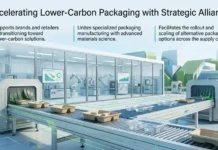












Tetra Pak has introduced a new collaborative innovation model with leading paperboard producers, a move aimed at tackling the food packaging industry’s sustainability challenges. The traditional operating model of a linear supply chain has changed, and a new partnership ecosystem model is emerging, where the entire industry works in close collaboration. This brings together not only producers and suppliers, but also research institutions, universities and start-ups in an attempt to find solutions.
According to the latest research the global food supply chain system is responsible for 26% of global greenhouse gas emissions; a third of all food is lost or wasted somewhere in the supply chain; fossil fuel-based materials need to be phased out; and significant improvements are needed to the way packaging is dealt with after use.
Laurence Mott, Executive VP for Development and Engineering at Tetra Pak, says: “We are joining forces with our strategic partners and paperboard producers to find solutions. It’s possible to make a completely sustainable package, but you have to make it safe. And if you can’t make it at scale, you can’t minimise food waste, and you can’t serve a growing global population. In order to bring those three things together, it takes very strong collaboration.”
Mott says that the scale of the environmental challenges the world faces requires that actors within the value chain join forces to develop truly sustainable packaging solutions.
Leading paperboard producers are united in their approach to tackle carbon emissions and have an ambition to create a net-zero carbon future.
Hannu Kasurinen, Executive Vice President Packaging at Stora Enso, a leading global provider of renewable solutions, says: “We trust, we share, we learn together. Our best innovators collaborate, and we move forward and we innovate. Sometimes we fail, but then we learn from those failures. We have grown much closer to each other, because we have the same strategic objectives – which are good for the people and the planet.”
Francisco Razzolini, Industrial Technology, Innovation, Sustainability and Projects Director at Klabin, Brazil’s largest paper producer, says: “We are seeing new demands from society and from consumers to make products and processes that are more sustainable. Meeting these demands requires a lot of collaboration between our companies. By sharing experiences, thoughts, ideas and developments, we can speed up the innovation process.”
Malin Ljung Eiborn, Head of Sustainability and Public Affairs at BillerudKorsnäs, a world leading provider of fibre-based packaging material, says: “The vision is 100% fibre-based and fully recyclable packaging, where plastic and aluminium are not needed anymore. We still have, of course, some steps to go before we are there from a technical perspective. But we work as one project team on this because the only way that we can solve them is to do this together.”
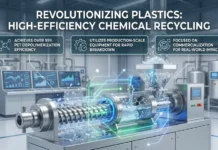
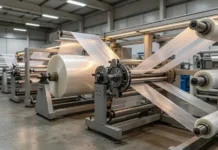
The challenges the industry faces include removing the thin layers of plastic and aluminium replacing them with plant or wood fibre-based materials, developing a renewable alternative to the plastic straw, and improving the recyclability of packages. When responsibly sourced, plant-based renewable materials can support towards protecting biodiversity and the natural ecosystem. This means the industry can minimise the need for fossil-based materials.
And it is these and other challenges on which Tetra Pak and its partners are teaming up within the new collaborative innovation model. Tetra Pak’s aim is to create the world’s most sustainable package – one that secures food safety and availability while reducing the impact on the planet.