


























The beverage industry is currently in the midst of a radical formulation revolution, driven by a consumer base that views their drinks as a key component of their overall wellness strategy. The traditional categories of “soft drink,” “juice,” and “energy drink” are blurring, as a new wave of products emerges to offer functional benefits that range from cognitive enhancement to gut health. Ingredient innovation reshaping modern beverage markets is the catalyst for this transformation, providing the scientific breakthroughs needed to incorporate sensitive bio-active compounds into stable, delicious, and “clean” formulations. In a world where “health is the new wealth,” the ability to innovate at the molecular level has become the ultimate competitive advantage.
The Rise of Functional Formulations and Adaptogens
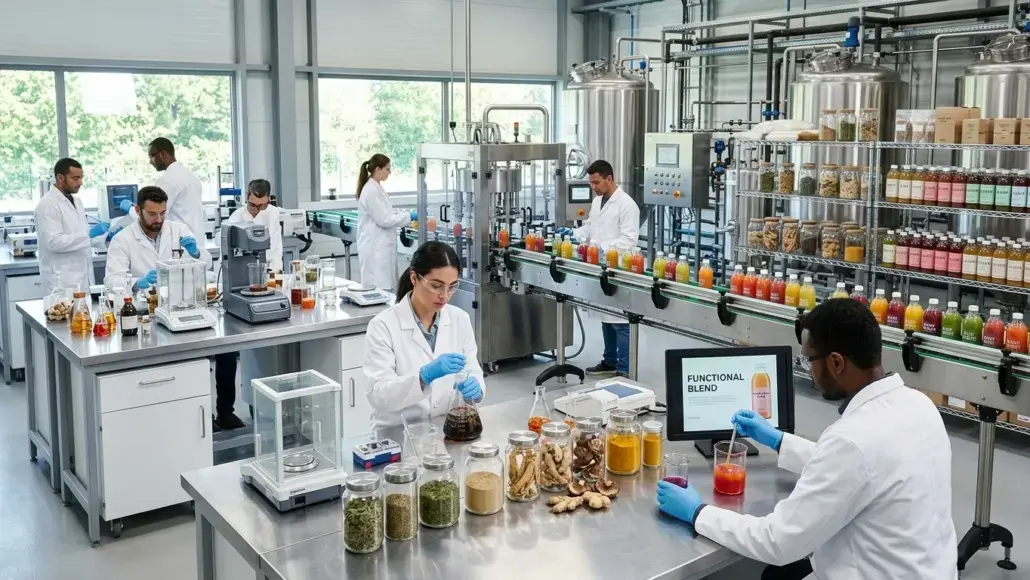
One of the most significant trends in ingredient innovation reshaping modern beverage markets is the integration of adaptogens and nootropics. Ingredients like ashwagandha, lion’s mane mushroom, and L-theanine are no longer confined to the supplement aisle; they are becoming standard features in premium functional waters and teas. These compounds are designed to help the body manage stress and improve focus, tapping into the growing consumer demand for “mental wellness” solutions. The challenge for beverage chemists is ensuring that these often-bitter botanical extracts are made palatable without the use of excessive sugar or artificial flavors.
Furthermore, the rise of “gut health” beverages has led to a surge in probiotic and prebiotic innovations. Advanced encapsulation technologies now allow live bacterial cultures to survive the high-speed filling and long shelf-life requirements of the beverage world. This means that a consumer can enjoy a sparkling water that offers the same digestive benefits as a traditional yogurt. This crossover between the supplement and beverage industries is a hallmark of ingredient innovation reshaping modern beverage markets, creating a new category of “liquid nutrition” that fits seamlessly into a busy, modern lifestyle.
The Clean Label Movement and Sugar Alternatives
As consumers become more scrutinized about what they put into their bodies, the “clean label” movement has become a mandatory requirement for brand growth. This has led to a major wave of ingredient innovation reshaping modern beverage markets focused on natural alternatives to synthetic additives. Artificial colors are being replaced by extracts from beets, carrots, and turmeric, while “natural flavors” are being refined through cold-press and steam distillation techniques that capture the true essence of the fruit or herb. The objective is a “transparent” ingredient list that the consumer can understand and trust.
Perhaps the most intense area of innovation is the search for the “perfect” sugar alternative. With sugar taxes and health concerns driving a move away from high-fructose corn syrup, the industry has turned to next-generation sweeteners like stevia, monk fruit, and allulose. The latest breakthroughs involve “flavor-masking” technology and “sweetness enhancers” that interact with the tongue’s receptors to provide a sugar-like experience with zero calories and no bitter aftertaste. By solving the sensory challenges of natural sweeteners, ingredient innovation reshaping modern beverage markets is making healthy choices easier and more enjoyable for the global population.
Stability and Bio-Availability through Nanotechnology
A less visible but equally important facet of ingredient innovation reshaping modern beverage markets is the use of nanotechnology and advanced delivery systems. Many of the most beneficial functional ingredients, such as curcumin (from turmeric) or certain Omega-3 fatty acids, are hydrophobic meaning they do not naturally mix with water. To incorporate these into a clear, stable beverage, manufacturers are using nano-emulsions and liposomal delivery systems. These technologies break down the ingredients into microscopic droplets that remain suspended in the liquid and are more easily absorbed by the human body.
This focus on “bio-availability” ensures that the functional benefits promised on the label are actually delivered to the consumer. It is a transition from “marketing-led” formulation to “science-led” innovation. These advanced delivery systems also help to protect sensitive ingredients from the heat and light of the distribution chain, ensuring that the product maintains its potency and flavor until the moment of consumption. Ingredient innovation reshaping modern beverage markets is thus a marriage of biology and physics, providing the technical foundation for the next generation of high-performance beverages.
The Growth of Plant-Based Proteins in Beverages
The plant-based revolution is also driving significant innovation in beverage ingredients. We are seeing a move beyond soy and almond to new protein sources like pea, oat, and even potato. Each of these materials brings its own set of challenges regarding texture, flavor, and solubility. Innovative processing techniques, such as enzymatic hydrolysis, are being used to create plant proteins that are smooth, neutral-tasting, and highly functional in everything from coffee creamers to protein shakes. This diversification of the plant-based portfolio is a key driver of ingredient innovation reshaping modern beverage markets, meeting the needs of a diverse and growing global audience.
The Future of Personalized Nutrition
Looking forward, the ultimate destination of ingredient innovation reshaping modern beverage markets is personalized nutrition. We are approaching an era where a consumer’s unique genetic profile or biometric data could be used to formulate a bespoke beverage that meets their specific nutritional needs at that exact moment. Whether it is a post-workout recovery drink tailored to a specific muscle-fatigue profile or a morning tea designed to balance a specific metabolic rate, the future of the industry is personalized. Ingredient innovation is the key to unlocking this potential, ensuring that every bottle is as unique as the person drinking it.
In conclusion, the transformation of the beverage industry through ingredient innovation is a response to a more sophisticated and demanding world. By prioritizing function, purity, and performance, manufacturers are creating products that do more than just quench thirst; they enhance life. Ingredient innovation reshaping modern beverage markets is the engine of progress, driving us toward a future where our drinks are our most powerful tools for health and happiness. The recipe for success is no longer just about taste it is about the science of better living.

