



















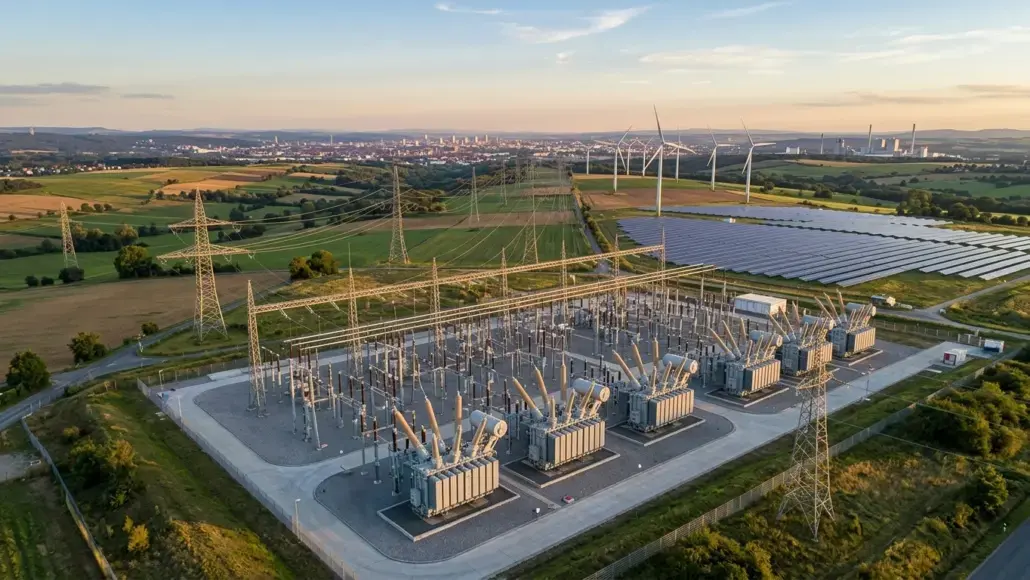
In an era defined by rapid urbanization, industrialization, and the massive transition toward renewable energy, the stability of high-voltage electrical grids has never been more critical. While state-of-the-art software and advanced semiconductor switches receive widespread attention, the foundational reliability of power transmission networks rests on a silent, mechanical hero: high-purity electrical insulation paper. These specialized cellulose substrates provide the crucial electrical barrier and mechanical support required inside high-voltage electrical equipment, especially power transformers. By exploring how electrical insulation papers supporting energy systems, we uncover a high-tech discipline where pulp chemistry, chemical upgrading, and thermal thermodynamics converge to protect global power grids from catastrophic failures.
The Physical and Chemical Foundations of Dielectric Paper
To understand how electrical insulation papers supporting energy systems, one must first look at the unique physical and chemical characteristics of dielectric cellulose. Standard commercial papers are filled with mineral fillers, bleaching agents, and sizing chemicals to improve printability and brightness. In stark contrast, electrical insulation papers must be manufactured with absolute chemical purity. Any ionic impurities, such as sodium, potassium, or chloride ions, would become highly conductive under high electrical stress, leading to localized electrical breakdown and premature failure of the insulation system.
The primary raw material for these papers is unbleached softwood Kraft pulp. Softwood fibers, particularly those sourced from slow-growing northern conifers, possess exceptional length and tensile strength. The Kraft pulping process is specifically chosen because it gently dissolves lignin the natural glue holding wood fibers together while preserving the crystalline structure of the cellulose polymers. The resulting pulp is subjected to an exhaustive washing process using demineralized water to remove all traces of processing chemicals and free ions. The conductivity of the aqueous extract of the finished paper is continuously monitored, as even minor electrical conductivity would indicate the presence of ionic contaminants that could compromise the dielectric integrity of the paper when exposed to electrical fields.
During the sheet-making process on the paper machine, the fiber orientation is meticulously managed. The paper must exhibit a highly uniform density and thickness, with a specific microscopic porosity. This porosity is critical because, in most high-voltage applications, the paper does not act alone; it is paired with liquid insulation, such as mineral oil or synthetic ester fluids. The porous structure of the paper allows the insulating oil to fully saturate the cellulose matrix, replacing any trapped air pockets. Since air has a much lower dielectric strength than paper or oil, any dry voids in the insulation would act as focal points for partial discharges, which would gradually erode the insulation and culminate in a massive electrical arc. The physical density of the paper must be balanced perfectly: a density that is too high prevents proper oil absorption, while a density that is too low compromises the mechanical tensile strength and electrical breakdown resistance of the sheet.
The Paper-Oil Insulation Matrix in Power Transformers
The most demanding application for these specialty substrates is within liquid-immersed power transformers, which step voltage up or down along the transmission grid. Inside a transformer, copper windings carry thousands of amperes of electrical current, generating immense electromagnetic forces and extreme heat. The electrical insulation papers supporting energy systems must wrap these copper conductors, providing both a physical barrier to prevent phase-to-phase short circuits and a dielectric medium to withstand high-voltage electrical stresses.
The performance of the paper-oil system is governed by the synergistic relationship between the solid cellulose and the liquid dielectric fluid. When the transformer is filled with oil under vacuum, the liquid impregnates the paper, forming a composite dielectric material with an electrical breakdown strength far exceeding that of either component individually. The cellulose fibers act as physical barriers that impede the formation of conductive “streamers” in the oil during high-voltage surges, such as those caused by lightning strikes or grid switching events. The dielectric constants (permittivities) of the paper and oil must be as closely matched as possible to ensure that the electric field is distributed evenly across the insulation system, avoiding dangerous electric field concentrations in any single layer.
However, cellulose is an organic polymer made of glucose rings linked together, and its mechanical and electrical integrity is highly sensitive to aging. The health of the insulation is monitored through its Degree of Polymerization (DP), which measures the average length of the cellulose polymer chains. New insulation paper typically has a DP value of around 1000 to 1200. As the transformer operates, heat, moisture, and oxygen gradually break these polymer chains. When the DP value drops below 200, the paper loses its mechanical tensile strength and becomes brittle. At this point, the physical vibrations caused by the alternating magnetic fields inside the transformer can cause the paper to crumble, leading to immediate mechanical and electrical collapse. Dissolved Gas Analysis (DGA) and the measurement of furanic compounds in the transformer oil are critical diagnostic techniques used by utilities to monitor this aging process, tracking the chemical breakdown of the cellulose over time without needing to open the transformer.
Thermal Upgrading and Chemical Stabilization
To extend the lifespan of power transformers and allow them to operate at higher temperatures without rapid degradation, paper manufacturers developed Thermally Upgraded Paper (TUP). This technology represents a major milestone in how electrical insulation papers supporting energy systems, enabling utilities to squeeze more power out of existing grid infrastructure.
Thermal upgrading involves treating the cellulose pulp or the finished paper web with nitrogen-rich chemical stabilizers, such as dicyandiamide, urea, and melamine. These chemical additives work by neutralizing the acidic byproducts of cellulose degradation and moisture. When cellulose is exposed to heat, it undergoes hydrolysis, a chemical reaction where water molecules break the glycosidic bonds in the polymer chains. This reaction is catalyzed by acids. The nitrogen compounds in thermally upgraded paper act as chemical “buffers,” reacting with the acids and water molecules to inhibit the hydrolysis reaction.
By chemically stabilizing the cellulose, Thermally Upgraded Paper can safely operate at continuous temperatures up to 120 degrees Celsius, compared to the 105-degree limit of standard kraft paper, while maintaining an equivalent operational lifespan. This thermal tolerance allows transformers to handle higher electrical loads during peak demand periods without suffering accelerated insulation wear, providing vital flexibility to grid operators in managing power distribution. It also reduces the rate of furan formation and gas evolution under thermal stress, ensuring that the paper maintains its structural integrity and dielectric capability under peak load conditions.
Pressboard and Structured Insulation Components
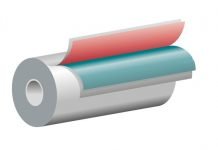
In addition to thin winding papers, energy systems rely heavily on thick, dense cellulose structures known as transformer pressboards or precompressed boards. These materials are manufactured by laminating multiple wet layers of high-purity Kraft pulp under immense mechanical pressure and high temperatures, resulting in rigid, mechanically robust sheets that can be machined into complex three-dimensional shapes.
Pressboards are used to construct major structural components inside transformers, such as barrier systems, phase rings, clack boards, and winding cylinders. These components must withstand not only electrical stress but also intense mechanical forces, particularly during external short-circuit events when electromagnetic forces can violently compress or expand the copper windings. The pressboard must absorb these physical impacts without shifting or cracking, maintaining the precise geometric clearances required to prevent internal flashovers. The manufacture of these dense components requires specialized multi-day drying and pressing cycles to achieve the perfect balance of mechanical rigidity and oil impregnation capability.
The processing of pressboard in the transformer factory involves drying the material under vacuum at high temperatures to remove all traces of moisture. Cellulose is highly hydrophilic, and dry paper will rapidly absorb moisture from the surrounding air. If moisture levels in the paper exceed 0.5% by weight, its dielectric strength drops precipitously, and the risk of bubbling under thermal load increases. Therefore, the handling, drying, and impregnation of pressboard are some of the most strictly controlled operations in high-voltage manufacturing.
Adapting to the Modern Grid and Renewable Integration
The rapid integration of intermittent renewable energy sources, such as wind and solar power, is placing unprecedented stress on traditional grid infrastructure. Unlike stable baseload power plants, renewable generation fluctuates rapidly based on weather conditions, causing frequent thermal cycling and erratic loading profiles in step-up transformers. In this volatile environment, the demand for resilient insulation materials has intensified.
Furthermore, environmental regulations and safety concerns are driving a major shift away from traditional mineral oils toward biodegradable, fire-resistant ester liquids, both natural (vegetable-based) and synthetic. These ester fluids have different chemical polarities, viscosities, and moisture-absorption capacities compared to mineral oil. Consequently, electrical insulation papers must be engineered to optimize their interaction with these new green dielectric fluids. Modern research focuses on modifying the surface chemistry of cellulose fibers to improve their wetting characteristics with viscous ester liquids, ensuring rapid and complete impregnation even at lower processing temperatures.
By adapting to these evolving environmental and mechanical demands, specialty insulation papers continue to reinforce the stability of our high-voltage transmission networks. As the global community strives to modernize energy grids and reduce carbon emissions, the continuous optimization of cellulose-based insulation technologies remains a cornerstone of global energy security, proving that even the most advanced electrical systems still rely on the timeless, high-performance properties of engineered natural fibers.

