













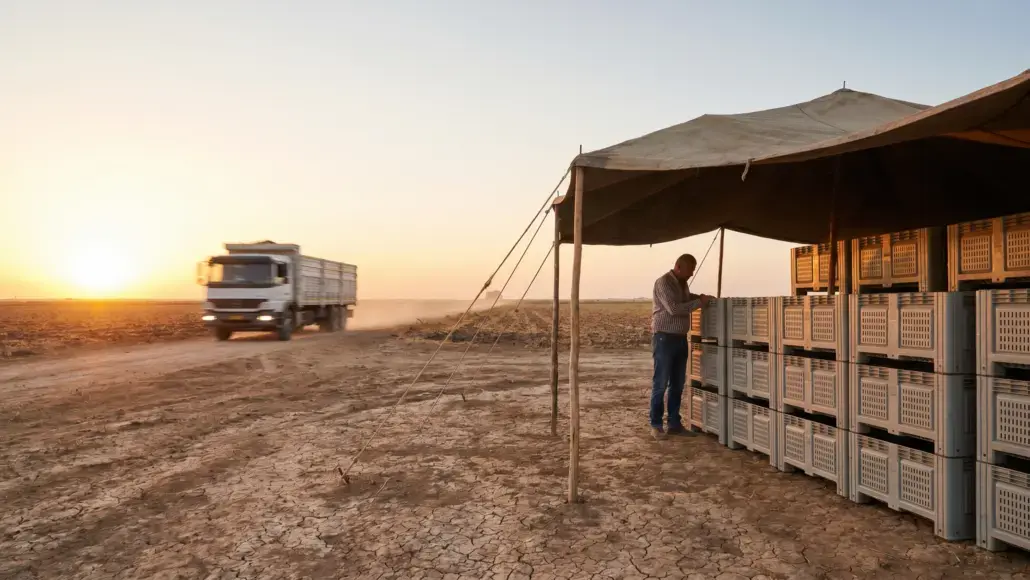

The global food supply chain is facing an unprecedented challenge: a changing climate that is increasing the frequency of extreme weather events, disrupting traditional logistics, and threatening food security on a global scale. As temperatures rise and weather patterns become more volatile, the systems we rely on to move food from farm to fork are becoming increasingly vulnerable. In this context, packaging innovation for climate resilient food chains is no longer a luxury it is a critical necessity for the survival of the industry. Modern packaging must do more than just hold a product; it must act as a sophisticated barrier against environmental stressors, ensuring that food remains safe, nutritious, and available, regardless of the challenges encountered during distribution.
Climate resilience in the food industry refers to the ability of the supply chain to withstand and recover from climate-related shocks. Packaging plays a pivotal role in this resilience by serving as the primary interface between the food and the environment. Innovations in materials science, digital tracking, and structural design are converging to create packaging that can adapt to changing conditions. Whether it is protecting produce from heatwaves in transit or ensuring that dry goods remain moisture-free during intense humidity, the next generation of packaging is being engineered to meet the demands of a world where “business as usual” is no longer an option.
The urgency for these solutions is driven by the staggering reality of food waste. Currently, approximately one-third of all food produced globally is lost or wasted, with a significant portion occurring during the post-harvest and distribution phases. Climate change exacerbates these losses by accelerating spoilage and creating new safety risks. Packaging innovation for climate resilient food chains directly addresses this by extending the functional shelf life of products and providing a more robust shield against physical and chemical degradation. By reducing waste, these innovations not only protect the planet but also enhance the profitability and stability of the entire food system.
Protecting Integrity Against Extreme Environments
One of the most immediate impacts of climate change is the increase in average temperatures and the frequency of “heat spikes.” For perishable goods, even a few hours of exposure to excessive heat can lead to rapid bacterial growth and spoilage. Climate resilient packaging is being developed with advanced thermal properties to mitigate these risks. This includes the use of Phase Change Materials (PCMs) that can absorb or release heat to maintain a stable internal temperature, as well as highly reflective coatings that reduce solar heat gain during outdoor transit.
Advanced Thermal Insulation and Barriers
Traditional polystyrene foam, while effective as an insulator, is an environmental burden. Innovation is now focusing on sustainable alternatives that offer comparable or superior thermal performance. Fiber-based insulators derived from wood pulp or agricultural waste are being treated with bio-based coatings to provide water resistance and high thermal impedance. These materials are often compostable or recyclable, aligning climate resilience with broader sustainability goals. By keeping products within their required temperature range for longer periods, these innovators reduce the dependence on energy-intensive refrigerated “reefer” containers, making the entire distribution network more efficient and less carbon-intensive.
Humidity and Moisture Management
Changes in precipitation patterns and increased humidity levels pose a significant threat to dry goods and fresh produce alike. Moisture can lead to the growth of mold, the softening of crisp products, and the degradation of structural packaging integrity. Packaging innovation for climate resilient food chains includes the development of moisture-regulating films that can either absorb excess humidity or provide a high-performance vapor barrier. For instance, modified atmosphere packaging (MAP) is being refined with bio-based polymers that allow for precise control over oxygen and carbon dioxide levels while effectively managing internal condensation. This ensures that products like grains and legumes remain dry and shelf-stable, even in tropical or coastal distribution environments.
Enhancing Shelf Life in Unpredictable Logistics
The unpredictability of climate-related disruptions such as floods blocking transport routes or hurricanes closing ports means that food often spends more time in transit than originally planned. This “logistics lag” requires packaging that can keep food fresh for extended periods. Packaging innovation for climate resilient food chains is pushing the boundaries of shelf life extension through both active and intelligent technologies.
Active Packaging and Ethylene Control
For fresh produce, the primary driver of spoilage is the production of ethylene gas, a natural ripening hormone. In a resilient food chain, packaging is designed to actively manage this gas. Innovations include films embedded with minerals that absorb ethylene or coatings that slow down the fruit’s metabolic rate. By extending the window of peak freshness by several days, these technologies provide a vital “buffer” that allows supply chains to recover from transit delays without the loss of the product. This capability is especially important for international trade, where sea freight times are long and subject to the whims of the ocean.
Antimicrobial and Bio-active Coatings
Food safety is another critical concern in a warming world. Pathogens thrive in warmer conditions, and the risk of contamination increases during supply chain disruptions. Packaging innovation is addressing this through the use of antimicrobial coatings derived from natural sources, such as essential oils, chitosan, or silver nanoparticles. These coatings can inhibit the growth of harmful bacteria and fungi on the surface of the food or within the package itself. By integrating safety directly into the packaging material, the industry creates an additional layer of protection that is independent of external refrigeration or chemical preservatives.
Structural Innovation for Robust Distribution
Climate change also brings more intense physical stressors, such as severe storms and turbulence. Packaging must be structurally sound enough to withstand these conditions without failing. Structural innovation is focused on creating packaging that is both lightweight to reduce the carbon footprint of transport and exceptionally strong.
Bio-mimicry and Material Strength
Designers are increasingly looking to nature for inspiration in structural design. Honeycomb and lattice structures, which provide high strength-to-weight ratios, are being adapted for use in secondary and tertiary packaging. By using advanced corrugated boards and reinforced bio-plastics, companies can create crates and pallets that are more resilient to physical impact and vibration. This reduces the incidence of crushed or damaged products, ensuring that the food that is shipped is the food that arrives at the destination.
Adaptive and Flexible Packaging
Traditional rigid packaging can be prone to cracking or leaking under pressure or temperature fluctuations. The shift toward flexible packaging solutions such as pouches and stand-up bags offers several advantages for climate resilience. These formats are less likely to break upon impact and can expand or contract with temperature changes without losing their seal integrity. Furthermore, flexible packaging uses significantly less material than rigid alternatives, reducing the overall environmental impact of the supply chain while maintaining a high level of protection for the contents.
The Role of Digital Integration in Resilience
A truly resilient food chain is one that is informed and responsive. Packaging innovation for climate resilient food chains is increasingly incorporating digital technologies that provide real-time visibility into the status of the food. By connecting the physical package to a digital network, companies can anticipate problems before they lead to losses.
Sensors and Real-time Monitoring
Small, low-cost sensors integrated into packaging can track temperature, humidity, and even the chemical signatures of spoilage. This data can be transmitted wirelessly to a central dashboard, allowing logistics managers to monitor the health of the entire supply chain in real-time. If a sensor indicates that a batch of food is being exposed to suboptimal conditions, the shipment can be rerouted to a closer market or prioritized for immediate sale. This data-driven approach turns a passive supply chain into a dynamic, “thinking” network that can navigate the uncertainties of a changing climate.
Blockchain and Verified Integrity
The integration of blockchain technology with smart packaging provides an immutable record of a product’s journey. In a climate-disrupted world, being able to verify that a product was handled correctly at every step is essential for maintaining consumer trust and ensuring safety. If a climate event occurs, blockchain allows for the rapid identification of which shipments were affected and which were not, preventing unnecessary waste and ensuring that only high-quality food reaches the consumer. This transparency is the backbone of a modern, resilient food system.