


























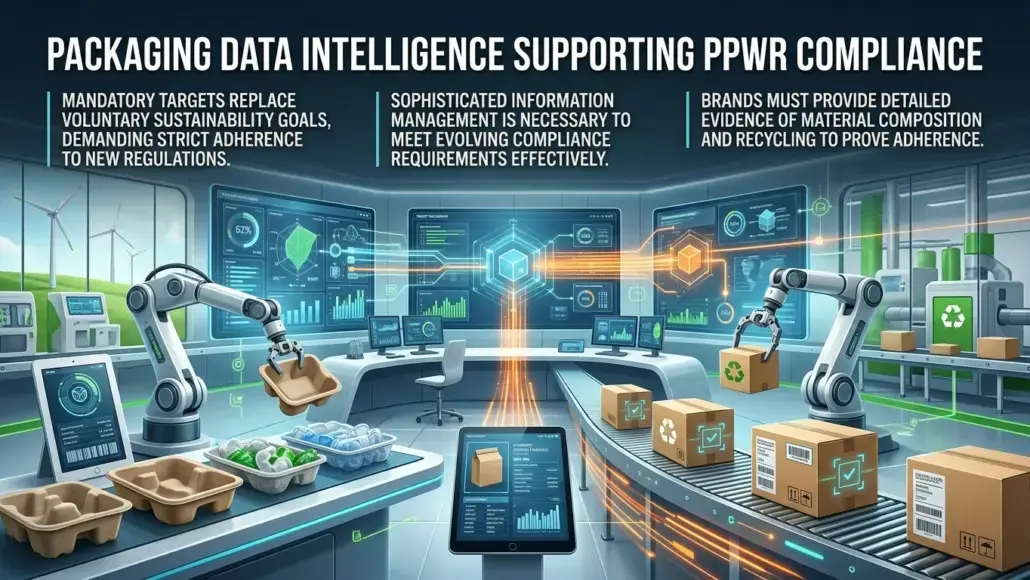
The regulatory environment surrounding the European packaging sector is currently undergoing its most significant transformation in decades. The introduction of the Packaging and Packaging Waste Regulation (PPWR) has moved the industry away from voluntary sustainability goals and toward mandatory, legally binding targets. Meeting these requirements necessitates a sophisticated approach to information management, as brands are now required to provide detailed evidence of material composition, recycled content, and end of life recyclability for every unit placed on the market. The emergence of packaging data intelligence is the central mechanism through which companies can manage this complexity and ensure long term compliance with evolving standards.
This transition requires a fundamental shift in how packaging specifications are stored and shared across the value chain. In the past, data was often siloed within different departments or hidden in static PDF documents that were difficult to aggregate. To meet the demands of the PPWR, companies must adopt digital systems that provide a single source of truth for all packaging related information. This includes not only the physical dimensions and weight of the container but also a comprehensive breakdown of the chemical additives, adhesives, and inks used in its construction. The ability to access and verify this information in real time is becoming a core competitive advantage for global manufacturers.
Regulatory Reporting and the Digital Product Passport Framework
At the heart of the new regulatory environment is the concept of the Digital Product Passport (DPP). This framework is designed to provide consumers, regulators, and recyclers with immediate access to a wealth of information about the environmental profile of a package. By scanning a unique identifier, such as a QR code or a digital watermark, stakeholders can retrieve data on the percentage of post consumer recycled content, the specific polymer types used, and instructions for correct disposal. Implementing the DPP requires a level of packaging data intelligence that few companies currently possess, necessitating significant investment in data architecture and integration.
The implementation of these passports is not just a labeling requirement but a massive data synchronization exercise. Manufacturers must work closely with their suppliers to ensure that every raw material comes with a digital certificate of analysis that can be fed into the DPP system. This creates a digital twin of the physical package, reflecting its entire history from the extraction of raw materials to the point of sale. For large multinational corporations with thousands of Stock Keeping Units (SKUs), the scale of this task is immense. Automated data validation workflows are essential to ensure that the information presented in the passport is accurate and up to date, avoiding the risk of regulatory fines or reputational damage.
Regulators are also looking to these digital systems to streamline the process of extended producer responsibility (EPR) reporting. Instead of relying on manual declarations that are prone to error, authorities can use the data generated by the DPP to calculate the exact environmental fees owed by a producer. This provides a more equitable system where companies are incentivized to design more sustainable packaging to lower their financial liability. The integration of this data into national and regional reporting databases will provide a clearer picture of material flows across the continent, allowing for more targeted interventions to improve recycling rates.
Data Granularity and Supply Chain Traceability Challenges
Achieving the level of detail required by the PPWR presents significant challenges in terms of data granularity. It is no longer sufficient to state that a package is made of plastic; companies must specify the exact grade of resin, the presence of any legacy additives that might hinder recycling, and the origin of any recycled materials. This requires a deep level of visibility into the sub tiers of the supply chain, which have traditionally been opaque. Packaging data intelligence platforms are now being used to bridge these gaps, allowing for the secure exchange of sensitive information between buyers and sellers while protecting intellectual property.
Traceability is particularly complex in the context of recycled content. The PPWR mandates specific minimum percentages of recycled material in plastic packaging, which will increase over time. To verify these claims, companies must track the mass balance of recycled resin from the recycling facility through the converter and finally to the brand owner. This involves a chain of custody that must be audited and verified by third party bodies. Blockchain technology is emerging as a potential solution for creating an immutable record of these transactions, providing a transparent audit trail that can be used to satisfy regulatory inquiries.
The global nature of the packaging supply chain adds another layer of difficulty. A brand based in Europe may source its packaging from a converter in Asia that uses raw materials from South America. Ensuring that all these actors adhere to the same data standards and reporting protocols is a major undertaking. The development of international standards, such as those promoted by GS1, is critical for enabling the interoperability of different data systems. Without these standards, the industry risks becoming fragmented into competing digital ecosystems that cannot communicate with one another, significantly increasing the cost of compliance for global players.
Quantifying Recyclability Scores for Mandatory EU Targets
One of the most innovative aspects of the PPWR is the introduction of recyclability performance grades. Packaging will be categorized from A to E based on how easily it can be sorted and processed by existing infrastructure. Those that fall below a certain grade will eventually be banned from the market or subject to significantly higher fees. Calculating these scores requires a detailed understanding of the interaction between different packaging components. For example, the type of adhesive used to attach a label can determine whether a polyethylene bottle is considered highly recyclable or a contaminant in the recycling stream.
Packaging data intelligence allows designers to run simulations and calculate these scores during the early stages of product development. By integrating recyclability guidelines from organizations like RecyClass or CEFLEX directly into their design software, engineers can receive real time feedback on the impact of their material choices. If a chosen ink color is known to interfere with optical sorting machinery, the system can suggest a more sustainable alternative. This proactive approach ensures that new products are designed for circularity from the outset, rather than being retrofitted later at a higher cost.
The data gathered through these assessments also provides valuable insights for the recycling industry. By knowing the exact volume and composition of packaging entering the waste stream, recyclers can better plan their investments in new sorting and processing technologies. This creates a feedback loop where the design of the package and the capability of the recycling infrastructure evolve in tandem. As the requirements for the highest recyclability grades become more stringent, the industry will be forced to move toward a more standardized set of materials and formats, simplifying the recovery process and improving the quality of the resulting recycled resins.
Automating Compliance Audits Through Centralized Data Ecosystems
The administrative burden of complying with the PPWR is a major concern for many businesses. The sheer volume of documentation required to prove compliance for thousands of products is overwhelming for manual systems. To address this, companies are moving toward centralized data ecosystems that can automate the generation of compliance reports. These systems pull data from multiple sources, including Enterprise Resource Planning (ERP) systems, Product Lifecycle Management (PLM) tools, and supplier portals, to create a comprehensive view of the company’s regulatory posture.
Automated auditing tools can continuously monitor the data for inconsistencies or missing information, alerting the compliance team to potential issues before they become a problem. For instance, if a supplier changes the formulation of a barrier coating, the system can automatically flag that the recyclability score for all affected products needs to be recalculated. This reduces the risk of human error and ensures that the company is always ready for a regulatory inspection. The ability to generate complex reports at the touch of a button also saves significant time and resources, allowing the compliance team to focus on more strategic initiatives.
As the industry moves toward these centralized systems, the role of the packaging professional is also evolving. There is an increasing demand for individuals who possess both a deep understanding of packaging technology and the data science skills needed to manage complex information environments. The integration of packaging data intelligence into the core business strategy is no longer an option but a necessity for survival in a highly regulated market. The companies that successfully handle this digital transition will be better positioned to lead the industry toward a more sustainable and transparent future. Final success in meeting the goals of the PPWR will be measured by the ability of the sector to turn vast amounts of raw data into actionable insights that drive real environmental progress.

