
























The modern food supply chain is a marvel of global logistics, yet it remains fraught with complexities that often lead to inefficiency, waste, and safety concerns. As the world demands greater transparency and efficiency in how food moves from the farm to the table, a new generation of technology is stepping into the spotlight. Smart food packaging advancing supply chain visibility is fundamentally changing the way stakeholders monitor, manage, and deliver products. By integrating sensors, indicators, and digital triggers directly into the packaging material, the industry is moving away from passive protection toward active, intelligent interaction. This evolution provides an unprecedented level of data that allows for real-time decision-making, ensuring that food quality is maintained and that the journey of every item is fully documented.
Visibility in the supply chain has historically been limited to specific checkpoints, such as when a pallet is scanned into a warehouse or out of a distribution center. However, the gaps between these points have often been a “black box” where temperature fluctuations, mishandling, or delays could go unnoticed until the product reached the retail shelf. Smart packaging bridges these gaps by providing continuous monitoring throughout the entire transit process. Whether through RFID tags, NFC chips, or time-temperature indicators (TTIs), these technologies offer a digital “voice” to the product itself. This shift is critical for highly perishable goods, where even a slight deviation from the cold chain can drastically reduce shelf life or compromise food safety.
The adoption of these intelligent systems is driven by a convergence of technological maturity and consumer demand. Today’s consumers are more informed and skeptical than ever before; they want to know where their food comes from, how it was handled, and whether the claims on the label are accurate. Smart food packaging advancing supply chain visibility provides the empirical evidence needed to back up these claims. When a consumer can scan a package with their smartphone and see the exact temperature history of the product or verify its origin through a blockchain-linked digital twin, trust is built through transparency. This digital connection also opens new avenues for brands to engage with their audience, offering personalized information, recipes, or sustainability data that was previously impossible to deliver at the point of consumption.
The Technological Pillars of Smart Packaging
To understand how smart food packaging advancing supply chain visibility operates, it is essential to distinguish between the two primary categories of the technology: active packaging and intelligent packaging. While they are often used interchangeably, they serve distinct functions within the supply chain. Active packaging refers to materials that interact directly with the food or its internal environment to extend shelf life. Examples include oxygen scavengers, moisture absorbers, or antimicrobial coatings. On the other hand, intelligent packaging is focused on communication and monitoring it provides information about the status of the product or its environment without necessarily changing it.
Active Systems and Shelf Life Extension
Active packaging systems are the first line of defense against spoilage. By incorporating substances into the packaging material that can absorb unwanted gases or release preservatives, these systems keep food fresher for longer. For instance, ethylene absorbers are used in fruit and vegetable packaging to slow the ripening process, preventing entire shipments from spoiling prematurely. When these active systems are combined with intelligent sensors, the supply chain becomes even more efficient. A sensor can detect the presence of certain volatile organic compounds that indicate the early stages of spoilage, alerting the logistics team to prioritize the delivery of that specific batch before it becomes unsellable.
Intelligent Monitoring and Data Transmission
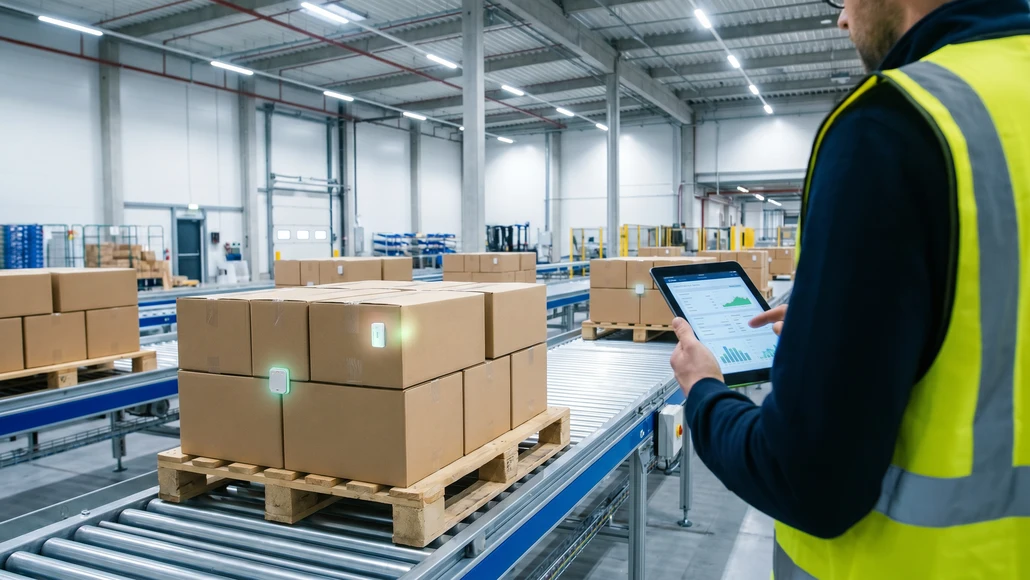
Intelligent packaging utilizes electronic or chemical indicators to track the environment surrounding the food. Time-Temperature Indicators (TTIs) are perhaps the most well-known, changing color if a product has been exposed to temperatures above a certain threshold for too long. More advanced systems include RFID (Radio Frequency Identification) and NFC (Near Field Communication) tags. These small, low-cost chips can store vast amounts of data and be read wirelessly. In a warehouse setting, RFID allows for the automated scanning of entire pallets in seconds, drastically reducing the time and labor required for inventory management. In the retail environment, NFC enables consumers to interact with the package, bridging the physical and digital worlds.
Transforming Supply Chain Visibility and Logistics
The primary advantage of smart food packaging advancing supply chain visibility is the creation of a seamless, data-driven distribution network. In a traditional supply chain, information is often siloed, with different parties using disparate systems to track movement. Smart packaging provides a single, unified source of truth that travels with the product. This “connected packaging” ensures that every stakeholder from the processor to the retailer has access to the same information regarding the product’s location, condition, and history.
Real-Time Tracking and Cold Chain Integrity
For the refrigerated and frozen food sectors, maintaining the “cold chain” is the single most important factor in ensuring product safety and quality. Smart packaging with integrated temperature sensors provides a continuous log of the thermal environment. If a refrigeration unit on a truck fails, the smart packaging can send an immediate alert to the driver or the central dispatcher. This allows for corrective action to be taken immediately, such as moving the goods to a functional unit or rerouting the shipment to a closer facility. By preventing “thermal abuse,” companies can significantly reduce the volume of food that must be discarded due to safety concerns, leading to higher profitability and less environmental impact.
Inventory Management and Waste Reduction
Poor inventory management is a leading cause of food waste in the retail sector. Products that are buried in the back of a shelf or lost in a warehouse often expire before they can be sold. Smart packaging helps solve this by providing real-time inventory levels and expiration data. Systems can be programmed to automatically flag items that are nearing their “sell-by” date, allowing retailers to apply dynamic pricing or promotions to ensure the products are moved quickly. This precision reduces the need for large “safety stocks,” leading to a leaner, more efficient supply chain that responds dynamically to actual consumer demand rather than estimated forecasts.
Enhancing Food Safety and Regulatory Compliance
In an increasingly regulated global market, the ability to quickly and accurately trace a product back to its source is not just a competitive advantage it is a legal requirement. Food safety incidents, such as outbreaks of foodborne illness, require rapid response to protect public health and minimize the economic impact on the industry. Smart food packaging advancing supply chain visibility simplifies the process of traceability, making it possible to identify and isolate affected batches in minutes rather than days.
Rapid Recall Management
When a food safety issue is detected, the traditional recall process can be slow and imprecise, often resulting in the disposal of perfectly safe food because the specific contaminated batches cannot be isolated. With smart packaging, every unit can have a unique digital identity linked to its production batch, time of processing, and source of ingredients. This allows for a “surgical” recall, where only the specific items at risk are removed from the market. This precision protects the brand’s reputation and prevents the massive financial losses associated with wide-scale product withdrawals.
Meeting Global Standards and Transparency
Governments around the world are implementing stricter traceability standards, such as the FDA’s Food Safety Modernization Act (FSMA) in the United States. Smart packaging provides the digital infrastructure needed to comply with these regulations effortlessly. By automatically capturing and storing the required data at every step of the journey, companies can provide a complete audit trail upon request. Furthermore, this transparency satisfies the “social license” to operate, as consumers and advocacy groups demand more accountability from the food industry regarding labor practices, environmental impact, and ingredient sourcing.
The Future of Connected Food Systems
As the cost of sensors and digital tags continues to fall, the integration of smart food packaging advancing supply chain visibility will become the standard rather than the exception. We are moving toward a “web of things” in the food industry, where every package is a node in a global network. This connectivity will enable even more advanced features, such as smart refrigerators that can read the NFC tags on packaging to track expiration dates and automatically add items to a shopping list.
On a broader scale, the data generated by smart packaging will feed into artificial intelligence and machine learning models to optimize the entire global food system. By analyzing the vast amounts of data collected from millions of packages, companies can identify patterns and inefficiencies that were previously invisible. This will lead to more resilient supply chains that can anticipate disruptions, reduce their carbon footprint, and ensure that fresh, safe food is accessible to everyone. The journey of a product is no longer a mystery; it is a clear, documented path paved with data and enabled by packaging innovation.