




















The global food system stands at a critical crossroads where the traditional linear model of production and consumption is increasingly being replaced by holistic, restorative approaches. As regenerative agriculture gains momentum as a method to restore soil health, sequester carbon, and enhance biodiversity, the role of packaging in this ecosystem is undergoing a radical transformation. Sustainable packaging for regenerative food systems is no longer just about being “less harmful” or using fewer plastics; it is about becoming an active participant in the restoration of natural cycles. This shift represents a move from defensive sustainability where the goal is to minimize damage to offensive regeneration, where every component of the supply chain, including the materials that protect and transport our food, contributes to the vitality of the planet.
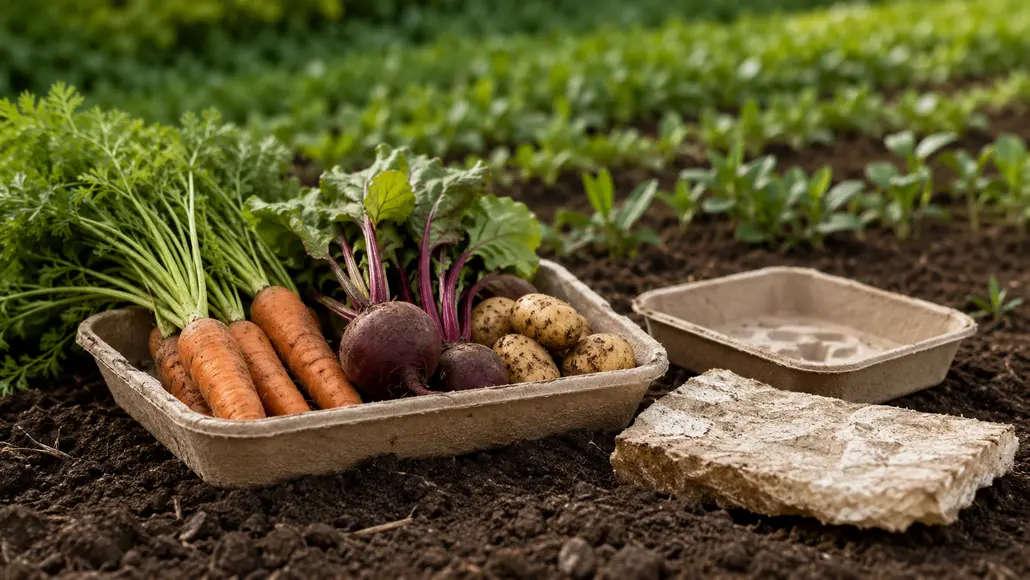
Regenerative food systems focus on the health of the soil and the complex biological networks that sustain life. For packaging to truly support this mission, it must align with the biological and technical cycles of the Earth. This means moving beyond standard recycling toward materials that can return to the earth as nutrients or remain in high-value circular loops indefinitely. The integration of compostable fibers, mycelium-based structures, and seaweed-derived coatings represents the frontier of this movement. These materials do not just disappear; they decompose into organic matter that can potentially nourish the very soils where our food is grown, closing the loop in a way that conventional petroleum-based plastics never could.
The relationship between packaging and food waste is a central pillar of this discussion. In a regenerative system, waste is a design flaw. High-quality packaging innovation is essential to preserve the nutrient density and shelf life of regeneratively grown produce, ensuring that the intensive effort put into restoring the land is not lost to spoilage during distribution. By utilizing advanced moisture barriers and breathable bio-membranes, producers can extend the freshness of perishable goods without relying on hazardous chemicals or non-recyclable multi-layer films. This synergy between the protection of the product and the protection of the environment is the hallmark of modern sustainable logistics.
Implementing these solutions requires a deep understanding of the entire food supply chain. It is not enough to simply swap a plastic bag for a paper one; the entire lifecycle from the extraction of raw materials to the end-of-life processing must be considered. For instance, fiber-based packaging sourced from regenerative forestry or agricultural residues can provide a dual benefit: it reduces the reliance on virgin timber and creates a secondary market for farmers, incentivizing them to maintain diverse crops. This economic alignment is crucial for the long-term viability of regenerative practices, as it provides the financial stability needed for producers to transition away from industrial monocultures.
Furthermore, the consumer’s role in this system cannot be overstated. Transparency and education are vital components of the regenerative movement. Digital integration on packaging, such as QR codes that link to the story of the farm or the carbon footprint of the package, empowers consumers to make informed choices that support regenerative outcomes. When individuals understand that their purchase supports a system that actively repairs the environment, they become stakeholders in the regeneration of the planet. This shift in consumer behavior drives demand for even more innovative packaging solutions, creating a positive feedback loop that accelerates the transition away from extractive models.
The Biological Alignment of Packaging Materials
To achieve a truly regenerative state, the materials used in food packaging must be compatible with the biological cycles of the earth. Standard plastics, even those that are theoretically recyclable, often end up in landfills or oceans, where they break down into microplastics that contaminate the soil and water. In contrast, bio-designed materials are developed with their end-of-life as the primary consideration. Materials such as polylactic acid (PLA) derived from fermented plant starch, or PHA produced by microbial fermentation, offer the functionality of traditional plastics with the promise of biodegradability. However, the next level of innovation involves “nature-identical” materials that require no industrial processing to return to the soil.
The Rise of Mycelium and Seaweed Solutions
Mycelium, the root structure of fungi, has emerged as a revolutionary material for protective packaging. It can be grown into specific shapes using agricultural waste as a substrate, creating a durable, fire-resistant, and entirely compostable alternative to polystyrene. Similarly, seaweed-based films are gaining traction for their ability to provide excellent oxygen barriers and their natural abundance. Seaweed farming itself is a regenerative practice, as it requires no fresh water or fertilizers and helps de-acidify the oceans. By using seaweed for packaging, the industry supports a restorative marine ecosystem while providing a product that can safely dissolve in water or compost in a home garden.
Fiber and Agricultural Residues
Using the “leftovers” of the harvest such as wheat straw, bagasse from sugarcane, or corn husks to create molded fiber packaging is another key strategy. These residues are often burned or discarded, but when converted into packaging, they provide a high-strength, renewable resource. When these fibers are sourced from farms practicing regenerative agriculture, the packaging becomes a direct extension of the farm’s restorative mission. This creates a circularity where the waste of one process becomes the raw material for another, mimicking the efficiency of natural ecosystems.
Enhancing Food Supply Chain Resilience
Sustainable packaging for regenerative food systems plays a critical role in strengthening the resilience of global supply chains. As climate change increases the frequency of extreme weather events and disrupts traditional logistics, the need for packaging that can protect food under varying conditions becomes more urgent. Resilient packaging must be able to withstand fluctuations in temperature and humidity while maintaining the integrity of the product. This is particularly important for regeneratively grown foods, which are often produced on smaller scales and may travel through more complex, localized distribution networks.
Protecting Nutrient Density through Innovation
One of the primary goals of regenerative agriculture is to produce food with higher nutrient density. However, these nutrients can be volatile and easily lost if the food is not stored and transported correctly. Innovative packaging solutions, such as active packaging that absorbs ethylene or modified atmosphere packaging (MAP), are being adapted to use bio-based materials. These technologies help slow down the ripening process and maintain the vitamin and mineral content of the food. By ensuring that consumers receive the full nutritional benefit of regenerative produce, sustainable packaging validates the entire regenerative value chain.
Reducing Waste in the Distribution Network
The distribution phase of the food system is where a significant portion of food waste occurs. Sustainable packaging helps mitigate this by improving the stackability and durability of shipping containers, reducing the likelihood of physical damage. Furthermore, the use of reusable crates and bins within the supply chain often referred to as “loop” systems can drastically reduce the volume of single-use waste. When these reusable systems are integrated with smart tracking technology, they provide visibility into the movement of goods, allowing for better inventory management and a further reduction in waste.
The Economic and Social Impact of Regenerative Packaging
The transition to sustainable packaging for regenerative food systems is not only an environmental necessity but also a powerful economic driver. By creating demand for new materials and technologies, the industry fosters innovation and creates jobs in the green economy. Moreover, by supporting regenerative farmers through the purchase of agricultural residues, packaging companies help diversify farm income and make the transition to restorative practices more financially accessible. This holistic approach ensures that the benefits of regeneration are felt across the entire social and economic spectrum.
Strengthening Local Economies
Regenerative food systems often thrive on localized production and distribution. Packaging that is designed for these shorter supply chains can be simpler and more cost-effective. By sourcing materials locally such as using local agricultural waste for fiber packaging communities can build self-sustaining economies that are less dependent on global commodity markets. This localization also reduces the carbon footprint associated with transporting packaging materials over long distances, further enhancing the overall sustainability of the system.
Consumer Trust and Brand Integrity
In an era of “greenwashing,” consumers are increasingly looking for brands that demonstrate a genuine commitment to the environment. Sustainable packaging that is clearly labeled and functionally restorative helps build long-term trust. When a brand uses packaging that is part of a regenerative system, it communicates a story of stewardship and care. This emotional connection with the consumer is a powerful competitive advantage, as it aligns the brand’s values with the growing global movement toward planetary health.