
















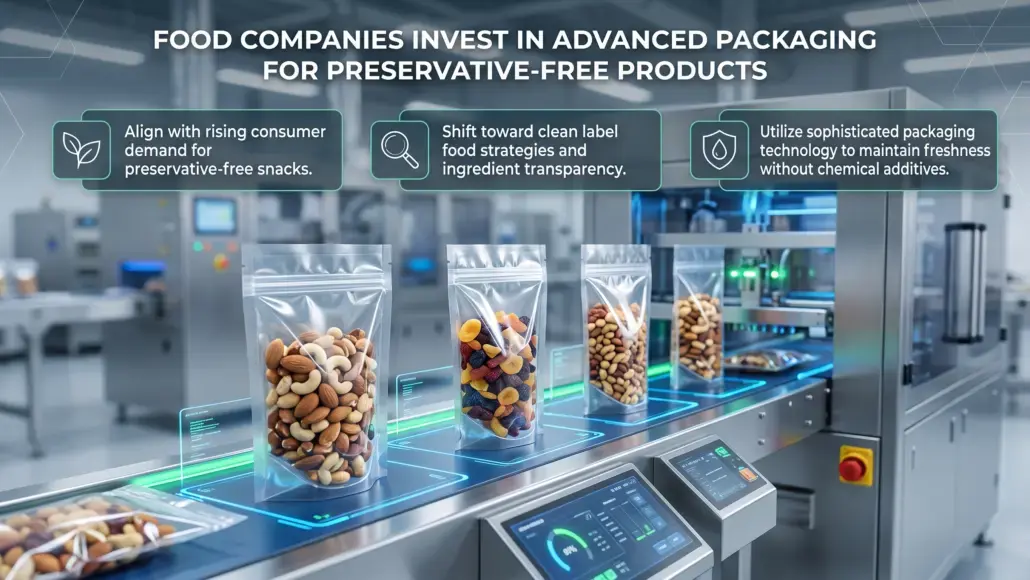

Food manufacturers in India are significantly increasing their investments in advanced food packaging to align with the rising consumer demand for preservative free snacks. As shoppers become more diligent about reviewing ingredient lists, the industry is shifting toward clean label food strategies. This transition involves utilizing sophisticated packaging technology to maintain product freshness and quality without the need for chemical additives. What was once a secondary concern has now become a central business strategy requiring substantial research and material investment.
The Adoption of Sophisticated Materials and Methods
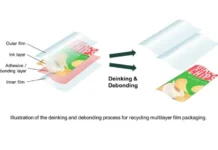
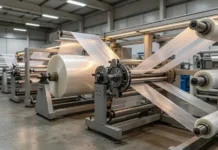
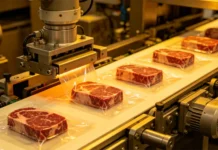
To ensure product longevity without synthetic preservatives, companies are implementing advanced food packaging trends such as nitrogen flushing, which replaces oxygen with inert nitrogen to prevent spoilage. Manufacturers are also moving toward multi-layer barrier films and recyclable mono-material laminates that provide high-level protection against oxygen and moisture. For example, certain organic dairy producers have adopted paperboard solutions featuring specialized coatings. These advanced food packaging trends are supported by a notable increase in research and development spending, with some specialized firms raising their R&D budgets by nearly 50% over the last three years to better navigate the regional supply chain environment.
Financial Implications and Market Pressures
The move toward high-quality packaging technology introduces specific financial challenges. Implementing these solutions can increase the cost per unit by 30% to 60% compared to traditional packaging methods. Within the food sector, food packaging costs typically represent between 10% and 40% of total product expenses, but for dairy and beverage enterprises, these costs can reach up to 50%. Companies are currently tasked with balancing these rising food packaging costs against their ability to maintain margins through premium pricing for clean label food.
Competitive Positioning and Consumer Engagement
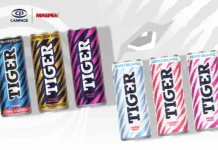
Large, integrated industry players often hold a competitive edge by utilizing in-house production capabilities for paperboard and materials, allowing for more rapid testing of new designs. Meanwhile, visual elements are becoming vital for market success, with minimalist aesthetics and clear typography used to communicate transparency to consumers. This approach is particularly effective for driving sales through digital commerce platforms. Ultimately, the ability of brands to offer preservative free snacks while managing operational expenses will be a critical factor for investors to monitor in upcoming fiscal reports.