



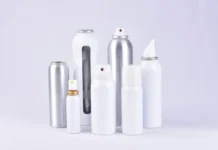







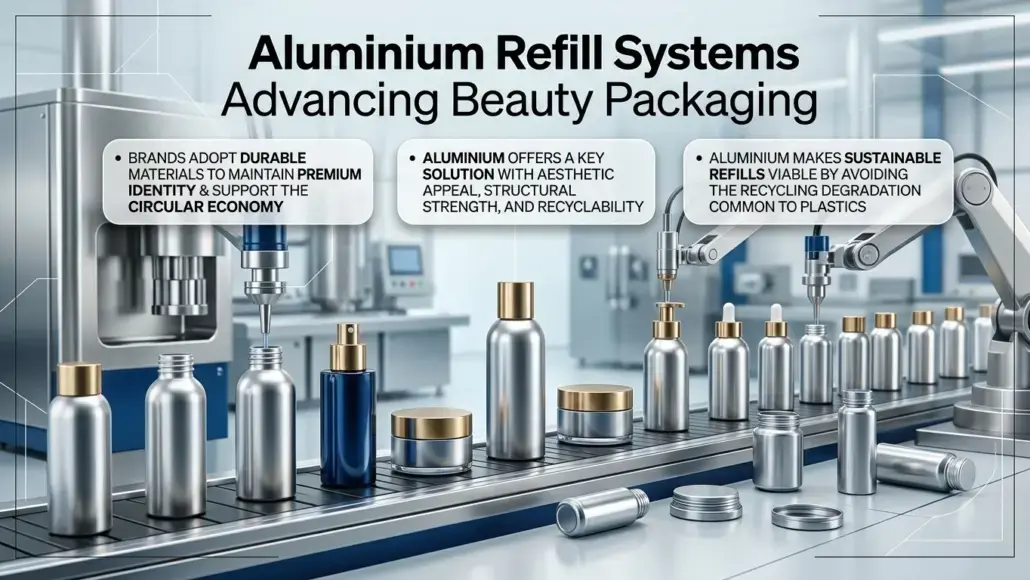
The luxury beauty and personal care sectors are currently witnessing a significant shift toward durable materials as brands attempt to align their premium brand identities with the demands of the circular economy. Among the various solutions being explored, aluminium refill systems have emerged as a leading contender due to the metal’s unique combination of aesthetic appeal, structural integrity, and recyclability. Unlike plastic, which often degrades in quality during the recycling process, aluminium can be recycled infinitely without a loss in performance. This makes it an ideal material for a permanent container that is designed to be kept by the consumer for years and refilled numerous times.
The transition to metal based systems requires a reevaluation of the entire package architecture. Traditionally, beauty products relied on complex multi material components, such as pumps with metal springs and plastic housings, which are notoriously difficult to recycle. By moving toward a mono material aluminium outer shell combined with a lightweight, recyclable refill insert, brands can significantly simplify the end of life management of their products. The inherent strength of the metal also allows for thinner wall thicknesses compared to glass or thick walled plastic, providing a lightweight yet premium feel that resonates with modern consumers who value both luxury and environmental responsibility.
Material Integrity and Corrosion Resistance in Beauty Formulations
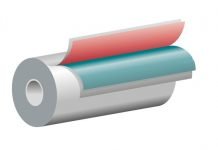
One of the most critical technical challenges in implementing aluminium refill systems for beauty products is ensuring the long term stability of the formulation inside the container. Many cosmetic products, particularly those containing high concentrations of water, essential oils, or active ingredients like Vitamin C, can be corrosive to untreated metal surfaces. Over time, the interaction between the product and the aluminium can lead to the leaching of metal ions into the formulation or the formation of pinholes in the container. To prevent this, manufacturers apply specialized internal coatings that act as a barrier between the product and the metal.
Epoxy-phenolic resins and more recently, BPA free alternatives, are commonly used as internal liners to provide the necessary chemical resistance. These coatings must be applied with extreme precision to ensure a uniform thickness across the entire interior surface, including the threads and neck area. Any defect in the coating can become a site for corrosion, potentially compromising the integrity of the product. The development of these liners is a sophisticated area of packaging engineering, as they must be flexible enough to withstand the impact of shipping and handling while remaining inert and non reactive over the life of the container.
In addition to chemical resistance, the internal surface must be designed to facilitate the complete evacuation of the product. High viscosity creams and serums can sometimes stick to the walls of the container, leading to product waste and consumer frustration. Manufacturers are exploring the use of omniphobic coatings that reduce the surface energy of the liner, allowing the product to slide out more easily. This not only improves the consumer experience but also ensures that the container is cleaner when it is returned for refilling or recycling, simplifying the sanitization process.
Engineering Precision for Premium Aesthetic and Functional Requirements
In the beauty industry, the visual and tactile qualities of the packaging are often as important as the product itself. Aluminium offers a wide range of decoration possibilities that are difficult to achieve with other materials. Techniques such as impact extrusion allow for the creation of unique shapes and textures, while anodizing provides a durable, high quality finish in a variety of colors. The metallic sheen of aluminium is inherently associated with quality, making it a natural choice for high end brands looking to differentiate themselves on the shelf.
Precision engineering is required to ensure that the refill mechanism functions smoothly and reliably. The fit between the outer aluminium shell and the internal refill pod must be perfect to prevent rattling or leaking. This often involves the use of tight tolerances in the manufacturing of the screw threads and neck finishes. Brands are increasingly moving away from simple screw caps toward more sophisticated dispensing systems, such as airless pumps that protect the formulation from oxidation. Integrating these pumps into an aluminium shell requires careful consideration of the interaction between the different components to ensure that the entire system remains functional over hundreds of uses.
The durability of the external decoration is another key consideration for a reusable container. Unlike single use packaging, where the label only needs to last for a few months, the finish on an aluminium refillable bottle must resist scratching, fading, and chemical spills over several years. High performance lacquers and laser engraving are often preferred over traditional pressure sensitive labels, as they provide a more permanent and premium look. The ability of aluminium to maintain its aesthetic appeal even after repeated handling is one of its primary advantages in the luxury sector.
Closing the Loop through Specialized Collection and Recycling Schemes
The environmental benefits of aluminium refill systems are maximized when the material is kept within a closed loop. While aluminium has a high value in the traditional recycling stream, many small beauty containers can be lost during the automated sorting process at large scale facilities. To address this, some brands are establishing their own specialized collection schemes, where consumers can return empty containers directly to the store or via a mail back program. These collected items can then be sent to a dedicated recycler that is optimized for handling small, high quality aluminium components.
By controlling the collection process, brands can ensure a higher purity of the recycled material. The aluminium used in cosmetic packaging is often a high grade alloy that is prized for its formability and surface finish. If these containers are mixed with lower grade scrap, the quality of the resulting secondary aluminium is diminished. Dedicated loops allow for the production of “bottle to bottle” recycled content, where the material from old containers is used specifically to make new ones. This significantly reduces the need for primary aluminium production, which is an energy intensive process.
Collaboration between brands is also emerging as a way to scale these collection efforts. Instead of each company operating its own individual scheme, a group of brands can share a common infrastructure for the recovery and processing of their packaging. This not only reduces the cost for each participant but also makes it easier for the consumer to participate. The development of standardized return bins and digital tracking systems for these loops is an ongoing area of innovation, helping to increase the return rate and improve the overall efficiency of the circular economy in the beauty sector.
Life Cycle Assessment Comparison with Single Use Polymer Formats
To justify the higher initial cost and environmental footprint of producing an aluminium container, a detailed Life Cycle Assessment (LCA) is essential. The production of primary aluminium is more carbon intensive than the production of virgin plastic, but this is balanced by the metal’s superior recyclability and the fact that a single container can replace dozens of plastic bottles over its lifespan. Most LCAs indicate that an aluminium refillable system becomes more environmentally friendly than a single use plastic alternative after as few as three to five refill cycles.
The calculation of the environmental impact must also consider the transportation and cleaning of the refills. Using lightweight plastic or paper based refill pods can significantly reduce the shipping weight compared to sending a full new container. The energy and water used in the sanitization of the permanent aluminium shell must be weighed against the emissions avoided by not producing new plastic. As the energy grid becomes greener and water recycling technologies improve, the case for refillable systems becomes even stronger.
Additionally, the end of life phase of the LCA favors aluminium due to the high efficiency of the metal recycling process. Around 75% of all aluminium ever produced is still in use today, a testament to the material’s durability and value. In contrast, a large percentage of plastic packaging ends up in landfills or the natural environment. By choosing aluminium refill systems, brands can ensure that their packaging has a defined and valuable end of life, contributing to a truly circular economy. The ongoing commitment to innovation in this area suggests that metal based refillable formats will continue to play a central role in the future of sustainable beauty packaging. Final success will depend on the ability to balance the technical requirements of product protection with the aesthetic and functional expectations of the premium market.

