





















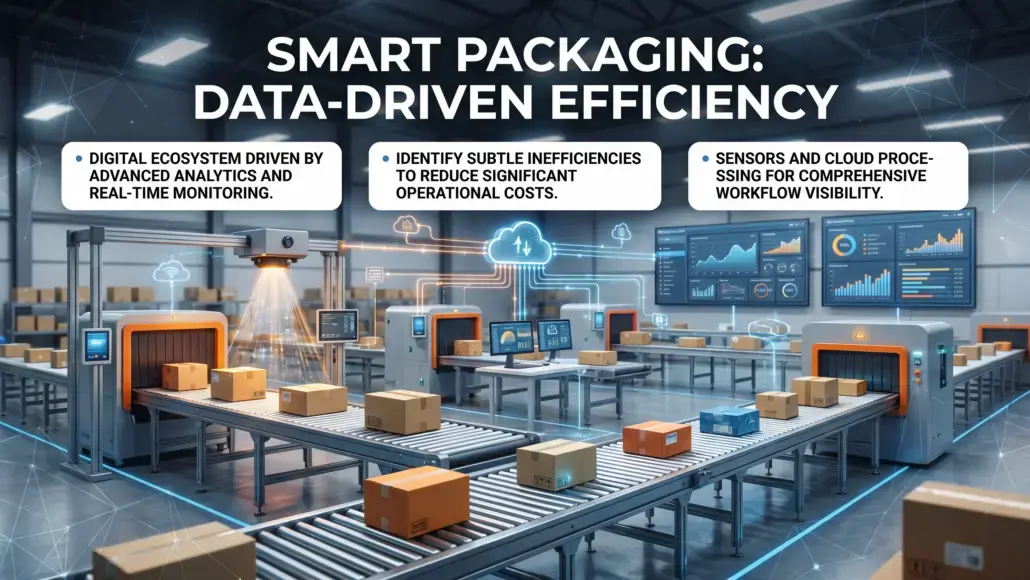

The transformation of the packaging industry into a digital centric ecosystem is being driven by the strategic application of advanced analytics and real time monitoring. Modern facilities are increasingly adopting data-driven packaging operations to gain a comprehensive understanding of their internal workflows and to identify the subtle inefficiencies that can aggregate into significant operational costs. By embedding sensors throughout the distribution chain and utilizing cloud based processing platforms, companies can now track the movement of every parcel with microscopic precision. This granular visibility is the cornerstone of contemporary logistics management, allowing for the optimization of everything from conveyor speeds to the allocation of human labor. The ability to convert raw data into actionable insights is no longer a luxury but a fundamental requirement for maintaining competitiveness in a global market defined by high volumes and tight margins. As the technology matures, the integration of data-driven packaging operations will continue to refine the logic of parcel distribution, creating a more responsive and resilient supply chain that can adapt to the complexities of the digital economy.
Telemetry Systems Capturing Real Time Packaging Metrics
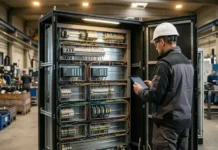
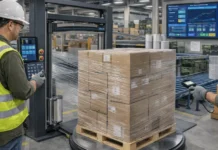
The foundation of data-driven packaging operations is the deployment of sophisticated telemetry systems that capture a continuous stream of metrics from every part of the facility. These systems utilize a network of Internet of Things sensors that are integrated into conveyors, sorting gates, scanning tunnels, and even the packaging materials themselves. These sensors monitor a wide range of variables, including parcel weight, dimensions, transit time, and environmental conditions such as temperature and humidity. This wealth of information is transmitted to a centralized data lake where it is processed and analyzed in real time, providing managers with a live dashboard of the facility’s performance. The ability to see exactly how parcels are moving through the system allows for the immediate identification of bottlenecks or equipment malfunctions that might otherwise go unnoticed for hours.
The use of telemetry also extends to the monitoring of the energy consumption of the facility’s machinery. By analyzing the power usage patterns of different sorting lines, engineers can identify opportunities for energy savings, such as shutting down idle equipment during periods of low volume. The data collected by these sensors is also vital for ensuring the integrity of the packaging process, as it can detect if a parcel has been mishandled or if a container has been compromised. This proactive approach to quality control reduces the number of damaged goods and improves the overall reliability of the service. The constant flow of metrics creates a high fidelity digital twin of the packaging center, allowing for the simulation of new workflows and the testing of “what if” scenarios without disrupting actual operations. This predictive capability is a key advantage of data-driven packaging operations, enabling facilities to prepare for future challenges with a high degree of confidence.
Analytical Frameworks for Bottleneck Identification
Identifying the root causes of inefficiency is a complex task in a high volume distribution center, but data-driven packaging operations provide the analytical frameworks necessary to isolate and address these issues. By applying machine learning algorithms to historical transit data, analysts can pinpoint the exact locations where delays are most likely to occur. These bottlenecks are often the result of subtle mismatches between the capacity of different sorting segments or the inefficient sequencing of parcel arrivals. Once identified, these issues can be addressed through targeted interventions, such as reconfiguring the routing logic or adding additional sorting capacity to a specific lane. The ability to measure the impact of these changes in real time ensures that the facility is always moving toward a state of optimal performance. AI-driven parcel processing is also helping packaging facilities improve workflow efficiency by identifying operational bottlenecks and optimizing parcel movement in real time.
Analytical frameworks also allow for the optimization of the labor force within the packaging hub. By matching staffing levels to the predicted volume of incoming parcels, managers can ensure that they have the right number of people in the right places at all times. This prevents the costly scenarios where workers are idle during slow periods or overwhelmed during sudden surges in demand. The data can also be used to identify high performing teams and to share their best practices across the entire organization. This focus on data-led management creates a culture of continuous improvement, where decisions are based on empirical evidence rather than intuition. As the volume of data generated by packaging operations continues to grow, the sophistication of these analytical tools will only increase, providing even deeper insights into the dynamics of the global distribution network.
Performance Benchmarking Across Distributed Processing Nodes
For companies that operate multiple distribution centers, data-driven packaging operations facilitate a level of performance benchmarking that was previously impossible. By standardizing the metrics collected across all facilities, organizations can compare the efficiency of different hubs and identify the top performers within their network. This cross facility analysis is vital for identifying systemic issues that may be affecting the entire supply chain, such as problems with a specific supplier’s packaging or inefficiencies in the regional transport network. The ability to see how different facilities handle similar challenges provides a wealth of information that can be used to improve the overall resilience of the organization.
Benchmarking also plays a critical role in the strategic planning of future capacity. By analyzing the long term trends in parcel volumes and processing speeds, companies can make informed decisions about where to invest in new infrastructure or where to upgrade existing equipment. The data-driven approach ensures that capital expenditure is directed toward the projects that will provide the greatest return on investment, based on the actual needs of the business. The integration of external data sources, such as market trends and economic indicators, further enhances the accuracy of these long term forecasts. This comprehensive view of the packaging sector allows for the creation of a more agile and responsive business model that can traverse the uncertainties of the global marketplace. The transparency provided by shared performance metrics also fosters a spirit of healthy competition between facilities, driving innovation and productivity gains across the entire organization.
Enhancing Resource Allocation Through Granular Data Insights
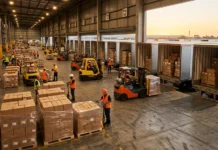
The allocation of physical and human resources is one of the most significant challenges in parcel distribution, and data-driven packaging operations provide the granular insights required to optimize this process. By analyzing the characteristics of the parcels passing through the system, such as their size, weight, and destination, the system can determine the most efficient way to group items for transport. This optimization extends to the loading of delivery vehicles, where the data can be used to create high density load plans that maximize the utilization of every truck. The reduction in the number of vehicles required to transport the same volume of goods results in significant cost savings and a smaller environmental footprint.
Granular data also allows for the personalization of the packaging process for specific clients or product types. For example, high value items can be assigned to specialized sorting lines that feature additional security and monitoring. Fragile items can be routed through paths that minimize mechanical stress and physical handling. This level of customization is a key competitive advantage in the B2B sector, as it allows packaging companies to offer a wider range of services that meet the unique needs of their partners. The ability to provide detailed reports on the transit history and condition of every parcel also enhances the trust between the logistics provider and the customer. The transparency of data-driven packaging operations is thus a powerful tool for building long term business relationships and for ensuring the highest levels of service quality. As the industry moves toward more collaborative and integrated supply chains, the ability to share these data insights with partners will become an essential part of the value proposition.
Security and Integrity of Logistics Information Streams
As packaging operations become more data dependent, the security and integrity of the information streams that govern them become a top priority. Data-driven packaging operations must be supported by a resilient cybersecurity architecture. that protects sensitive parcel and customer data from unauthorized access. This involves the use of encryption for data in transit and at rest, as well as the implementation of strict access controls for all users of the system. The integrity of the data is also essential, as even minor errors in the information flow can lead to significant operational disruptions. Regular audits and the use of blockchain technology for critical data points can provide an additional layer of verification, ensuring that the information used to manage the facility is accurate and tamper proof.
The resilience of the data infrastructure is another critical consideration, as any downtime in the analytical platforms can bring the entire packaging operation to a halt. Companies are increasingly investing in redundant cloud services and onsite edge processing to ensure that the facility can continue to operate even if the primary connection to the central servers is lost. This decentralized approach to data management improves the overall reliability of the system and reduces the latency involved in making real time routing decisions. The evolution of data-driven packaging operations thus involves a constant balancing act between the need for high speed information flow and the requirement for absolute data security. By building a secure and resilient digital foundation, packaging companies can ensure that they are well positioned to use the power of data for decades to come. The ongoing investment in information technology is a clear indication that the future of the packaging sector is digital, and that the successful companies of tomorrow will be those that can master the art of data-led logistics.