
























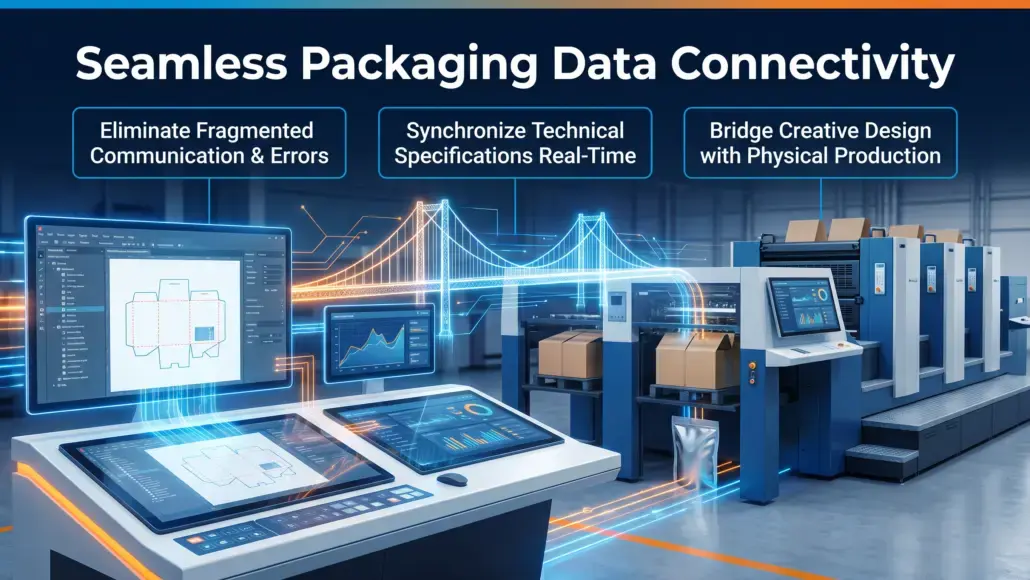

The synchronization of technical specifications between brand owners and their conversion partners represents a critical frontier in modern production management. Historically, the exchange of artwork files and structural data relied on fragmented communication channels, leading to significant delays and high error rates during the transition from design to physical production. By implementing packaging data connectivity, organizations can bridge the gap between creative intent and manufacturing reality, ensuring that every stakeholder operates from a single, unified source of truth. This integration is not merely a matter of file transfer; it involves the deep alignment of metadata, color profiles, and substrate requirements that define the physical characteristics of the final product.
In the contemporary packaging environment, the speed of product launches is often dictated by the efficiency of the prepress and conversion stages. When brand owners maintain siloed data environments, converters are forced to manually interpret design files, a process that inherently introduces risk. Direct integration of these data streams eliminates these manual touchpoints by allowing for the automated ingestion of structural and graphic parameters into the converter’s production systems. This technical handshake ensures that the design intent is preserved throughout the conversion process, from plates and dies to final printing and finishing. The resulting reduction in rework and scrap provides a measurable impact on the overall efficiency of the packaging value chain.
Integrating Technical Specifications Across the Value Chain
The foundation of a successful brand to converter relationship lies in the clarity of technical requirements. Traditional methods of sharing these requirements often involve static documents that quickly become outdated as design iterations progress. By establishing a framework for packaging data connectivity, brand owners can transmit dynamic specifications that reflect real time changes in design or regulatory requirements. This includes structural dimensions, material compositions, and specific printing instructions that are essential for the converter to execute the job correctly the first time. The transition to digital specification management allows for a more fluid exchange of information, where updates are automatically propagated to the production floor without the need for manual intervention.
Additionally, the integration of these specifications facilitates a better understanding of the constraints inherent in the conversion process. Converters can provide feedback on the manufacturability of a design earlier in the cycle, allowing brand owners to make adjustments before significant costs are incurred. This collaborative approach, supported by reliable data links, ensures that the final packaging is both aesthetically pleasing and technically viable. The ability to share detailed substrate information and ink formulations through a connected system also enhances color consistency, as the converter can calibrate their equipment based on the precise data provided by the brand. This level of technical alignment is essential for maintaining brand integrity across global markets where production conditions may vary significantly.
Reduction of Latency in Technical Artwork Approvals
The approval cycle for packaging artwork is frequently cited as one of the most time consuming aspects of the prepress workflow. Multiple rounds of revisions and approvals between the brand owner, design agency, and converter can lead to weeks of delays if not managed effectively. Through the application of these digital links, this process is streamlined by providing all parties with access to the same digital assets and version history. Automated notifications and real time status tracking ensure that bottlenecks are identified and addressed immediately, preventing the production schedule from slipping. The use of digital annotations and collaborative tools within a connected environment also improves the quality of feedback, reducing the number of revision cycles required to reach final approval.
Reducing latency in these cycles is particularly important for fast moving consumer goods companies that must respond rapidly to market trends or competitive actions. By shortening the time from artwork creation to production readiness, brands can achieve a faster time to market, gaining a significant advantage in the retail space. The connectivity between the brand’s asset management system and the converter’s prepress software allows for the direct transfer of approved files, eliminating the risks associated with manual file handling. This direct path to production ensures that the version of the artwork that was approved by the brand is exactly what is printed by the converter, maintaining high standards of quality and compliance.
Implementation of Real Time Feedback Loops for Converters
Effective communication during the production phase is essential for mitigating risks and ensuring that the final output meets the brand’s expectations. Packaging data connectivity enables the establishment of real time feedback loops, where converters can report on production status and quality metrics directly to the brand owner. This transparency allows brand managers to monitor the progress of their jobs without having to rely on manual reports or telephone calls. In the event of a production issue, such as a color deviation or a material defect, the system can trigger an immediate alert, allowing for rapid intervention and resolution. This proactive approach to quality management reduces the likelihood of product recalls or rejections at the retail level.
The data generated through these feedback loops also provides valuable insights into the performance of different converters and production lines. Brand owners can analyze this data to identify patterns of inefficiency or recurring quality issues, enabling them to make more informed decisions about their sourcing strategies. For converters, the ability to demonstrate high levels of production accuracy and reliability through data can lead to stronger partnerships and increased business from brand owners. The mutual benefits of this transparency foster a culture of continuous improvement, where both parties work together to optimize the packaging workflow and deliver superior results.
Optimization of Substrate Compatibility via Digital Links
The relationship between the graphic design and the physical substrate is one of the most complex aspects of packaging production. Different materials, from corrugated board to flexible films, react differently to inks and printing processes. This level of integration allows brand owners to share detailed information about the intended substrate with the converter, who can then adjust their prepress settings accordingly. This includes information on surface tension, absorbency, and structural strength, all of which impact the final appearance and performance of the package. By aligning the digital representation of the design with the physical realities of the material, the system ensures that the final product matches the brand’s vision.
This optimization is especially critical when brands are transitioning to more sustainable materials, which may have different printing characteristics than traditional substrates. Digital links allow for the rapid exchange of test results and calibration data, enabling converters to fine tune their processes for new materials without extensive trial and error. The ability to store and retrieve these calibration profiles within a connected system ensures that future production runs are consistent, even if they are executed on different equipment or at different locations. This level of technical control is a hallmark of a mature digital workflow, where data serves as the foundation for manufacturing excellence.
Future Trends in Automated Packaging Data Exchange
As the packaging industry continues to embrace digital transformation, the scope of these digital specifications is expected to expand beyond the immediate brand to converter link. We are seeing the emergence of broader ecosystems where data is shared across the entire supply chain, from raw material suppliers to retailers and recyclers. This holistic approach to data exchange will enable even greater efficiencies, such as the automated tracking of carbon footprints and the optimization of logistics based on real time production data. The integration of artificial intelligence and machine learning into these connected systems will further enhance decision making, providing predictive insights into production risks and market demands.
The move toward standardized data formats and communication protocols will be a key enabler of this future state. By adopting industry wide standards, organizations can ensure that their systems are interoperable, allowing for the seamless exchange of data between different software platforms and hardware components. This interoperability is essential for global brands that work with a diverse network of conversion partners across different regions. As these technologies mature, the ability to maintain a high degree of connectivity will become a prerequisite for success in the packaging sector, driving innovation and sustainability in an increasingly complex global market. The investment in reliable data infrastructure today will provide the foundation for the agile and responsive packaging workflows of tomorrow.
The focus on connectivity reflects a broader shift toward data centricity in manufacturing. By treating packaging specifications as valuable data assets rather than static documents, brands and converters can achieve a level of operational synchronization that was previously unattainable. This transition requires a commitment to technical excellence and a willingness to collaborate across organizational boundaries, but the rewards in terms of efficiency, quality, and speed to market are substantial. As the industry moves forward, the strength of these digital connections will define the leaders in the packaging space, setting new benchmarks for performance and reliability in a highly competitive environment. Finalizing these workflows through integrated data systems ensures that the transition from concept to consumer is as efficient as possible, maintaining the high standards expected by modern audiences.