























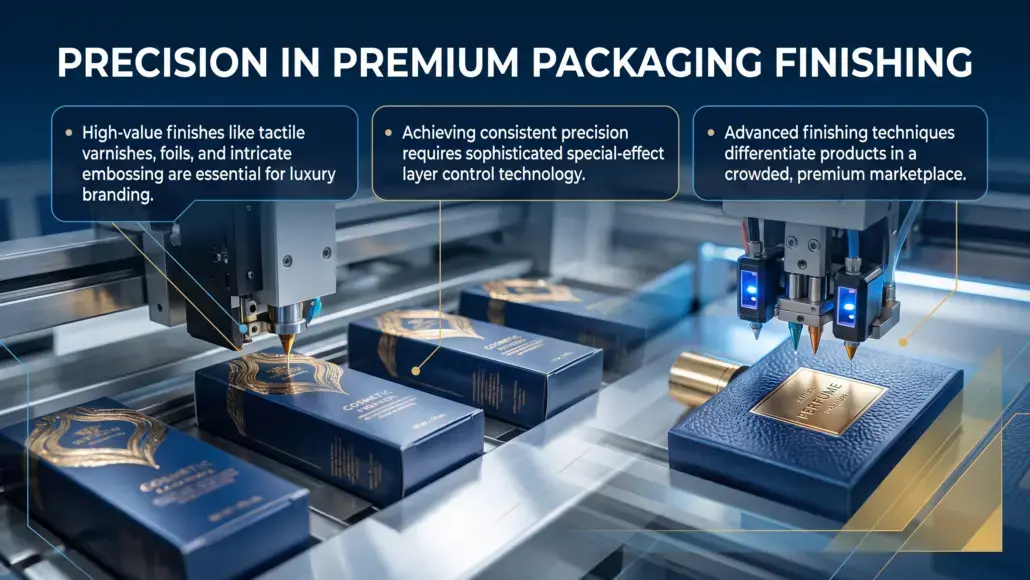

The premiumization of packaging is a significant trend across the global retail sector, as brands look for ways to stand out in an increasingly crowded marketplace. The use of high-value finishes such as tactile varnishes, metallic foils, and intricate embossing has become a standard requirement for luxury goods, cosmetics, and specialty food products. Achieving the necessary level of precision for these embellishments requires a sophisticated approach to special-effect layer control. This involves the meticulous management of the digital files and physical application processes that govern where and how these effects are applied. Without rigorous control, even the most beautiful design can be ruined by poor registration or inconsistent application, leading to significant waste and the loss of premium-tier revenue. By integrating advanced control systems into the prepress and finishing stages, converters can ensure that every special effect is placed with absolute accuracy, enhancing the perceived value of the package and the brand it represents.
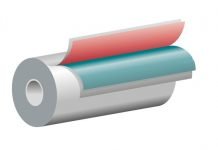
Technical management of these layers begins at the design phase, where each special effect is assigned to a specific technical separation. The complexity arises when these effects must interact with the primary graphics or with one another, such as a spot varnish applied over a metallic foil. The implementation of special-effect layer control ensures that the trapping and overprint settings for these layers are correctly configured to prevent unwanted gaps or bleeding. Additionally, the use of automated verification tools allows converters to check for the correct thickness and viscosity of coatings, both of which are critical for achieving the desired tactile or visual impact. As finishing equipment becomes more sophisticated, incorporating digital inkjet heads and precise laser cutting, the need for high-fidelity control over every layer becomes even more paramount.
The synchronization of the finishing equipment with the printed web is the ultimate test of any control strategy. In high-speed production environments, minor fluctuations in web tension or substrate stability can lead to registration errors that are magnified when multiple layers of special effects are involved. By utilizing special-effect layer control systems that incorporate real-time camera inspection and automated registration adjustment, converters can maintain the tightest possible tolerances. This ensures that a foil stamp or a spot gloss is perfectly aligned with the printed image, creating a seamless and high-impact visual experience for the consumer. The ability to deliver these complex, multi-stage finishes with consistent quality is what separates elite packaging providers from their competitors, allowing them to command higher margins and build long-term relationships with prestigious global brands.
Registration Integrity in Multi-Stage Finishing
The core challenge in premium packaging finishing is the maintenance of registration across different machines and processes. Often, a package is printed on a flexographic or offset press and then moved to a separate unit for foiling, embossing, or coating. The implementation of special-effect layer control across these disparate steps requires a unified digital workflow that tracks the position of the image with extreme precision. Using marks and sensors that are specifically designed for high-contrast finishes ensures that the finishing equipment can accurately locate the target area, even on reflective or textured substrates. This level of technical coordination prevents the “drift” that can occur during long production runs, ensuring that every unit meets the same exacting standards.
Beyond the physical alignment, the chemistry of the interaction between layers is a vital component of the control process. For example, a UV varnish may behave differently when applied over a specific ink set or on a substrate with high surface energy. Effective special-effect layer control involves the testing and validation of these interactions before full-scale production begins. By establishing clear parameters for curing times, adhesive strengths, and surface tension, converters can avoid the delamination or “cratering” effects that can plague poorly managed finishing runs. This proactive approach to process control ensures that the finished package is not only beautiful but also durable enough to withstand the rigors of the supply chain and the handling of the consumer.
The role of the operator in this process is also changing, as they shift from manual adjustments to the management of automated systems. A well-implemented special-effect layer control strategy provides the operator with real-time data on the performance of the equipment, allowing them to make informed decisions and prevent defects before they occur. This data-driven approach reduces the reliance on individual experience and ensures a more consistent output across different shifts and facilities. As the packaging industry faces a shortage of skilled labor, the ability to automate these complex processes becomes a critical factor in maintaining production capacity and quality levels. The investment in these advanced control tools is thus a strategic necessity for any business looking to lead in the premium packaging segment.
Visual Impact and Tactical Precision
The primary goal of any special effect is to create an emotional connection with the consumer through visual and tactile stimulation. Achieving the right “feel” for a soft-touch coating or the specific brilliance of a holographic foil requires a level of precision that goes beyond simple registration. Through the use of special-effect layer control, converters can manage the volume and distribution of the finishing materials to achieve the exact look and feel specified by the brand owner. This might involve the use of specialized screening patterns to create a gradient of gloss or the adjustment of embossing pressure to achieve a specific depth of texture. By mastering these variables, converters can bring the brand’s vision to life with a level of fidelity that was previously unimaginable.
Additionally, the consistency of these effects across different SKUs and production batches is essential for maintaining brand identity. A brand owner expects that their gold foil will look identical whether it is on a small cosmetic tube or a large retail carton. The implementation of spot color control improving brand color reproduction across packaging is a complementary discipline that ensures the underlying colors and the special effects are in perfect harmony. By managing the entire visual palette, from the base inks to the final embellishments, through a unified control framework, converters can guarantee a consistent and high-quality presentation for the brand. This level of comprehensive quality assurance is a key driver of customer loyalty and business growth in the competitive packaging market.
Environmental considerations are also becoming a major factor in the selection and application of special effects. Many brand owners are looking for sustainable alternatives to traditional plastic laminates and metallic foils. The development of recyclable coatings and transfer foils has provided new options, but these materials often require different processing parameters. Special-effect layer control allows converters to adapt their processes to these new materials, ensuring that the sustainability goals of the brand are met without compromising on the visual impact of the package. The ability to offer high-end finishes that are also environmentally friendly is a powerful competitive advantage in today’s market, where sustainability is a primary concern for both brands and consumers.
Automated Inspection and Quality Assurance
The final stage of any finishing process is the rigorous inspection of the finished product to ensure that it meets all quality specifications. In high-speed packaging lines, manual inspection is no longer feasible or reliable. The implementation of automated inspection systems as part of a special-effect layer control strategy allows for the 100% inspection of every unit produced. These systems use high-resolution cameras and advanced algorithms to detect even the smallest defects, such as missing foil, misaligned varnish, or inconsistent embossing depth. By catching these issues in real-time, converters can reduce the amount of waste and prevent defective products from reaching the customer.
The data generated by these inspection systems provides valuable insights into the performance of the production process. By analyzing the types and frequency of defects, converters can identify the root causes of quality issues and take corrective action. For example, a recurring registration error might indicate a need for maintenance on a specific machine, or a variance in coating thickness might suggest a problem with the ink delivery system. This feedback loop is a core component of a modern, data-driven packaging operation that is committed to continuous improvement. The transparency provided by these systems also builds confidence with brand owners, who can receive detailed quality reports that document the excellence of the production run.
Looking to the future, the integration of artificial intelligence into inspection and control systems will further enhance the precision of packaging finishing. AI algorithms can learn to recognize subtle patterns and predict potential issues before they result in defects. For example, the system could automatically adjust the drying temperature or the web tension based on the specific characteristics of the substrate and the special effect being applied. These developments will push the boundaries of what is possible in premium packaging, allowing for even more complex and innovative designs. The ongoing investment in special-effect layer control is thus a commitment to the future of the industry, ensuring that converters have the tools and expertise to thrive in a rapidly changing and increasingly demanding marketplace.
Strategic Value of Finishing Excellence
Finally, the mastery of special-effect layer control is a fundamental requirement for any packaging converter seeking to excel in the premium and luxury market segments. By bridging the gap between digital design and physical finishing, these tools provide a level of security and efficiency that is essential for success. The benefits of this process extend across the entire production cycle, from the initial design phase to the final inspection of the finished package. As brands continue to use packaging as a primary tool for differentiation and consumer engagement, the importance of precise and high-impact finishing will only continue to grow. Those who embrace these tools and integrate them into their core workflows will be well-positioned to lead the industry into the future, delivering products that are both beautiful and technically perfect.
The strategic value of these capabilities cannot be overstated. A converter that can reliably deliver complex, high-quality finishes becomes a trusted partner to the brand owner, rather than just a supplier of commodity packaging. This partnership is based on a shared commitment to quality, innovation, and brand integrity. The ability to solve complex technical challenges and deliver superior results is what creates long-term value in the packaging industry. As the market continues to evolve, the focus on precision and control will remain the foundation of excellence. The journey toward finishing perfection is ongoing, and the tools of special-effect layer control are the key to enableing the full potential of modern packaging design.
Finally, the impact of these technologies on the bottom line is clear. By reducing waste, improving efficiency, and allowing for higher pricing on premium products, advanced control systems provide a strong return on investment. The ability to operate at peak performance, even with the most demanding designs and materials, is the ultimate competitive advantage. For converters who are willing to invest in the technology and the talent required to master these processes, the rewards are substantial. The future of packaging is one of total precision, where every layer and every effect is controlled with absolute certainty, creating a finished product that truly represents the best of what the industry has to offer.