













We make you realise that the world is undoubtedly a global village, with endless options. Because of its lightweight, durable, and recyclable properties, polyethylene terephthalate (PET) packaging is now among the most requested materials. As businesses and industries across the globe move towards sustainable practices in the packaging alternatives marketplace, the PET packaging market has seen a massive rise-over the past few years, driven by changing consumer demand and feedback and an evolution of conventional packaging systems.
The evolution of packaging has always been driven by consumer preferences. In recent years, awareness around environmental sustainability is on the rise, and changing lifestyles have contributed to a recent paradigm shift in how consumers feel about packaging, particularly within food, beverage, and personal care segments. Manufacturers have been navigating these trends to create more environmentally sustainable, safer, and more accessible packaging solutions.
A recent report estimates the global PET packaging market will grow at a compound annual growth rate (CAGR) of ~4.6% from 2023 to 2030, and the market value is projected to exceed USD 100 Billion by the end of the decade. These numbers reflect not only the market’s resiliency, but also its adaptability to consumer-driven changes.
PET Packaging market based on product type, end-users, and regions.
Consumers today are much more educated and selective when it comes to what they buy and are playing a role in buying decisions based on sustainability and convenience. These attitude shifts have done wonders for the PET packaging market. The recyclability of PET packaging, combined with its effectiveness at preserving and protecting products, has positioned PET as the go-to packaging choice for brands that want to align their packaging strategy with consumer expectations.
Sustainability: The Still-Strongest Force of Consumer Preference The increase in awareness of climate change and the consequential effects on the environment has motivated the consumers to look for sustainable packaging options. One such narrative is that of PET plastic packaging which is fully recyclable and can be recycled into many composite products. As for the US, the National Association Road Chicken Container Resources (NAPCOR) reports that more than 28% of PET bottles were recycled in 2022, a number that is expected to continue to rise as industries and governments pressure sustainability standards.
Besides being eco-friendly, PET packaging proves that convenience and practicality are yet another reason consumers value this highly in their fast-paced lifestyle. It is Lightweight as it can easily be carried and handled, and its lasting nature makes it an ideal choice for protecting products. PET is transparent, which enhances trust and satisfaction, as consumers get to see the product before purchasing.
PET Packaging and its Role in the Food and Beverage Industry
The largest segment responsible for the growth of the PET packaging market is food and beverage industry. PET bottles, jars, and vessels find essential usage for packaging consumable items for water, carbonated beverages, juices, sauces and many others. Not to mention, PET’s ability to make packaging airtight and tamper-proof contributes to prolonging shelf life and ensuring safety and hygiene, two crucial factors within the food and beverage sector.
Consumer trends in this category show a growing demand for single-serve and on-the-go products. This trend is most prominent in urban settings, where busy lifestyles demand simplicity. This demand is fully satisfied by PET bottles and containers as they are easy and light to carry. Moreover, with the increasing trend for health and organic products, PET packaging gives the transparency that consumers want to check product authenticity.
Pet Accounted for More Than 70% Of All Bottled Water Packages In 2023, Global Bottled Water Sales Increased By 7.3% Year-On-Year. Likewise, demand for carbonated soft drinks and ready-to-drink products further driving usage of PET Packaging. Additionally, the increasing consumption of functional beverages, including energy drinks and protein shakes, has driven the market growth, where PET has been widely preferred by the manufacturers owing to its versatility and cost-effectiveness.
Pioneering Growth in the PET Packaging Market
The PET packaging market is characterized by significant innovation, with manufacturers aiming to satisfy evolving consumer demands while also tackling environmental issues. New technology related to PET has resulted in lighter, more sustainable packaging. Fortunately, rPET (recycled PET) was finding a home, helping companies minimize their carbon footprint and lower their packaging quality.
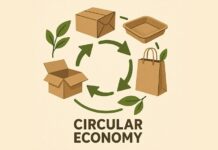
This is a significant step that accompanies companies such as Coca-Cola or Nestlé, which are betting big on rPET for packaging. Coca-Cola, for example, has committed that 100% of its packaging will be recyclable by 2030, and PET is the star player in this goal. Likewise, Nestlé has pledged to incorporate 50% recycled content in itspet packaging by 2025. These initiatives reflect the increasing prominence of circular economies in the sphere of packaging, where materials are repeatedly repurposed to reduce waste.
Smart packaging solutions is another trend being adopted by this sector. As a way to have a better engagement of consumers and provide product details, interactive labels, QR codes and intelligent sensors are being integrated into PET packaging. For example, consumers can scan QR codes displayed on PET bottles in order to learn about a product’s sustainability practices or nutritional information, promoting transparency and trust.
Trends and Insights of the Regional Market
PET Packaging Market Overview and Analysis: The PET Packaging market is developing with divergent growth in each area. Led by industrialization, urbanization, population growth and increasing disposable income, Asia-Pacific continues to be the largest global market and the fastest growing region. China and India are some of the leading countries contributing to the rising demand for PET packaging due to the rapid growth of food and beverage industry and awareness of environmental effects among the population.
The market share of North America and Europe is substantial here, too; they are heavily engaged in sustainability and recycling. Government regulation and organizational intent to minimize plastic use are fostering the implementation of sustainable PET alternatives in these regions. For example, the European Union’s directive mandating all plastic beverage bottles to consist of a minimum of 25% recycled material by 2025 has driven the rPET development and usage in the region.
Emerging markets (in places like Latin America and Africa) are also growing, less dramatically. The penetration of modern retail formats and changing consumer lifestyles in these regions are likely to propel demand for PET packaging in the next few years.
Challenges and Future Outlook
The PET packaging market has a lot of potential; however some challenges shall also be faced. SHREWSBURY, England – Plastic waste management is a complex and important issue, with much of the world lacking adequate or effective recycling infrastructure, stalling and frustrating sustainability efforts. Moreover, volatile raw material costs coupled with increasing market share of PET alternatives like glass and aluminum create headwinds for PET producers.
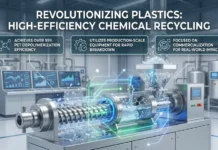
However, the PET packaging market is expected to grow at a positive growth rate due to continuous innovation and a strong focus on sustainability. The market has yet to see mass adoption of state-of-the-art recycling technologies, like chemical recycling, which can transform PET waste into virgin-quality raw materials; however, this is forecast for 2030. These innovations will not just bolster the market’s sustainability credentials but also create new growth opportunities.
Conclusion
PET Packaging Market Leading the World Needs of Sustainable Innovative Packaging Solutions Consumer habits are changing, as new generations become savvier about climate-related issues with a continued demand for effortless convenience, but there is no denying that PET packaging is a popular, adaptable, and sustainable option.
Key factors driving the growth of the rPET market include strong growth across major sectors including food and beverages, advances in recycling technologies and increasing adoption of rPET. Manufacturers can likewise realise the potential of the PET packaging industry and harness a green and sustainable tomorrow for the packaging sector by ensuring that their tactics speak to consumer expectations.