



















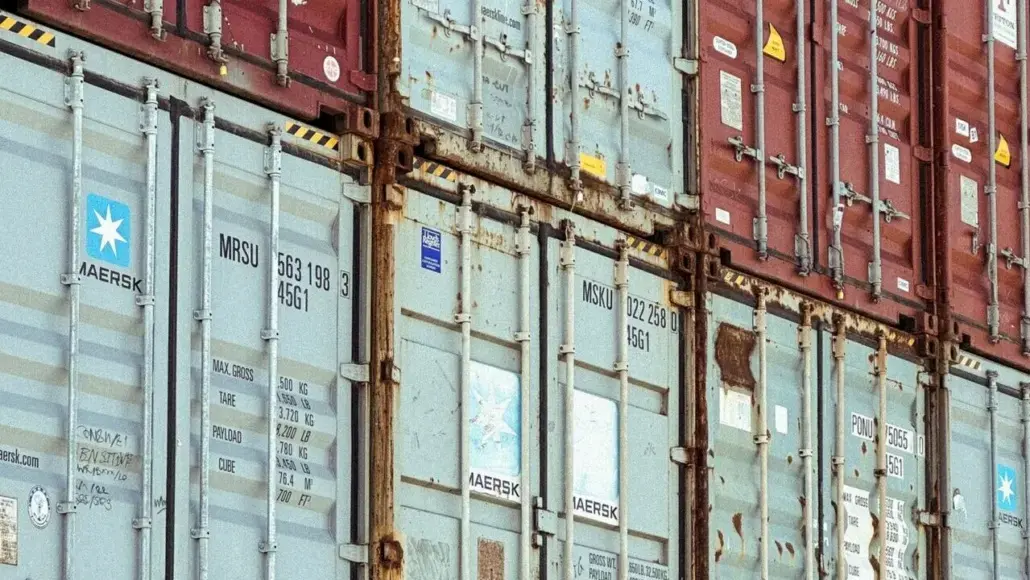

As we can see on the factory floor, metal components aren’t all that easy to rust. It takes years in most cases. But in transit? It seems like years are counted in weeks.
During a six-week ocean crossing, sealed inside a steel box, rust is a plague on metals. There’s nobody around to spot the blight of the sea air’s work until the container doors open upon arrival.
Wet containers cost you
A container moves between climates, so it’s actually the instability which is the foundational issue. Researchers have found relative humidity inside sea containers swings between roughly 40% and 90% in just one voyage.
It’s the swing that causes condensation onto cold metal surfaces. If it were 90% consistently, it may be less of an issue. Bearings, machined parts, fasteners, electronics housings, these are what get exposed to that cycle for weeks at a time. It’s a cumulatively damaging process.
The cost of this corrosion is perhaps more than any of us would first guess. A federal study put the cost of metallic corrosion at $276 billion a year just in the US. Global logistics networks carry a big share of global corrosion because goods now travel further and through more climate zones than they used to. The cost used to end up getting passed on to the customer in many cases, but now it’s a point of competition, so the logistics company that falls victim to corrosion now absorbs its costs.
Why protection fell short
The old way of tackling this was with the following:
- Grease coatings
- Desiccant bags
- Shrink-wrap.
It helped but it was more damage limitation than corrosion-proof. It saved some money, but of course, grease needs degreasing on arrival which adds labor cost at the receiving end.
Desiccants stop absorbing moisture when they finally saturate, so on a long voyage, this is no good unless someone swaps them over.
Shrink wrap isn’t perfect, is terrible for the environment, and incurs labor cost to dewrap.
None of these methods stop the chemical process of oxidation once humidity is already present in the enclosed space.
The case for vapor-phase protection
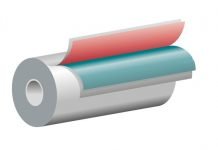
This is where Volatile Corrosion Inhibitor tech has helped save a lot of money. VCI materials release a controlled vapor that forms a molecular layer around the exposed metal surfaces. It’s protective and even gets in the internal cavities and recesses, which sprays or coatings can’t get to.
There’s no oil film to wipe down after, no desiccant to monitor, and no manual intervention needed mid-shipment. Industrial packaging upgrades are mostly now revolving around specialists offering VCI anticorrosion packaging, which extends dry, chemical-free protection for the full duration of transit. The potential global savings are mighty.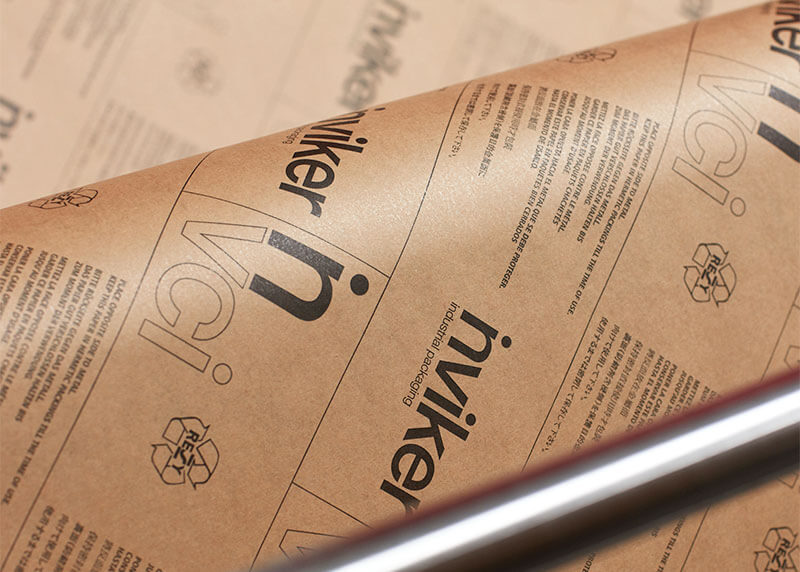
A smarter standard for global shipping
Rust prevention through vapor-phase technology is actually something that fits into broader sustainability goals, which there has been a big push for over the past ten years. VCI films and papers are usually recyclable. There no real residue that calls for solvent cleanup, and not a huge amount of packaging waste that oil-based methods generate. As sourcing networks stretch further (especially in the current geopolitical volatility and route closures) and shipping times lengthen, protective packaging built around active vapor-phase inhibition is becoming expected within metals-heavy industries.
Corrosion during transit isn’t usually a manufacturing defect but a packaging gap. Closing it, before goods ever leave port, means that a shipment arrives ready to use rather than one that needs reworking and re-inspecting on arrival.