
















The multilayer flexible packaging is a sector within the global package industry that is on the precipice of exponential growth during this decade. The multilayer flexible packaging market is projected to reach an impressive valuation of USD 283.55 billion by 2034. This rapid expansion highlights the increasing demand for innovative, sustainable, and versatile packaging solutions across industries such as food and beverages, pharmaceuticals, and personal care.
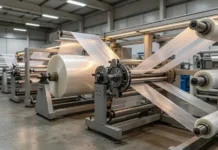
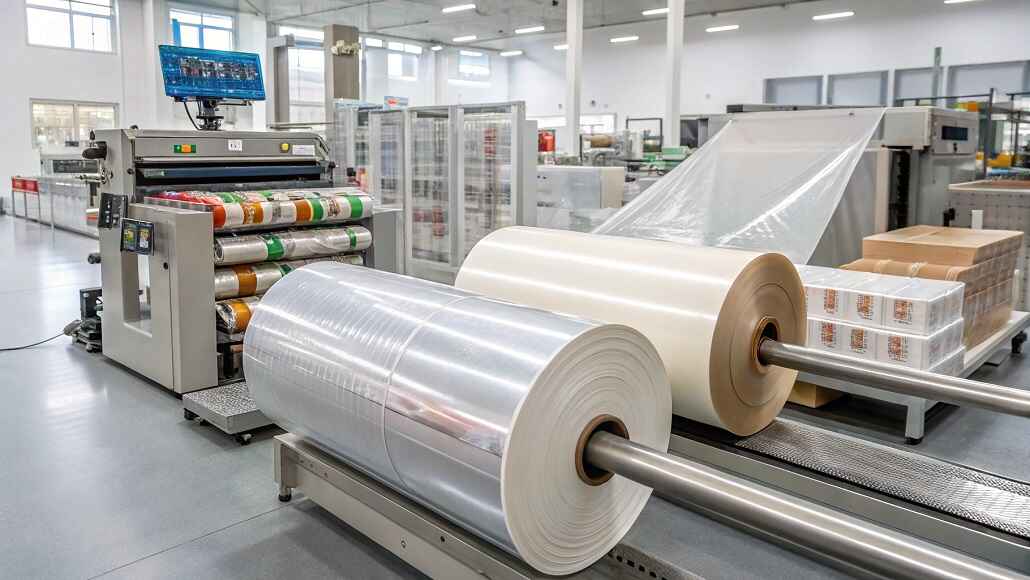
Flexible multilayer packaging is a disruptive solution for 21st century packaging requirements. Optimizing the combination of durability, flexibility, and barrier properties, this type of packaging is made by layering plastics, paper, and metals. Consumer expectations currently are shifting towards convenience, product safety, and eco-friendliness, making multilayer flexible packaging the packaging of choice for manufacturers and retailers globally.
The Rise of Multilayer Flexible Packaging
The structural growth of the market can be attributed to the change in the needs of both the consumers and industries that the market fulfills. Multilayer flexible packaging is derived from its versatile solution for many products in combination with lightweight properties, superior barrier properties and attractiveness. Whether increasing the preservation of perishable foods or protecting the efficacy of pharmaceuticals, multilayer flexible packaging has a wide variety of uses.
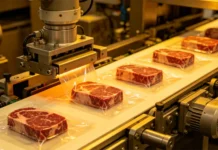
The multilayer flexible packaging market is specifically booming in the food and beverage industry owing to the changing lifestyles and preferences of consumers. The growing trend of ready-made meals, single-portion servings, and quick-fix snacks has led to a demand for packaging that is convenient yet able to maintain freshness and quality. Multilayer flexible packaging fulfills these requirements as it offers improved resistance against moisture, oxygen, and contaminants, all while preserving the product.
The pharmaceutical industry is the other major source of market growth. These requirements to ensure drug product safety and efficacy, while preventing drug distribution non-compliance, has led to the development of advanced packaging materials that ensure their integrity under extreme conditions. The multilayer flexible packaging provides excellent barrier properties that protect the sensitive pharmaceutical formulation from environmental factors to maintain stability throughout storage and transportation.
Furthermore, the personal care and cosmetics industry is increasingly leveraging multilayer flexible packaging for its ability to provide visually appealing designs and functional benefits. With consumers demanding higher-tier packaging that corresponds to the quality of products, manufacturers are adopting multilayer solutions to amplify product differentiation and customer pleasure.
Sustainability Paving the Way for Innovation
One of the most significant trends shaping the future of the multilayer flexible packaging market is the growing emphasis on sustainability. With increasing awareness of environmental issues and stricter regulations on single-use plastics, the industry is being forced to innovate and adapt.
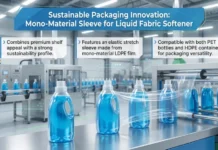
Recyclable, biodegradable, or made from renewable resources multilayer flexible packaging solutions are the major focus area of the manufacturers nowadays. Example: The evolution of polymer technology allowed mono-material multilayer films to be developed that provide multilayer packaging functionality together with full recyclability. Such innovations not only tackle environmental issues but also cater to customers’ preferences for eco-friendly products.
The latest emerging technologies including digital printing and smart packaging technology are also being in demand to enhance multilayer flexible packaging sustainability. For example, digital printing reduces the use of ink and paper both during printing and thereafter; smart packaging solutions that allow for real-time monitoring of product conditions reduce food wastage and increase supply chain efficiency.
Regional Insights and Market Dynamics
The multilayer flexible packaging market’s growth is not uniform across regions, with significant variations observed in market dynamics and adoption rates.
The North American and European regions maintain their positions as the leading powerhouses in the market, thanks to established industries, advanced infrastructure, and high levels of consumer awareness. This is more prominent in such locations attaining adoption of the sustainable packaging solutions instead of plastic disposable products, largely due to government initiatives and corporate commitment to eliminating plastic waste.
Asia-Pacific, on the other hand, is the fastest-growing market, driven by rapid urbanization, increasing disposable income, and growing middle-class population. Bright expectations for food and beverage, pharmaceutical, and personal care industries of the region are against a backdrop of unprecedented growth, creating opportunities for new developments in packaging. Market growth is attributed to countries like India, China, and Japan, leading this sector through their advancements in manufacturing technologies, as well as advances in packaging technologies.
Growth in Latin America and the Middle East is solid but slower. These areas are progressively transitioning to multilayer flexible packaging solutions as industries modernize, and consumer habits lean towards convenience and sustainability.
Challenges and Opportunities
Offers great opportunities in the multilayer flexible packaging market, it also has its share of challenges. Multilayer materials can be more difficult to recycle because most recycling systems only recycle single material. Their use in multilayers, however, has raised concerns about their environmental impact in regions with a lack of waste management.
Accordingly, industry participants are making investments in the development of mono-material or separable multilayer films that mitigate recycling challenges. Manufacturer collaborations, with governments and recycling organizations to build recycling infrastructure and the circular economy are also gaining traction.
Another challenge lies in the high production costs associated with multilayer flexible packaging. Utilization of advance materials and technologies usually ends up costing a significant amount of money, which can hold manufacturers back, especially if they are working in price sensitive sectors. The initial costs of multilayer packaging can be higher, but the long-term advantages, such as decreased product waste and longer shelf life, look to result in considerable cost savings.
However, the market is full of potential for growth and innovative opportunities in spite of these challenges. Driven by growing needs for sustainable and high-performing packaging solutions and advances in material science and technology, the industry is witnessing a wave of innovation. There are numerous challenges to these innovations and driving everything from entry level price points, solution complexity, costs, and sustainability, are companies who are able to power through and deliver across these vectors in an equally innovative, cost effective and sustainable way will seal a considerable piece of the pie in the market.
Outlook for the Future
The market is anticipated to achieve a valuation of USD 283.55 billion by 2034; the market is poised to redefine packaging norms for various end-use industries providing solutions that are functional yet compliant with environmental and consumer trends.
Looking ahead, the focus on sustainability will remain a defining trend, with manufacturers prioritizing the development of eco-friendly materials and processes. New growth opportunities and avenues are enabled through the integration of smart packaging and digital printing technologies with multilayer flexible packaging.
In conclusion, the multilayer flexible packaging market is poised for remarkable growth, driven by its ability to address evolving consumer needs, industry demands, and environmental challenges. As packaging analysts continue to monitor its progress, the industry remains at the forefront of innovation, setting new benchmarks for performance, sustainability, and consumer satisfaction in the modern packaging landscape.