









The food industry nowadays is a huge ecosystem in itself in which safety, quality, and shelf life are at the forefront. Techniques Used to Package FoodFood freshness and safety for consumers mostly depend upon how food is packaged. Of all the materials in use, one with which the public is most familiar is polyethylene terephthalate or PET. This packaging type has become one of the most innovative food applications find for its robustness, safety, and recyclability, making it an integral component of PET packaging in food safety
In this article, we will explore the ways in which PET packaging in food safety ensures and enhances shelf life, including its unique properties, technological developments, and practical applications. We will also explore industry specific statistics and compliance measures that drive home its new necessity.
Understanding PET Packaging and Its Unique Features
PET packaging is well-known for its outstanding features that enable food applications. PET is a transparent, lightweight plastic polymer that is both strong and impact-resistant, and can act as a barrier to moisture, oxygen, and bacteria.. Barrier properties of PET packaging This is one of the specific features of the PET packaging, which provides an absolute barrier to effect outside — forcing them to penetrate the quality and safety of food products.
Unlike many other materials, PET does not chemically react with the food it carries and does not alter its taste, smell or nutrients. So, its inert quality makes PET the best-suited material for packaging sensitive food like dairy, beverages, and ready-to-eat meals. Also, the transparency enables consumers to see exactly what is inside, which is a further reassurance.
PET Packaging and Food Safety
One of the main functions of PET packaging that enhances food safety is its strong barrier against possible contaminants. Food safety is a serious global concern, and organizations like the World Health Organization recognized that better packaging systems are needed to fight foodborne pathogens. Due to almost 600 million foodborne illnesses each year, packaging innovations are paramount to reducing these risks according to the WHO.
PET packaging is the superior packaging material to prevent food products from microbial contamination. For example, pre-sterilized PET containers are often used in aseptic packaging processes near and close to sealing food products in a sterilized environment, where pathogens are limited from breaching. This prevents food from spoiling after long storage times at the pantry or refrigerator level.
The second part is helping prevent chemical contamination. PET is approved for food contact per FDA guidelines and meets high global regulatory requirements. Being non-toxic, it does not leach harmful substances into food, regardless of varying temperature conditions. Studies have proven that PET packaging is effective, catering to either hot or cold packing environments for refrigerated or frozen meals, as well as microwavable meals.
Technology Increases Shelf Life
Extending shelf life is one of the key reasons why packaging can help keep food safe, and that’s where PET packaging comes into play. This is especially important for fruits and vegetables, dairy products, and other non-durable goods that need to be preserved under strict conditions. According to research, around 1.3 billion tons of food produced every year gets wasted due to spoilage and accounts for a third of the food produced around the world. This is where PET packaging comes to the rescue with barrier technologies.
One example of this is the use of oxygen scavenger technology which is often implemented into PET packaging to absorb any remaining oxygen within the container. Oxygen is a key contributor to the oxidation of food, resulting in spoilage, discoloration and loss of flavor. PET packaging has low oxygen transmission rates, keeping the material crisp.
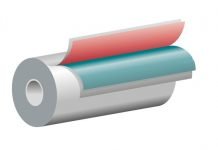
The use of multi-layered PET containers is yet another technological advancement. The containers also have extra layers of barrier materials like ethylene vinyl alcohol (EVOH) that provide greater protection against gas and moisture transmission. Multi-layer PET packaging is especially useful for products such as sauces, juices, and condiments that need a longer shelf-life without artificial preservatives.
Case studies and Industry applications
PET packaging in food safety is effective across industry segments. In the beverage industry, carbonated drinks, water, juices are filled in PET bottles. These bottles are made to resist pressure and entrance of foreign matter, making the beverages safe and enjoyable for the patrons. Beverage giants Coca-Cola and PepsiCo have fully committed to PET packaging, with some of their products containing recycled PET (rPET) that directly supports a more sustainable future.
In the dairy industry, PET packaging transformed the storage and transportation of milk, yogurt, and cheese. They have an airtight design which keeps these products from spoilage while maintaining their nutritional profile. A recent study showed that PET bottles exhibited a longer shelf life for milk than other common milk containers like glass or HDPE due to the advantages of PET barrier properties.
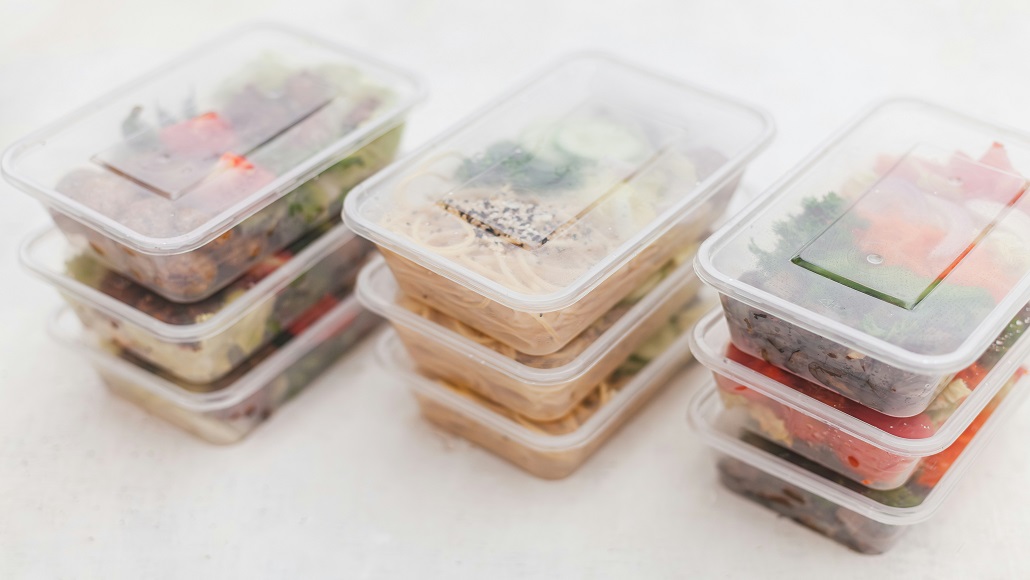
PET packaging also helps multi-layer retort pouches that are used in ready-to-eat food segment. The PET used to make meal trays and clamshells is meant to handle high temperatures, so can be reheated in the microwave. Apart from practicality, these containers make sure that the food is not getting contaminated while the food is being stored and transported.
Sustainability: The Extra Benefit
The above discussion is primarily about food safety and shelf life, but PET packaging is also environmentally friendly. PET is 100% recyclable, meaning it can be used to make new containers, textiles and auto parts. With closed-loop recycling systems in place, companies are doing their part in helping the planet while also providing consumers with desirable sustainable packaging options.
Companies like Nestlé and Unilever, for example, have made commitments to increase the use of recycled PET in their packaging. This resonates with global sustainability objectives and strengthens consumer trust through the demonstration of ethical practices.
Challenges and the Road Ahead
While PET packaging offers various benefits, it also contends with several challenges that demand consideration. Since then, plastic has become a pariah, seen in development and environment circles as a pollutant. To remedy this phenomenal facility the industry needs to invest further more into recycling support systems and public awareness programs reinforcing the advantages of PET as a viable eco-material.
Improvements in biodegradability and compostability are also under consideration to further enhance the environmental credentials of PET packaging. To make it better, researchers have already been working on bio-based versions of PET made from renewable raw materials like sugarcane.
Conclusion
With regards to food safety and shelf life enhancing, PET packaging in food safety has come out as an innovative technique. It offers excellent barrier properties, durability, and compliance with regulatory standards, making it an essential solution for food preservation and safety. With improvements that range from a decrease in foodborne disease to limited spoilage and waste, PET packaging meets an array of industry needs while also providing additional advantages like recyclability and sustainability.
With advancements in technology, the possibilities for PET packaging will only broaden, paving the way for further innovation and efficiency. As the food packaging industry increasingly prioritizes safety, quality, and environmental responsibility, PET packaging stands ready to lead the way. Thus, investing in PET packaging is not an option but a necessity for manufacturers, businesses, and consumers alike for a safer, eco-friendly nearing future.