















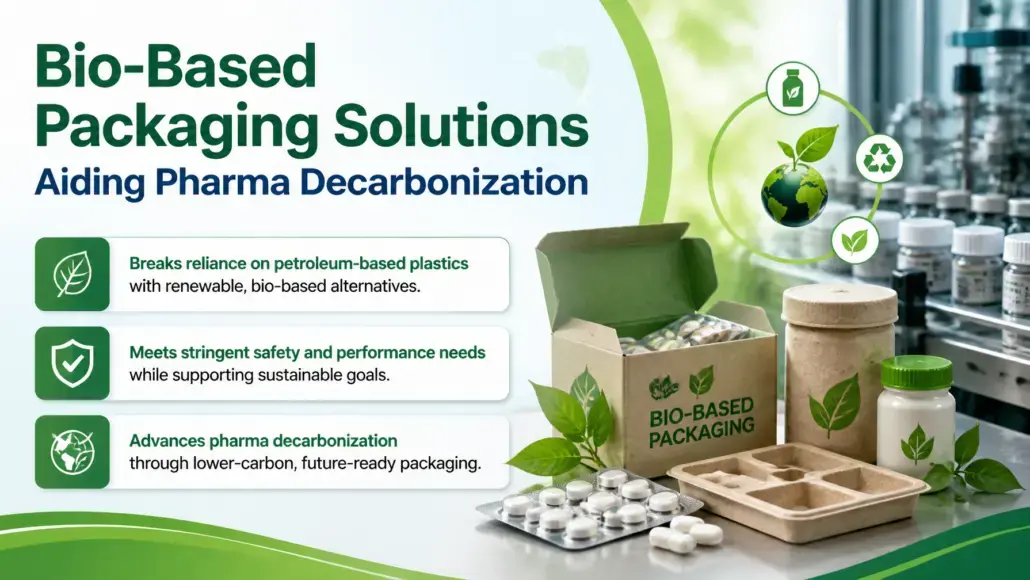
The pharmaceutical industry is reaching a critical turning point as it seeks to decouple its supply chain from petroleum-based plastics. While fiber has gained significant traction, the search for more versatile materials has led to a new generation of biological polymers. Advancing bio-based packaging solutions is now a top priority for global manufacturers who must balance stringent safety requirements with aggressive sustainability targets.
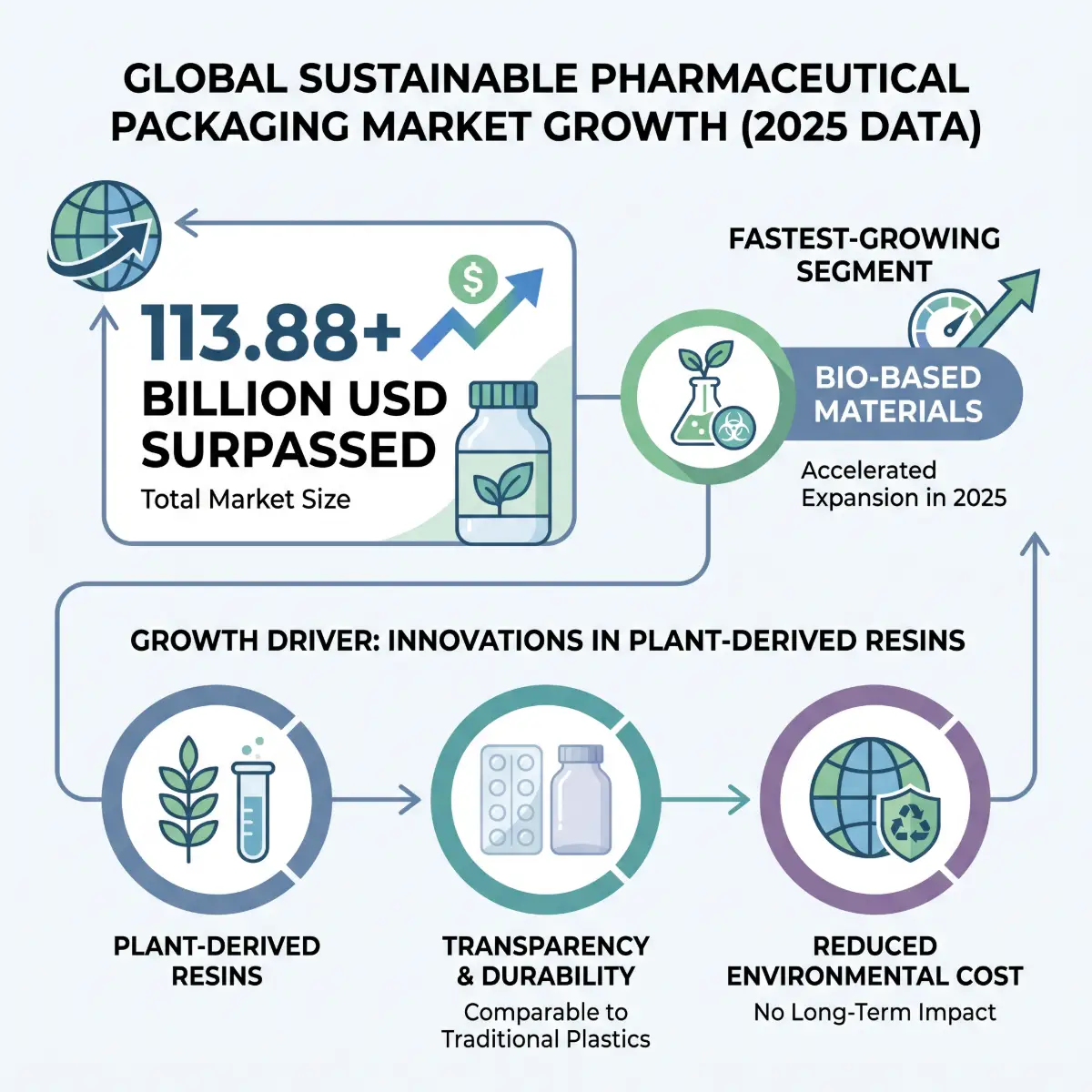
Recent data from 2025 shows that the global sustainable pharmaceutical packaging market has surpassed 113.88 billion dollars, with bio-based materials representing the fastest-growing segment of this expansion. This growth is driven by innovations in plant-derived resins that offer the transparency and durability of traditional plastics without the long-term environmental cost.
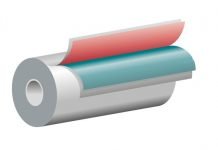
Packaging World Insights observes that innovations in bio-based packaging solutions are not occurring in isolation. They are part of a broader shift in material science that includes the development of next-generation barrier coatings for paper packs, which are essential for protecting the integrity of both bio-polymers and fiber structures. These coatings allow for a greater diversity of sustainable materials to be used in the most demanding pharmaceutical applications.
Engineering High Performance Biological Polymers
A major focus of current research involves Polylactic Acid and Polyhydroxyalkanoates:
- Renewable Sourcing: Bio-polymers are produced from renewable feedstocks, including corn starch, sugarcane, and recycled cooking oil.
- Engineered Performance: In pharmaceutical applications, these bio-materials are formulated to provide high mechanical strength for both rigid containers and flexible films.
- Secondary Packaging Focus: Manufacturers primarily deploy these polymers in secondary packaging, such as overwraps and diagnostic kit trays, bypassing the stringent regulatory hurdles associated with direct, primary drug-contact materials.
One of the most promising developments in 2025 is the use of seaweed-derived polymers for oral dose packaging. Startups and established chemicals companies are collaborating to create edible and water-soluble films that could eventually replace traditional gelatin capsules and plastic blister lids. These materials provide a natural barrier to oxygen while being entirely compostable at home. The scalability of seaweed cultivation makes it an attractive alternative to land-based crops, as it does not compete with food production or require fresh water and fertilizers.
Sterilization Compatibility and Medical Grade Resins
In June 2025, BASF announced a strategic partnership with a major European biotech firm to scale up the production of a new class of bio-polymers designed specifically for medical applications. This new material maintains its structural integrity during common sterilization processes such as gamma irradiation and ethylene oxide treatment. This breakthrough addresses one of the primary hurdles for bio-based packaging solutions in the healthcare sector, as many early biological resins were prone to degradation under high heat or radiation. The commercialization of such materials allows for the creation of sterile bio-based syringes and IV bags that meet the highest clinical standards.
The rise of bio-based packaging solutions is also being accelerated by the development of sophisticated starch-based foams. These materials are replacing expanded polystyrene for the protection of large medical devices and diagnostic machinery during transit. Starch foams are not only lightweight and shock-absorbent but can also be dissolved in water after use, significantly reducing the volume of waste generated by hospitals.
Financial Incentives and Carbon Risk Mitigation
Furthermore, the rise of carbon pricing is making bio-based packaging solutions more attractive from a long-term financial perspective. By reducing the carbon footprint associated with their packaging, pharmaceutical companies can mitigate the risks associated with future environmental regulations. The shift is not just about environmental stewardship, it is also a strategic move to insulate the supply chain from the volatility of oil markets. As more pharmaceutical giants commit to net-zero targets, the demand for bio-based polymers is expected to remain high, encouraging further investment in manufacturing infrastructure. The resulting economies of scale will likely continue to drive down prices, making these sustainable materials the new standard for the industry rather than a niche alternative.
The integration of bio-based materials extends to the adhesives and coatings used in packaging assembly. Many traditional adhesives contain solvents and chemicals that can migrate into the medicine or interfere with the composting process. New bio-adhesives derived from lignin and other plant byproducts are providing strong bonds while maintaining the purity of the package. This holistic material approach ensures that every component of the pharmaceutical pack is derived from renewable sources.
Regional Success Stories and Material Stability
In early 2026, a consortium including major chemical leaders reported a successful pilot project involving the use of PHA for pharmaceutical blister packs in the Southeast Asian market. The study demonstrated that PHA could provide a sufficient moisture barrier for non-hygroscopic tablets over a two-year shelf life. This is a significant milestone, as moisture protection has historically been the weakest point for bio-based films. The success of this pilot is expected to lead to wider adoption across the region, where humidity levels are high and plastic pollution is a critical concern.
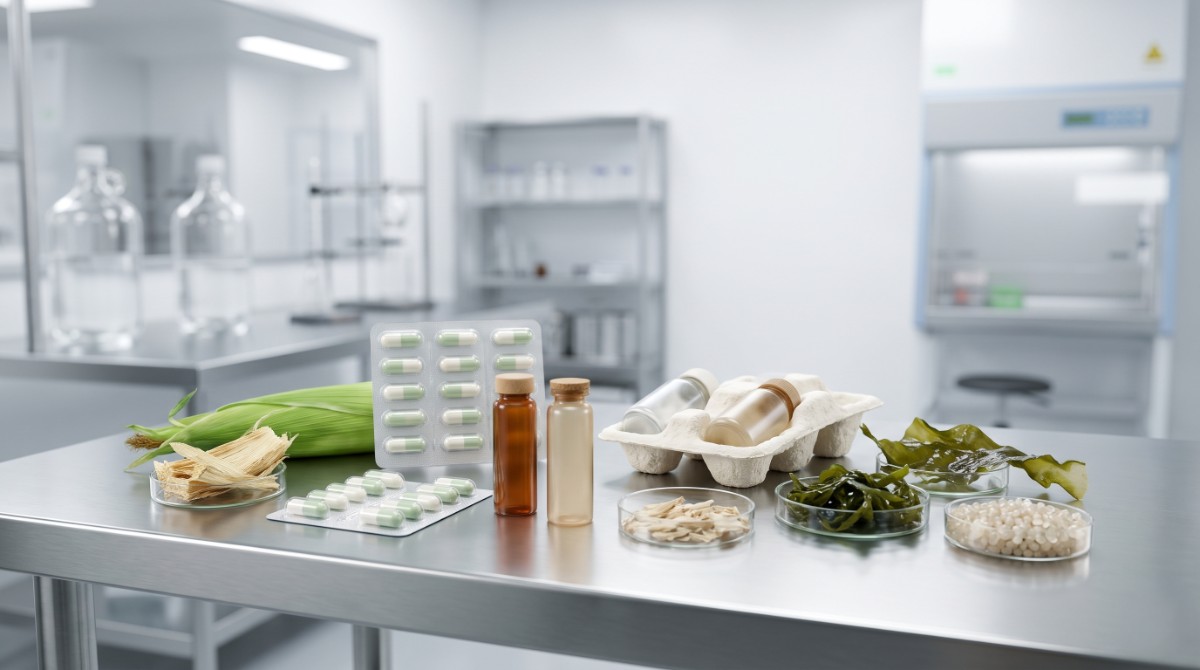
Another emerging trend is the use of mycelium-based packaging for high-value biologics that require temperature protection. Mycelium, the root structure of mushrooms, can be grown into specific shapes around a product, providing excellent insulation and cushioning. This biological material is grown using agricultural waste and is fully biodegradable in a backyard setting. In 2025, several specialty pharmacy providers began using mycelium shippers for the home delivery of temperature-sensitive drugs, citing the material’s superior thermal properties compared to traditional plastic foams.
Evolving Regulatory Frameworks for Patient Safety
The regulatory environment is also evolving to support these innovations by providing a clearer framework for material validation:
- New Regulatory Pathways: The FDA and EMA have introduced formal evaluation pathways specifically for bio-based materials used in primary drug packaging.
- Defined Safety Criteria: Updated guidance establishes clear, standardized safety benchmarks, highlighting comprehensive testing protocols for extractables and leachables.
- R&D Investment Confidence: This regulatory transparency provides manufacturers with the assurance needed to fund long-term research and development initiatives.
- Safety Over Compromise: The framework ensures pharmaceutical safety standards remain uncompromised while supporting industry sustainability targets.
In 2025, the introduction of standardized testing protocols for bio-based resins allowed for faster approval cycles for secondary packaging applications. Regulators are also beginning to recognize the role of compostable packaging in reducing healthcare waste, leading to new policies that encourage their use in hospital environments. This shift is helping to bridge the gap between innovation and clinical implementation.
As more data becomes available on the long-term stability of drugs in bio-based containers, Packaging World Insights believes the scope of approved applications is expected to widen. The collaboration between regulatory bodies and industry stakeholders is ensuring that these new materials meet the same stringent standards as the plastics they are replacing. This ensures that patients receive the highest quality medication while the industry moves toward a more sustainable future.
References
- “Sustainability Report 2025” – BASF
- “Global Bio-Polymer Market Outlook 2026” – Mitsubishi Chemical Group
- “Sustainable Solutions for Healthcare” – Berry Global
- “Advancements in Renewable Resins” – TotalEnergies
- “Pharma Packaging Material Science” – Amcor

