




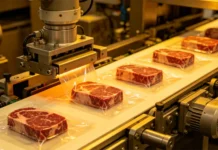

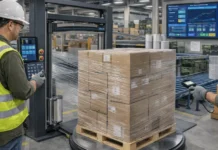





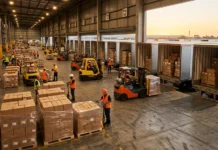






In the fast-changing world of industrial automation and digital revolution, one technology has started revolutionising the packaging industry with unparalleled accuracy and potentiality—the digital twin. Originally thought of as a theoretical extension of simulation modelling, digital twin integration has now become imperative for large-scale packaging plants, facilitating real-time monitoring, predictive analytics, and data-driven decision-making at an unprecedented level. As global packaging demand grows and sustainability demands increase, digital twins are becoming an integral part of the operating infrastructure of large packaging operations globally.
IDC’s 2023 FutureScape report forecasts that by 2025, approximately 70% of Global OEMs are expected to deploy digital twins for product innovation and operational performance improvements, with packaging plants among the primary adopters in the manufacturing domain. Their value proposition lies not just in real-time mirroring of physical assets but in unlocking transformative efficiencies that scale across production lines, maintenance protocols, and supply chain integration.
Understanding the Digital Twin in Packaging
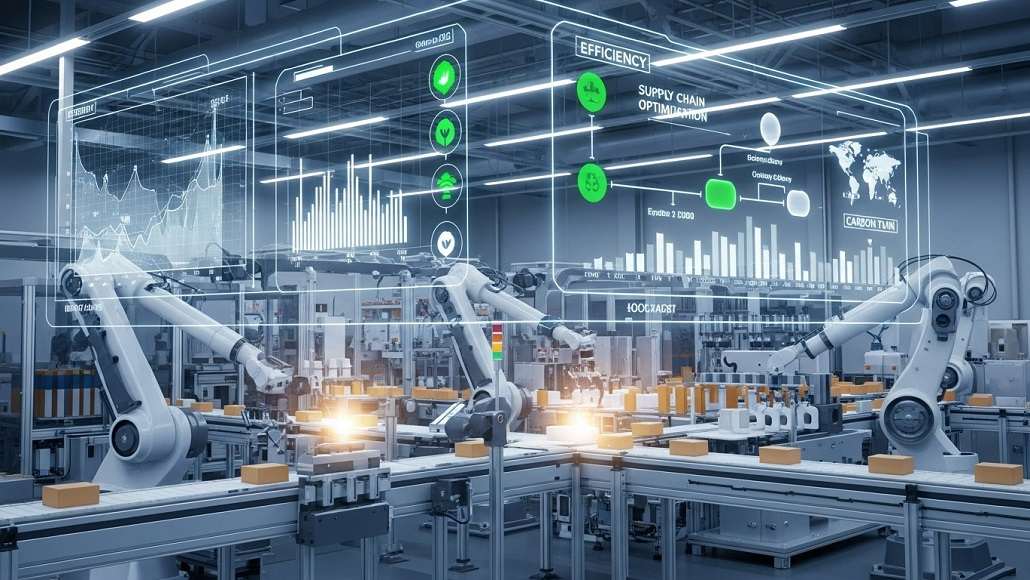
At its core, a digital twin is a dynamic virtual representation of a physical object or system—be it a machine, a production line, or even an entire plant. This digital replica is continuously fed with real-world data through sensors and IoT devices, enabling operators to simulate, analyse, and optimise processes in real time. In large-scale packaging operations, this translates to tracking temperature-sensitive pharmaceutical packaging, forecasting wear-and-tear on high-speed bottle lines, or forecasting shifts in product volume and material flow.
Digital twins have long been used in industrial fields, but the specificity and scalability they provide today differentiate their role in packaging. Packaging plants are usually comprised of intricate equipment, high throughput, and complex quality control requirements. One bottleneck in the packaging line can ripple through distribution channels and impact customer timelines. Through the use of digital twins, plant managers have end-to-end visibility into every level of operation, from raw material inputs through sealing of the final product, improving control and responsiveness.
Driving Operational Efficiency Through Simulation
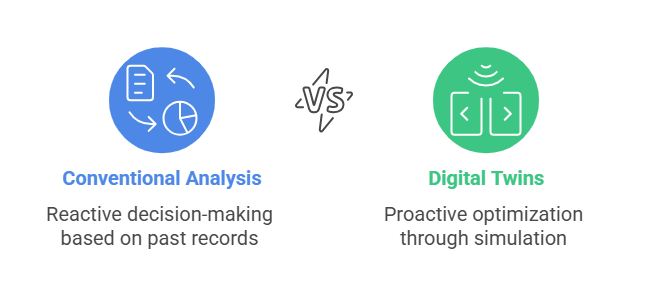
One of the most direct advantages of digital twin integration in packaging facilities is efficiency of operations. The conventional analysis of performance depends much on past records and manual checking, which may lead to reactive decisions. Operators using digital twins can model various scenarios, anticipate failures, and optimise workflows before anything goes wrong. In large-scale packaging systems, where each minute of downtime costs thousands of euros, these benefits equate to significant cost and logistical savings.
Also, simulation functionality enables packaging plants to maximise line configurations, adjust design parameters on-the-fly, and ensure packaging solutions without trial-and-error testing. This is valuable for special or limited-edition packaging formats where speed to market is critical and flexibility is a competitive advantage.
Improving Quality Control and Regulatory Compliance
Quality control is at the heart of any packaging plant, particularly in regulated industries like pharma, food, and cosmetics. The digital twin facilitates real-time quality monitoring by relating information from temperature probes, fill levels, seal integrity tests, and vision inspection systems.
Through the incorporation of digital twins into packaging lines, organisations are able to keep audit trails, determine root causes of quality deviations in real time, and have traceability from entry of materials into the plant till shipment of the final package.
In high-speed packaging lines, this also facilitates serialisation and counterfeiting prevention initiatives. Digital twins can track each item’s path through the packaging process, maintaining packaging integrity and regulatory compliance with international regulations such as the European Union Falsified Medicines Directive (FMD) or the U.S. Drug Supply Chain Security Act (DSCSA).
Predictive Maintenance and Asset Lifecycle Management
Equipment repair has conventionally been a reactive or timed affair—either repairing failures as they arise or replacing components on a regular schedule. Digital twin integration provides a third, smarter alternative: predictive repair.
By combining real-time data and past maintenance records, digital twins can forecast when a part will fail, notifying technicians before a breakdown will affect production. Industry data indicate that predictive maintenance—especially when deployed via digital twins—can reduce maintenance costs by approximately 25% and lower unplanned downtime by up to 45%, based on field reports from sectors such as utilities and transportation.
For high-volume packaging factories where equipment operates 24/7, predictive—and preemptive—system failure anticipation without impacting production calendars is a huge operational benefit. In addition to cost savings, it also increases asset life and facilitates better investment planning via lifecycle forecasting accuracy.
Advancing Sustainability Goals
Sustainability is no longer a peripheral concern in packaging; it has become a strategic necessity. With legislation like the European Green Deal and extended producer responsibility (EPR) programs informing worldwide packaging habits, digital twin integration is becoming an essential resource in assisting environmentally friendlier operations.
By developing energy use models and monitoring material use in real-time, digital twins enable packaging facilities to detect inefficiencies that result in waste or emissions. For instance, a packaging line with digital twins can detect compressed air leaks—a significant energy drain—and trigger immediate remedial action.
Additionally, digital twin integration enables eco-design since it enables engineers to test the effects of changing to substitute materials or lightening packaging weight without sacrificing structural integrity or regulatory compliance. This serves both cost-effectiveness and environmental goals.
Supply Chain Visibility and Production Planning
Another strong application of digital twins is their incorporation with broader supply chain systems. In a large-sized packaging facility, where coordination with procurement, warehousing, and logistics needs to happen in sync, digital twins provide better planning and coordination solutions.
With real-time sharing of data and predictive analytics, digital twins can assist in forecasting material shortages, tracking supplier performance, and modifying production schedules due to fluctuations in demand or delivery limitations. This kind of analysis not only maximises inventory control but also builds resilience during supply chain disruptions—a lesson hard learnt during the COVID-19 pandemic.
The Road Ahead
As the technology comes of age, two factors will determine the success of digital twins in packaging: readiness of the workforce and interoperability. Interoperability refers to the seamless communication between digital twins, machinery, and enterprise systems—from MES (Manufacturing Execution Systems) to ERP (Enterprise Resource Planning). Companies are striving toward universal data formats to bring this vision to life.
On the human capital front, the implementation of digital twins will require a digitally literate workforce. Operators, engineers, and plant managers will need to be trained to read simulation output, collaborate with virtual models, and make educated decisions based on analytics. Upskilling programs backed by public institutions and industry associations will play an important role in filling this gap and achieving inclusive adoption.
Conclusion
In an economy increasingly defined by digital intelligence, mass packaging plants can benefit greatly from embracing digital twin technology. Through greater operational visibility, enhanced quality control, predictive maintenance capability, sustainability support, and supply chain synchronisation, digital twins are not merely tools—they are facilitators of smart manufacturing change.
As packaging requirements become increasingly sophisticated and customer aspirations grow, the role of digital twins in next-generation packaging facilities will become even more prominent. For packaging leaders, adopting this technology is not just a short-term strategy—it is a strategic necessity that unites operational excellence with innovation, agility, and sustainable growth.