















Be it packaging or automotive manufacturing, the global polyethylene terephthalate market (popularly known by its acronym, PET) is injecting more value into the system in a sustainable way. PET has evolved one of the most versatile materials in the world industrial area, due to its lightweight, durable properties and recyclability. In the past decade, its demand has been continually growing due to changing consumer behavior, regulatory attention on sustainability, and advancement in manufacturing technologies.
This article provides an insightful examination of the size, growth, and dynamics driving the Polyethylene Terephthalate market, with supporting statistics and recent trends. It details the factors driving its growth, while examining the challenges and opportunities defining its future.
Market Overview
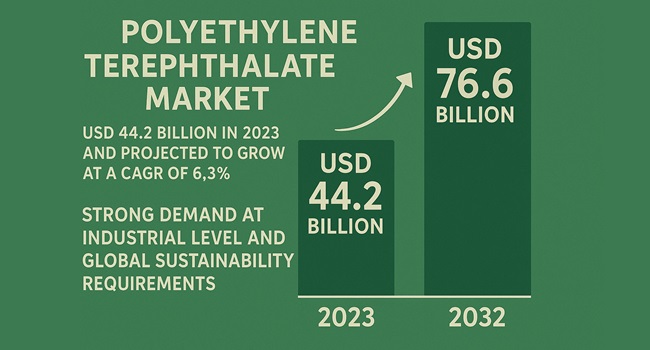
The polyethylene terephthalate market was estimated to be worth USD 44.2 billion in 2023 and projected to grow at a CAGR of 6.3%. The market is expected to touch USD 76.6 billion by 2032. PET’s market displays a strong demand at industrial level and global sustainability requirements as well reinforcement.
The growth of the market can be mainly credited towards the rising usage of PET in a number of industrial sectors including food and beverage packaging, electronics, textiles and automotive. That makes it one of the materials of choice in applications where robust, lightweight, and recyclable materials are essential, due to its unique chemical and physical attributes—high mechanical strength, transparency, and impact resistance.
Key Drivers of Growth
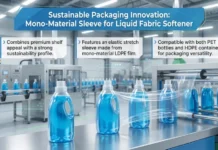
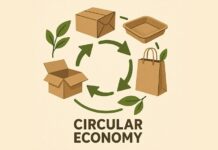
The global movement towards sustainable packaging has been one of the most prominent factors influencing the polyethylene terephthalate market. As more and more industries are leaning towards sustainable practices, PET has become the go-to material to be used as alternatives to less sustainable packing materials. The recyclability of the material guarantees its availability for circular economy models, where waste is minimized and resources are reused.
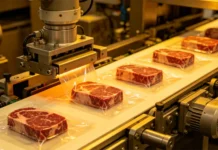
Also, increasing consumer awareness towards minimizing environmental impact is driving the demand for products packaged with recyclable materials. PET- based solutions are being adopted by most beverage and food manufacturers, owing to the advantage of improved shelf-life preservation.
The automotive sector is another major contributor as manufacturers increasingly favor using PET for lightweight materials that improve fuel efficiency. Automotive applications: PET composites are being adopted across a range of components, including not only interior panels and under-the-hood applications. Due to this high strength-to-weight ratio and thermal resistance, PET is swiftly establishing itself as one of the go-to materials as the world transitions into electric vehicles (EVs).
Recycled PET: A Rising Trend
The companies and governments are already investing in sustainable alternatives and resulting in a tremendous increase in the demand for recycled polyethylene terephthalate (rPET). Ideal for industries focusing on environmentally friendly practices, rPET maintains the performance benefits of virgin PET but addresses the environmental issues.
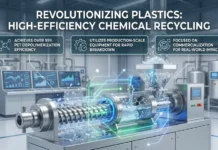
The beverage industry, in particular, has been at the forefront of rPET, with many companies pledging to use at least 50% recycled content in their bottles by 2030. Coca-Cola and PepsiCo, for example, have stepped up production of rPET to meet regulations and customer demand. Emerging technologies for advanced recycling, including chemical recycling and depolymerization, have also increased the utilization of rPET by allowing for closed-loop recycling systems to be established.
Due to current challenges in sourcing recyclate, rPET only represents around 20% of the polyethylene terephthalate market in 2024, but innovations in recycling processes should help grow this figure as costs decrease and quality improves.
Regional Insights
In 2024, the share of the polyethylene terephthalate market in the Asia-Pacific region will grab 38% of the global total. China and India are major contributors to this growth, with their strong manufacturing bases, access to raw materials, and low-cost production environments. The booming urbanization and growing middle class in these countries are driving the higher consumption of packaged products, effectively increasing the demand for PET.
North America is the fastest-growing market backed by regulations to contain single-use plastics along with increased demand for sustainable packaging. In recent years, the US has made large investments in PET recycling as states pushed stringent mandates for plastic waste recovery.
Undeniably committed to sustainability, Europe has sought to reduce environmental waste through rigorous guidelines and remains a champion of PET adoption The rising landfill bans, and landfill taxes have fostered the region’s transition to recycled PET.
Market Challenges
Trends in Polyethylene Terephthalate Market: Polyethylene Terephthalate Market has strong growth, but it faces challenges. Primarily used in plastic products, virgin PET consumes a huge amount of energy and natural resources, thus making it questionable for the environment. While recycled PET helps alleviate these issues, there is currently a limited global supply of high-quality rPET.
Moreover, changes in the prices of raw material, like crude oil (PET is derived from crude oil), can also cause the market’s cost structure to deviate. The extent to which PET can be recycled in a circular manner will also pose a challenge where developing economies have little recycling infrastructure.
Finally, public perception around plastics is still a huge challenge. Though PET is recyclable, it is usually lumped in with other plastic that harms the environment, making them enemies in that fight. Consumer skepticism can be addressed by effective communication and education on PET’s contribution to sustainable development.
Opportunities for Growth
Latest Update on Polyethylene Terephthalate Industry: Potential of Polyethylene Terephthalate Market Recently, developments of bio-based PET, obtained from renewable resources such as sugarcane, present a green alternative to conventional PET. This key development fits well within a larger international initiative to decrease reliance on fossil fuel uses as well as lower carbon emissions.
Another growth opportunity lies in smart packaging, which utilizes IoT technology to monitor product conditions such as temperature and humidity. Thereby, PET is an exquisite material to incorporate those types of technological acceleration.
The rising trend of e-commerce has further propelled demand for durable, lightweight packaging materials, thus establishing PET as a solution to fulfil the logistics and shipping requirements of e-retailers.
Conclusion
Polyethylene terephthalate Market provides breadth and depth of data with respect to the market elements which are influencing the market; along with each distinct and quantifiable variable, the test additionally covers the unmovable consequences and test of administrations market. PET is a game-changer across sectors—from packaging to automotive manufacturing—due to its versatility, durability, and recyclability. The newfound compatibility with circular economy models, in addition to advancements in recycling technologies, makes it even more appealing and guarantees that it remains an important material for the future.
With the world gelling towards some more eco-friendly solutions, the polyethylene terephthalate market is in for a trailblazing growth. The future of PET and its advanced recycling and upcycling trends represent a monumental shift for the industry, and companies that adapt to this paradigm will not only have a competitive advantage but also be an essential part of a more sustainable future.