





















The cold chain packaging market is witnessing a remarkable growth, driven by the rising demand for the temperature-sensitive products in the various industry sectors, such as pharmaceuticals, biotechnology, food and beverages, etc. Currently one of the most exciting development sectors in modern global supply chains, the market is set to further boom with a projected market value of USD 646.26 billion by 2032. This remarkable growth highlights the increasing demand for specialized packaging solutions that maintain the integrity and safety of perishable goods during transit and storage.
Understanding Cold Chain Packaging
In a nutshell, a cold chain is a temperature-controlled supply chain that is used to preserve and transport temperature-sensitive products. A crucial part of this ecosystem is the cold-chain packaging, which facilitates temperature stability and protects product quality. Cold chain packaging, in contrast to traditional packaging, regulates internal conditions to prevent damage from environmental factors like extreme temperatures, humidity levels and exposure to light.
Over the years, the cold chain packaging market has progressed to great extents. The development of specialized insulated containers, sophisticated monitoring technologies, and other innovative solutions illustrates the industry’s ongoing effort to adapt to evolving regulatory requirements and meet the high demand for quality packaging solutions. With supply chains expanding worldwide, especially for sensitive products, the growing nuance of cold chain packaging systems will prove critical as a supply chain link.
Key Drivers Behind Market Growth
Several interconnected factors are propelling the rapid growth of the global cold chain packaging market. Growing global demand for temperature-sensitive pharmaceuticals, namely vaccines and biologics, is chief among them. The pandemic operation is a perfect case in point, highlighting how critical cold chain packaging is to successfully rolling out life-saving medicines. Distributed vaccines: Advanced and reliable packaging technologies were proven necessity to enable rapid deployment of mRNA vaccines, maintaining ultra-cold conditions for storage.
Food & Beverages is another key driver of market growth. The demand for high-quality cold chain solutions has increased due to the growing demand for fresh, minimally processed, and organic foods. With the ongoing growth of international trade in perishable goods, efficient cold chain packaging solutions are an urgent global necessity.
Moreover, technological advancements related to packaging technology have also fueled the market. However, with advancements like phase-change materials, vacuum insulation panels, and active temperature control systems, cold chain packaging has become more efficient and reliable. A lot of money is spent on R&D by companies to create greener and cheaper solutions that would meet both environmental imperatives and industry demands.
Regional Dynamics
The cold chain packaging market is expanding across regions, with Asia-Pacific highly dominating the growth of the market. This growth has been driven by the region’s developing pharmaceutical and food industries and large middle-class population, alongside adequate cold chain infrastructure. With China and India improving their logistics and supply chain, their share in the global market will continue to grow.
Nonetheless, North America continues to capture a leading share of the cold chain packaging market. Its growth has been driven by the region’s well locked pharmaceutical industry and a strong market for frozen and chilled foods. Also, USA and Canada government regulations have strict temperature control measures which require quality packaging solutions for companies to comply.
Europe, as well, is an important market, especially for the pharmaceutical and biotechnology industries. Sustainable packaging mylar bags & pouches contribute to market expansion in the region, companies are adopting these fully sustainable packaging to resolve their waste problem.
Challenges and Opportunities
The cold chain packaging market is not without its challenges, despite its rapid growth. The increasing cost of advanced packaging technologies is one of the main factors of concern. Although active temperature control, phase-change materials, and other innovations help optimize performance, their costs can throw up obstacles for smaller firms seeking to implement them. Furthermore, disposal of or waste cold chain networks long-distance across these regions are cost prohibitive.
Another challenge is the environmental footprint of cold chain packaging. Traditional materials like expanded polystyrene can take very long time to decompose, which raises sustainability issues. This is creating a drive towards the creation of greener alternatives. Companies are working to use biodegradable and recyclable materials that lower environmental footprints without sacrificing performance.
However, these challenges also present significant opportunities for growth. As a result of the growing need for eco-friendly packaging options, innovation has soared, giving rise to advanced materials and technologies. Firms that are able to achieve this balance of performance, cost efficiency, and sustainability will be best positioned ahead of the competition.
Technological Advancements Driving Innovation
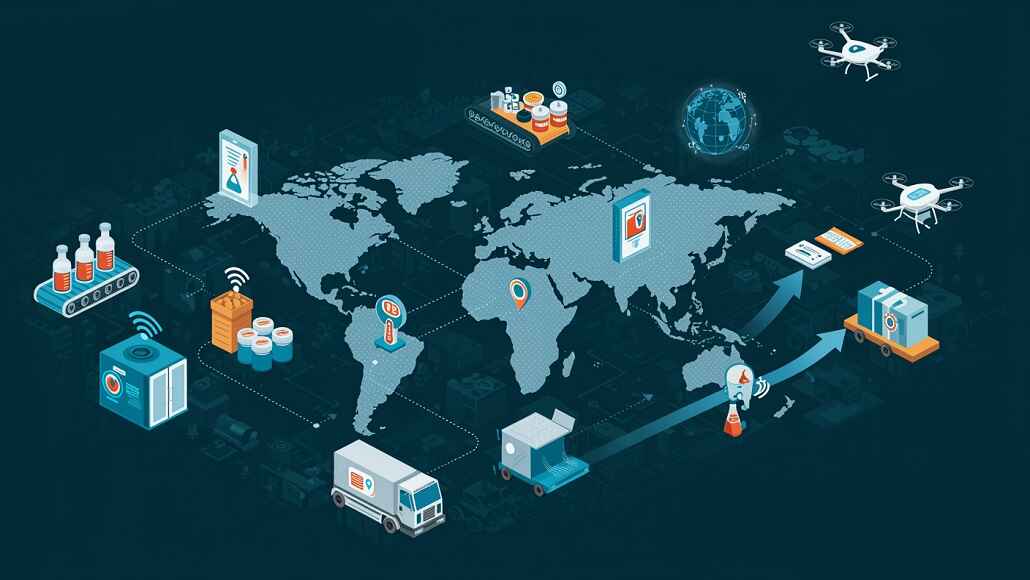
Innovation in the cold chain packaging sector has been abundant; several new technologies like the IoT and blockchain have modernized the way we monitor and hold temperature-sensitive commodities. Smart packaging solutions that are embedded with sensors and come with real-time monitoring solutions, can help track parameters like temperature, humidity, and other critical values of the specific products throughout the supply chain. It not only gives visibility at that level to ensure companies comply with tight regulatory standards, but it also drives operational efficiency through reduction of waste.
Blockchain technology is also gaining traction, providing an added layer of security and transparency. By creating immutable records of each step in the supply chain, blockchain ensures that the integrity of temperature-sensitive products is maintained.
Additionally, advancements in material science have paved the way for more efficient insulating materials. Phase-change materials, for instance, are capable of maintaining a stable internal temperature for extended periods, making them ideal for long-haul transport. Another innovative breakthrough in cold chain packaging are vacuum mass insulation panels, which allow for higher temperature performance.
The Role of Regulations
The regulatory landscape plays a crucial role in shaping the growth and evolution of the cold chain packaging market. The distribution of pharmaceutical products, in particular, is highly regulated under the World Health Organization’s Good Distribution Practices (GDP) and the U.S. FDA’s requirements for pharmaceutical distribution, both of which require the use of high-grade packaging solutions.
Like in the food industry, where the U.S. Department of Agriculture and the European Food Safety Authority impose temperature controls to ensure the safety and quality of products. This is leading to increased uptake of emerging packaging innovations that comply with these regulations.
Market Outlook
The cold chain packaging market is experiencing a robust growth trajectory, set to reach an impressive market value of USD 646.26 billion by 2032. With demand for temperature-sensitive products only expected to grow, the temperature-controlled supply chain will continue to be a critical enabler of global supply chains. The future of this market will also be shaped by advancements in technology and materials, combined with an increased focus on sustainability.
For example, as the use of smart technology and IoT in cold chain packaging grows, companies will gain real-time visibility of their supply chains as efficiency and reliability will be improved. Moreover, the demand for sustainable products will spur innovation, allowing businesses to stand out in a crowded field.
Conclusion
Indeed, the cold chain packaging market has been experiencing remarkable growth due to its essential role in contemporary supply chains. As the demand for temperature-sensitive products worldwide continues to accelerate, this sector is emerging as a keystone of pharmaceutical, biotechnology and food logistics. Of course, hurdles like cost and sustainability remain, but they also open avenues for innovation and growth. Leveraging state-of-the-art technology and sustainability-driven approaches, the cold chain packaging marketplace is positioned to set new benchmarks in supply chain efficiency and reliability, making the cold chain packing an indispensable component of international trade.