














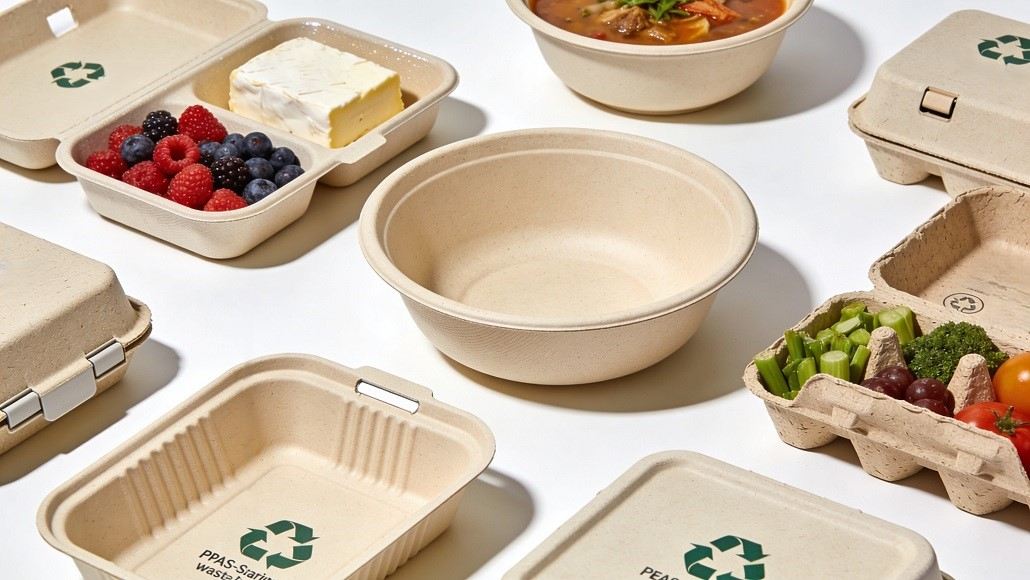

The global food industry is currently navigating a period of profound transformation, defined by a move away from traditional polymers toward more regenerative solutions. At the forefront of this movement is sustainable moulded fibre packaging, a material that has evolved from its humble origins in egg cartons to become a sophisticated, high-performance option for a vast array of food applications. This transition is not merely a response to consumer pressure but is rooted in the fundamental need for materials that align with the principles of a circular economy. By utilizing renewable resources such as recycled paper, cardboard, and agricultural residues, the industry is discovering that fibre-based solutions can meet the rigorous demands of food preservation while significantly lowering the environmental footprint of the supply chain. The historical reliance on petroleum-based plastics has led to an ecological crisis that necessitates a paradigm shift in material science, and moulded fibre is proving to be the most viable successor in the race toward zero-waste food systems.
The Evolution of Fibre Integrity in Food Environments
In the past, the primary limitation of fibre-based materials in the food sector was their inherent vulnerability to moisture and grease. A paper bowl that softens when filled with soup or a tray that loses its shape under the weight of fresh produce is of no use to a modern retailer. However, recent scientific breakthroughs in chemistry and material science have fundamentally altered the capabilities of sustainable moulded fibre packaging. Engineers are now able to incorporate bio-based additives and specialized coatings that provide the necessary barriers without compromising the composability of the final product. These advancements ensure that whether the application is a tray for fresh produce or a container for high-moisture prepared meals, the structural integrity remains intact throughout the distribution cycle. The modern iteration of moulded fibre is no longer a “weak” alternative but a robust engineered material capable of withstanding extreme temperatures and mechanical stresses.
Advanced Barrier Technologies for Perishables
The protection of perishable goods requires a nuanced approach to moisture management. Modern manufacturing processes now employ thermoforming techniques that result in a much denser and smoother surface than traditional vacuum-forming methods. This increased density acts as a natural deterrent to liquid penetration. Furthermore, the integration of PFAS-free oil and water repellents has become a standard requirement, ensuring that the packaging remains safe for human consumption and environmentally benign. These technological strides allow brands to maintain the shelf life of their products while proudly displaying their commitment to plastic free packaging. The development of nanocellulose coatings has further enhanced these barriers, providing a microscopic layer of protection that prevents oxygen from reaching the food, thereby reducing spoilage and extending the sell-by date of delicate items like berries or soft cheeses.
Regulatory Compliance and Global Standards
As governments around the world enact stricter legislation against single-use plastics, the role of fibre packaging materials has become even more critical. Regulations like the European Union’s Single-Use Plastics Directive and various state-level bans in the US have set a clear trajectory for the industry. Sustainable moulded fibre packaging provides a compliant pathway for businesses to avoid the heavy taxes and bans associated with traditional plastics. By adopting these eco friendly food packaging solutions, companies are not only future-proofing their operations but are also positioning themselves as leaders in the global effort to mitigate plastic pollution. This regulatory landscape is forcing a re-evaluation of the entire life cycle of food packaging, pushing companies to look beyond just the point of sale and consider the end-of-life impact of every container they produce.
Consumer Sentiment and the Visual Language of Sustainability
The psychological impact of packaging cannot be overstated in a retail environment. There is a growing segment of “conscious consumers” who actively seek out products that reflect their values. The tactile, organic feel of moulded fibre conveys a sense of authenticity and care that synthetic materials often lack. When a consumer picks up a product encased in sustainable food packaging, there is an immediate, physical connection to the concept of sustainability. This visual and tactile language helps brands build trust and loyalty, as it provides a tangible demonstration of their ecological commitments without the need for excessive marketing jargon. In an era of “greenwashing” skepticism, the raw and honest appearance of moulded fibre stands out as a genuine marker of environmental responsibility, often acting as a silent brand ambassador that speaks louder than a label.
Economic Viability and Scalability
While the initial shift from plastic to fibre may seem daunting from a cost perspective, the long-term economic outlook is increasingly favorable. As production scales and technology matures, the price gap between moulded fibre and plastic is narrowing. Moreover, when considering the total cost of ownership including waste management fees and potential carbon taxes sustainable moulded fibre packaging often emerges as the more financially sound choice. The ability to use diverse feedstock, ranging from industrial wood pulp to wheat straw and bamboo, provides a level of supply chain resilience that is difficult to achieve with petroleum-based products. Furthermore, the infrastructure for pulping and moulding is becoming more widespread, allowing for localized production that reduces transportation costs and further lowers the carbon footprint of the packaging itself.
Engineering the Future of Bio-Based Resins
To further enhance the performance of fibre-based products, researchers are exploring the use of bio-based resins derived from lignin and hemicellulose. These natural polymers can be used to reinforce the fibre matrix, creating a composite material that rivals the durability of traditional plastics. This innovation is particularly relevant for heavy-duty food applications, such as large-scale catering trays or reusable food containers. By leveraging the internal chemistry of the plants themselves, the industry is moving toward a future where packaging is not just a protective shell but a high-tech material that is fully integrated into the biological cycle. This approach minimizes the need for external additives, making the final product even easier to process in industrial composting facilities.
Addressing the Global Food Waste Crisis
The relationship between packaging and food waste is a complex one. While packaging itself is often viewed as a waste problem, its primary function is to protect the resources that go into food production. Sustainable moulded fibre packaging plays a dual role here: it provides the necessary protection to prevent premature spoilage while ensuring that the packaging itself does not become a permanent environmental pollutant. In many developing regions, where cold-chain infrastructure is limited, the breathable and insulating properties of moulded fibre can be a lifesaver for fresh produce. By preventing mechanical damage and regulating humidity, these containers help ensure that more food reaches the consumer’s plate in edible condition, thereby addressing one of the most significant challenges in the global food supply chain.
The Role of Design in Enhancing Functionality
Design is the silent partner in the success of any packaging material. For moulded fibre, the design process involves sophisticated 3D modeling to ensure that every curve and rib contributes to the overall strength of the structure. Designers are now creating multifunctional containers that can transition from the refrigerator to the oven and then to the dinner table. This versatility is a key requirement for modern consumers who value convenience and efficiency. By integrating features such as “easy-open” tabs and secure locking mechanisms into the mould itself, manufacturers are proving that sustainable food packaging does not have to be rudimentary. Instead, it can be a highly engineered solution that enhances the user experience while upholding the highest standards of environmental integrity.
Integrating Smart Packaging Features
As we look toward the next decade, the integration of smart features into moulded fibre packaging is becoming a reality. Researchers are experimenting with embedding sensors or QR codes directly into the fibre matrix to provide real-time information about the freshness of the food or its journey through the supply chain. This transparency is highly valued by consumers who want to know exactly where their food comes from and how it was handled. Furthermore, these smart features can help retailers manage their inventory more effectively, further reducing waste. The marriage of ancient fibre materials with modern digital technology represents the pinnacle of innovation in the food packaging industry, creating a system that is both ecologically grounded and technologically advanced.
Closing the Loop: The End-of-Life Reality
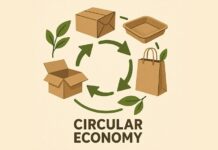
The ultimate test of any sustainable material is what happens to it after its primary use. Sustainable moulded fibre packaging excels in this regard because it offers multiple pathways for disposal. In regions with robust paper recycling, these containers can often be pulped and turned back into new packaging. In areas where composting is more accessible, they can be returned to the soil, providing nutrients for the next generation of crops. This flexibility is essential for a global market where waste management infrastructure varies significantly from one country to another. By designing products that are inherently benign, the industry is removing the “guilt” associated with consumption, allowing consumers to participate in a circular economy without having to change their fundamental behaviors.