











The narrative surrounding global packaging is undergoing a profound and necessary shift. For decades, plastic has been the undisputed champion of the shipping and retail world, prized for its low cost, lightweight properties, and seemingly infinite versatility. However, the environmental cost of this convenience has become impossible to ignore. From microplastics in the ocean to the carbon-intensive nature of polymer production, the “age of plastic” is being scrutinized like never before. In its place, plastic replacement moulded fibre is emerging as the most viable and scalable successor. This transition is not just about swapping one material for another; it is about a fundamental rethinking of how we protect, present, and eventually dispose of the products that power our lives.
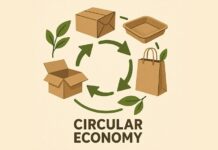
The drive toward plastic replacement is fueled by a convergence of consumer demand, regulatory pressure, and technological advancement. Consumers are no longer satisfied with vague promises of recyclability; they want materials that they know will not persist in the environment for hundreds of years. Meanwhile, governments are implementing bans on single-use plastics and taxes on virgin polymers, making the economic case for alternatives more compelling every day. Moulded fibre, with its ability to be sourced from renewable plants and its natural ability to return to the earth, is uniquely positioned to fill the void left by plastic. This transition represents a major opportunity for brands to lead with integrity and secure a competitive advantage in a circular economy.
Identifying the Most Critical Conversion Points
One of the most immediate opportunities for plastic replacement lies in the electronics industry. Historically, high-end gadgets have been shipped in expanded polystyrene (EPS) or plastic “blister” packs to protect them from the rigors of transit. These materials are notoriously difficult to recycle and often end up as persistent litter. Moulded fibre alternatives now offer equivalent, and in some cases superior, vibration-dampening properties. By precision-engineering the geometry of the fibre tray, manufacturers can create “crumple zones” that absorb impact energy more effectively than rigid plastic. This shift allows tech giants to ship their products in packaging that is not only protective but also 100% curbside recyclable, aligning the product’s high-tech image with a high-integrity environmental profile.
The conversion of electronics packaging is a high-profile success story that is inspiring other sectors. When a company like Apple or Sony moves away from plastic inserts toward moulded fibre, it sends a powerful signal to the rest of the market. These companies have shown that fibre can be engineered to meet the extremely tight tolerances required for automated packing lines. Furthermore, the ability to color and texture fibre allows these brands to maintain their premium “unboxing” experience without the use of non-recyclable materials. This proves that sustainability and luxury are not mutually exclusive, but rather can be enhanced through thoughtful material choice.
The Transformation of E-commerce and Protective Packaging
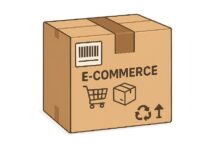
The explosion of e-commerce has led to a parallel explosion in “void fill” and protective inserts. Plastic air pillows and bubble wrap have become the bane of the conscious consumer’s existence. Plastic replacement moulded fibre provides a structured and efficient alternative. Instead of filling a box with loose plastic, custom-moulded fibre inserts can hold products securely in place, preventing movement and reducing the overall size of the shipping box. This “right-sizing” of packaging not only eliminates the need for plastic but also optimizes shipping space, leading to a secondary reduction in transport-related carbon emissions. This holistic approach to sustainable packaging materials is what differentiates a simple substitute from a true systemic improvement.
In the world of e-commerce, the packaging is the only physical touchpoint between the brand and the customer. Receiving a box full of non-recyclable plastic air pillows can create a negative emotional response, even if the product itself is high-quality. In contrast, receiving a neatly organized box with custom-moulded fibre inserts conveys a sense of professionalism and environmental responsibility. Many e-commerce companies are also finding that moulded fibre can be reused by the customer for returns, further extending the material’s life and reducing the overall waste generated by the online shopping cycle. This focus on the “user journey” is a key driver in the move away from single-use plastics.
Revolutionizing the Food and Beverage Sector
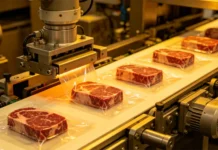
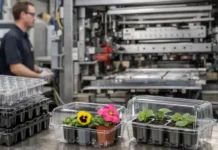
Perhaps the most visible battlefield for plastic reduction is the supermarket aisle. From meat trays to produce containers, single-use plastic is everywhere. Moulded fibre alternatives are now proving that they can handle the moisture, fats, and weight of fresh food. By utilizing advanced coatings that are both water-resistant and compostable, these fibre trays provide a plastic free packaging solution that does not leak or soften. Furthermore, the breathable nature of natural fibres can actually extend the shelf life of certain fruits and vegetables compared to non-breathable plastic, which can trap moisture and accelerate rot. This functional advantage is a key selling point for retailers looking to reduce both plastic waste and food waste simultaneously.
The challenge in the food sector has always been the “wet” environment. However, the development of plant-based barriers and high-pressure moulding has made fibre trays competitive even in high-moisture applications. For example, some dairy producers are now testing moulded fibre tubs for margarine and yogurt, traditionally the domain of HDPE and polypropylene. These fibre tubs are often lined with a thin, removable film or a bio-based coating, ensuring the product remains fresh while significantly reducing the total volume of plastic used. This “hybrid” approach is a practical stepping stone toward 100% plastic-free solutions, allowing the industry to transition at a manageable pace.
Overcoming the Misconceptions of Fibre Durability
A common hurdle in the adoption of plastic replacement moulded fibre is the perception that “paper” cannot possibly be as strong as plastic. This misconception fails to account for the structural engineering that goes into modern fibre moulding. When cellulose fibres are wet-pressed and dried under high heat, they form a dense, rigid matrix that is remarkably strong for its weight. In many industrial applications, moulded fibre is now being used to support heavy loads that were previously reserved for wood or heavy-duty plastic, such as automotive parts and large appliances.
The strength of fibre comes from the bonding of the cellulose molecules during the drying process. By varying the type of fibre used—such as adding long-fibre virgin pulp or bamboo engineers can fine-tune the material’s strength to meet specific requirements. Additionally, the use of ribbing and curved geometries can significantly increase the load-bearing capacity of a fibre tray. These design techniques are similar to those used in architecture and aerospace, showing that moulded fibre is a sophisticated engineering material, not just a simple byproduct of the paper industry. As more success stories emerge, the “durability gap” between plastic and fibre is being revealed as a myth of the past.
Economic Realities and the Cost of Inaction
While the per-unit cost of a plastic tray may still be lower in some markets, the “true cost” of plastic is rising rapidly. Extended Producer Responsibility (EPR) laws are increasingly holding companies financially accountable for the end-of-life management of the packaging they put into the market. When these fees, along with potential carbon taxes and the rising cost of virgin plastic, are factored in, the economic case for eco packaging solutions becomes much more compelling. Furthermore, the reputational risk of being associated with plastic pollution is a significant factor for modern brands.
For a forward-thinking business, the investment in moulded fibre is a form of risk management. As regulations tighten, companies that are still dependent on plastic will find themselves facing increasing costs and a shrinking market of willing consumers. Conversely, those that have already transitioned to sustainable packaging materials will be better positioned to navigate the changing landscape. This “first-mover advantage” can be a powerful driver of market share, as retailers increasingly prioritize suppliers who can help them meet their own sustainability targets. In the long run, the most expensive packaging is the one that causes the most environmental damage.
Design Thinking and the User Experience
The move to fibre also offers a unique opportunity to improve the “unboxing” experience. Plastic clamshells are notorious for being difficult and even dangerous to open a phenomenon often called “wrap rage.” In contrast, moulded fibre packaging is intuitive and user-friendly. It can be designed with integrated tabs, hinges, and tear-strips that make opening a product a seamless and pleasant experience. This focus on “haptic sustainability” the way a material feels in the hand is a powerful tool for brand differentiation.
The tactile experience of fibre is fundamentally different from that of plastic. It feels warmer, more organic, and more high-quality. This is not just an aesthetic preference; it is a psychological signal of value. When a customer holds a well-designed fibre package, they perceive the brand as being more thoughtful and attentive to detail. This emotional connection can be a key factor in building brand loyalty. By replacing a “frustrating” plastic package with a “satisfying” fibre one, companies can turn a mundane task into a positive brand interaction. This is the hidden power of material choice in the modern retail environment.
Navigating the Global Regulatory Landscape
The shift away from plastic is being accelerated by a wave of global legislation. From India’s ban on single-use plastics to the UK’s Plastic Packaging Tax and the EU’s Packaging and Packaging Waste Regulation (PPWR), the legal landscape is making it increasingly difficult to rely on traditional polymers. Plastic replacement moulded fibre provides a clear, compliant pathway for global companies to navigate these regulations. Because it is derived from renewable resources and has a well-understood end-of-life path, fibre packaging is generally exempt from the taxes and restrictions that target plastic.
This regulatory alignment is not accidental. Policy makers are actively looking for materials that fit into a circular economy, and moulded fibre is a perfect candidate. It is both recyclable and compostable, satisfying the two main pillars of sustainable waste management. For multinational corporations, having a single packaging solution that is compliant across all their markets is a massive operational benefit. Instead of managing a patchwork of different materials to meet local laws, they can standardize on fibre and focus on their core business. This regulatory “safe harbor” is perhaps the strongest argument for the wide-scale adoption of moulded fibre in the coming years.