
















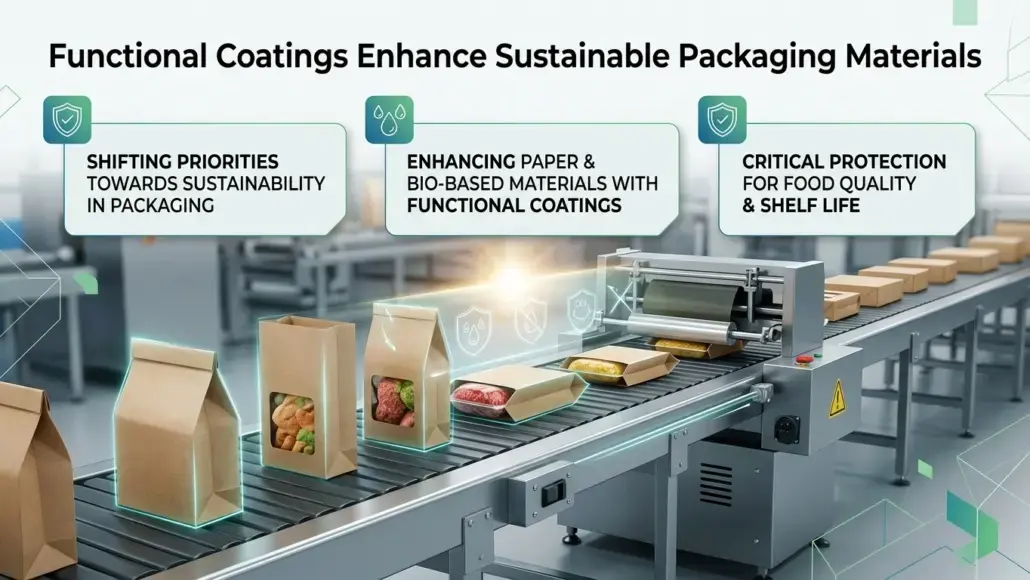
The drive toward environmental responsibility has fundamentally altered the priorities of the packaging sector, with a significant move away from traditional single-use plastics in favor of more circular alternatives. However, the transition to paper and bio-based polymers often presents challenges in terms of maintaining the necessary protection for the contents. These materials frequently lack the inherent resistance to moisture, grease, and oxygen that is required to preserve product quality and safety. To bridge this gap, the industry is increasingly relying on advanced surface treatments, and it is clear that functional coatings enhancing sustainable packaging are essential for making these materials viable for widespread commercial use.
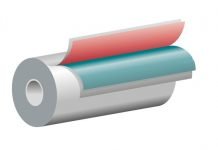
Functional coatings are thin layers of specialized materials applied to the surface of a substrate to provide specific properties that the base material does not possess. In the context of sustainable packaging, these coatings are designed to provide the barrier properties needed to prevent product spoilage and contamination. By utilizing these advanced treatments, manufacturers can create packaging that is both environmentally friendly and highly functional. This intersection of material science and environmental stewardship is a key characteristic of the modern packaging industry.
Enhancing Barrier Properties and Shelf Life Extension
The primary function of a coating in the packaging process is to protect the product from the external environment. For food and pharmaceutical products, this means preventing the ingress of oxygen and moisture, which can lead to degradation and loss of efficacy. Functional coatings provide a robust barrier that can match or even exceed the performance of traditional plastic laminates. This allows for the use of paper-based containers for products that were previously restricted to plastic or aluminum, significantly reducing the environmental footprint of the final unit.
Shelf life extension is another critical benefit of utilizing advanced coatings. By maintaining the integrity of the barrier over a longer period, these treatments can prevent food waste and ensure that the product reaches the consumer in the best possible condition. This is particularly important in a global economy where products may be transported long distances and stored in a variety of environmental conditions. The ability to provide this level of protection while using recyclable packaging is a major advancement that supports both the clinical requirements of the product and the environmental goals of the organization.
Material Science and Recyclable Packaging Solutions
The development of functional coatings requires a deep understanding of material science and the specific needs of the end application. Many modern coatings are formulated using bio-based polymers and minerals that are compatible with existing recycling and composting infrastructure. This is a critical factor, as a coating that prevents the base material from being recycled would defeat the purpose of using sustainable packaging in the first place. The focus of the industry is on creating “mono-material” solutions where the coating and the substrate can be processed together in a single stream.
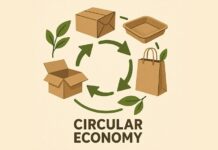
Functional coatings are also being developed to provide properties such as grease resistance and heat sealability. These features are essential for applications such as fast-food packaging and flexible pouches. By integrating these functions into the coating, manufacturers can eliminate the need for additional plastic films or foils, simplifying the structure of the package and making it easier to recycle. This move toward simplified, high-performance materials is a hallmark of the circular economy and a key driver of innovation in the sector.
Compostable Materials and Bio-Based Innovation
For certain applications, compostable materials provide the best end-of-life solution, particularly when the package is likely to be contaminated with food residue. Functional coatings play a vital role in these systems by ensuring that the package remains stable during use but breaks down quickly in a composting environment. Researchers are exploring the use of natural substances such as starch, cellulose, and proteins to create coatings that are fully biodegradable and non-toxic. This bio-based innovation is essential for meeting the growing demand for truly sustainable packaging solutions.
The integration of these advanced coatings into the manufacturing process also requires a focus on efficiency and scalability. Modern coating application techniques, such as curtain coating and extrusion coating, allow for the precise and high-speed application of the material to the substrate. This ensures that the added functionality does not lead to a significant increase in the cost of production, making the final product more accessible to consumers. The ability to produce functional coatings enhancing sustainable packaging at scale is a significant achievement that reflects the technical sophistication of the modern industry.
Strategic Value and Environmental Responsibility
For companies looking to lead the market in sustainability, the adoption of advanced coatings is a strategic priority. It allows them to meet the increasing pressure from regulators and consumers for plastic-free alternatives without compromising on the quality and safety of their products. This commitment to environmental responsibility is not just a marketing tool but a fundamental requirement for long-term viability in a world where environmental impact is a key metric for business success. The investment in functional coatings is therefore an investment in the future of the brand itself.
The data provided by life cycle assessments (LCAs) frequently highlights the benefits of coated sustainable materials over traditional alternatives. By reducing the total volume of plastic used and improving the recyclability of the package, these solutions can lead to a significant reduction in the total environmental impact of a product. Functional coatings enhancing sustainable packaging are therefore a vital tool for meeting corporate sustainability goals and for contributing to a more circular economy. The role of material science in driving this transition is indisputable, and the coating is the point where that science is applied to the real-world challenges of packaging.
Conclusion
The transition toward more sustainable packaging is a complex journey that requires a balance between environmental goals and functional requirements. Functional coatings provide the solution to this challenge, ensuring that the next generation of materials can provide the protection that products and consumers expect. By enhancing the performance of paper and bio-based polymers, these advanced treatments are making the circular economy a reality.
Looking ahead, we can expect to see even more sophisticated applications of functional coatings, such as the use of active and intelligent features that can monitor product freshness or provide anti-microbial protection. The focus will remain on creating materials that are both high-performing and environmentally benign. The ongoing evolution of functional coatings enhancing sustainable packaging will remain a critical factor in the success of the global packaging sector for decades to come.

