























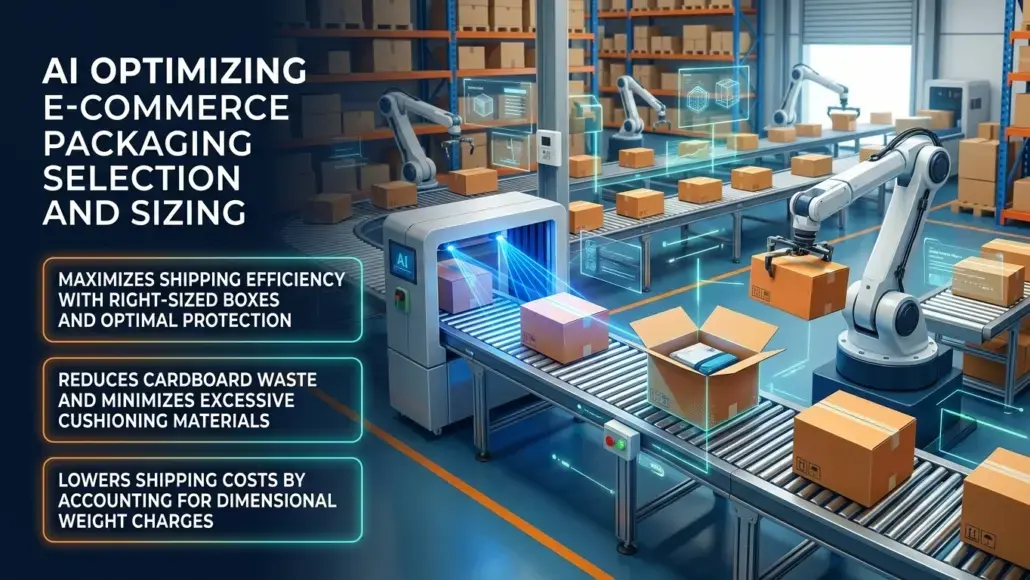
The explosion of digital commerce has brought about a corresponding challenge in how products are prepared for transit. For many years, the primary concern of fulfillment centers was simply to get the product out the door as quickly as possible, often leading to the use of oversized boxes filled with excessive protective materials. This inefficiency has significant financial and environmental costs, particularly as logistics carriers increasingly base their pricing on dimensional weight rather than actual weight. To address this, the industry is turning to advanced computational tools, and the results show that AI optimizing e-commerce packaging is the most effective way to align shipping practices with modern economic and environmental standards.
Artificial intelligence provides the ability to analyze vast amounts of data regarding product dimensions, fragility, and historical shipping outcomes. By utilizing machine learning algorithms, fulfillment centers can predict the most efficient packaging solution for any given order in a fraction of a second. This move away from manual selection not only speeds up the packing process but also ensures that the chosen container is as close to the actual size of the product as possible. The reduction in “shipped air” is a fundamental component of improving logistics efficiency and reducing the total cost of delivery.
Machine Learning for Dimensional Accuracy
The core of this technological shift lies in the ability of machine learning to learn from every shipment. Every time an item is scanned and packed, the system captures data that can be used to refine future predictions. If a particular combination of products and packaging leads to a high rate of damage, the AI can identify this pattern and suggest a more protective alternative. This continuous feedback loop ensures that packaging optimization is a dynamic process that improves over time. This level of precision is impossible to achieve through human decision-making alone, especially in high-volume environments where thousands of unique items are processed daily.
The use of AI optimizing e-commerce packaging also allows for the integration of data from external sources, such as carrier pricing tables and weather forecasts. If a carrier introduces new penalties for oversized parcels, the AI can immediately adjust its selection criteria to minimize the impact on shipping costs. Similarly, if a product is being shipped to a region experiencing extreme temperatures, the system can suggest packaging with better thermal properties. This comprehensive approach to decision-making ensures that every shipment is optimized for the specific conditions it will encounter during transit.
Reducing Material Waste and Improving Sustainability
Consumer expectations regarding environmental responsibility have reached a point where the use of excessive packaging can lead to significant brand damage. Shoppers are increasingly frustrated by receiving small items in large boxes, a phenomenon often referred to as “over-packaging.” By utilizing AI optimizing e-commerce packaging, companies can demonstrate a genuine commitment to sustainable shipping. The system can prioritize the use of recyclable materials and minimize the volume of plastic fillers needed to protect the contents. This not only appeals to eco-conscious consumers but also reduces the physical volume of waste that enters the municipal system.
The environmental benefits of packaging optimization extend beyond the reduction of material waste. When packages are smaller, more of them can fit onto a single delivery vehicle, which reduces the total number of trips required to deliver a given volume of orders. This lead to a direct reduction in the carbon footprint of the logistics operation, which is a key goal for many modern corporations. The ability of artificial intelligence to calculate the optimal orientation of products within a box further contributes to this efficiency, ensuring that every square inch of space is utilized effectively.
Integration within Modern Fulfillment Centers
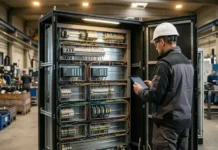
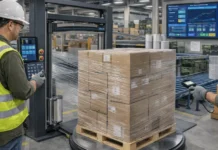
Implementing these advanced systems requires a high degree of integration between the warehouse management software and the physical packing stations. Modern fulfillment centers are equipped with 3D sensors that can measure the dimensions of every incoming item, providing the raw data that the AI needs to make its calculations. This information is then used to direct automated box-making machines or to provide clear instructions to human packers. The goal is to create a seamless workflow where the decision on packaging is made automatically and the physical execution is as efficient as possible.
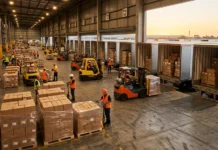
The role of artificial intelligence also extends into the management of packaging inventory. By analyzing order trends, the system can predict which box sizes will be in high demand and ensure that the appropriate stock is always available. This reduces the risk of having to use an oversized box because the correct size is out of stock, a common cause of inefficiency in manual systems. The predictive capabilities of machine learning are essential for maintaining the operational flow of a large fulfillment center, especially during peak seasons where volume can triple or quadruple.
Strategic Logistics and Cost Reduction
The financial impact of AI AI optimizing e-commerce packaging is most visible in the reduction of dimensional weight charges. Logistics carriers have become highly proficient at identifying and charging for the volume occupied by a parcel, regardless of its weight. For many e-commerce firms, these charges can represent a significant portion of their total shipping costs. By consistently selecting the smallest possible container, firms can save millions of dollars annually. These savings can then be reinvested into other areas of the business, such as product development or customer service, providing a clear competitive advantage.
Beyond the direct costs of shipping, packaging optimization also reduces the indirect costs associated with product damage and returns. While the goal is to minimize the size of the box, the AI also ensures that there is adequate protection for the contents. By analyzing historical damage data, the system can determine the optimal amount of cushioning required for different types of products. This balanced approach ensures that the drive for efficiency does not come at the expense of customer satisfaction. A product that arrives safely in a right-sized box is the ultimate measure of a successful fulfillment operation.
Conclusion
The transition toward intelligent packaging selection is a necessary response to the complexities of modern digital commerce. As the volume of shipments continues to rise, the inefficiencies of manual processes will become even more costly and unsustainable. The adoption of artificial intelligence provides the precision and scale needed to manage these challenges effectively.
Looking forward, we can expect to see even more sophisticated applications of this technology, such as the use of computer vision to identify product fragility and the integration of real-time carrier capacity data. The focus will remain on creating a logistics environment that is both financially viable and environmentally responsible. The ongoing evolution of AI optimizing e-commerce packaging will remain a critical factor in the success of the global e-commerce sector for years to come.

