

















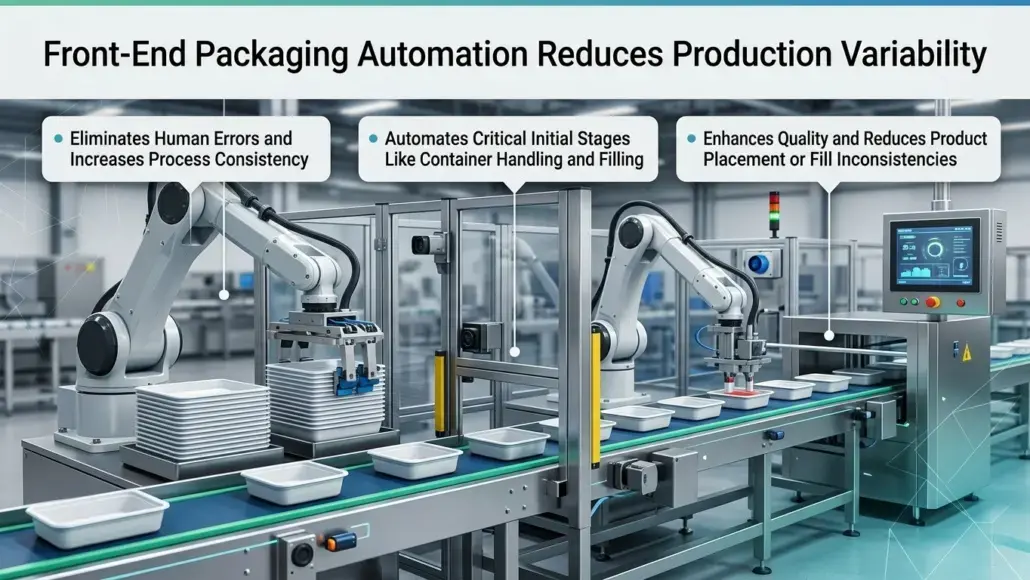
The initial stages of the packaging process, where the product is first introduced to its primary container, are often the most critical for ensuring the quality and safety of the final unit. In many traditional facilities, these “front-end” tasks—such as container denesting, product orienting, and initial filling—have relied heavily on manual labor or semi-automated systems. However, the inherent variability of human intervention can lead to inconsistencies in product placement, fill levels, and hygiene standards. To mitigate these risks, the industry is increasingly turning to advanced mechanical solutions, and it is clear that front-end packaging automation is the key to maintaining a high level of manufacturing consistency.
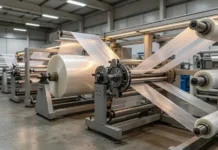
Production variability is a significant challenge for any high-volume manufacturing operation, as it can lead to increased waste, higher rates of rework, and potential safety issues. By automating the front-end processes, firms can ensure that every action is performed with a level of repeatability that human workers cannot match. Automated denesters, for example, can place trays or containers onto the line with perfect timing and alignment, ensuring that the downstream filling and sealing equipment can operate without interruption. This reduction in physical variability is a fundamental requirement for optimizing the entire packaging workflow and ensuring a predictable output.
Improving Manufacturing Consistency and Quality
The role of front-end packaging automation in supporting quality assurance cannot be overstated. When the primary packaging process is automated, the risk of contamination is significantly reduced, as there is less direct human contact with the product and its container. This is particularly vital in industries such as food processing, pharmaceuticals, and medical devices, where strict hygiene standards are a regulatory requirement. Modern packaging machinery is designed with “washdown” capabilities and smooth surfaces that prevent the buildup of bacteria, further enhancing the safety of the manufacturing environment.
Consistency in product filling is another area where automation provides a clear advantage. Automated filling systems can be calibrated to deliver the exact volume or weight of product required for every unit, minimizing “giveaway” and ensuring that the package meets the specified standards. This precision is essential for maintaining the financial health of the operation, as even small overfills can add up to significant losses over thousands of units. By utilising front-end packaging automation, firms can achieve a level of accuracy that supports both their clinical or technical requirements and their economic goals.
Labor Reduction and Operational Efficiency
The move toward industrial automation is also driven by the need to manage rising labor costs and the difficulty of finding skilled workers for repetitive tasks. Front-end automation allows firms to reallocate their human capital to more complex and value-added roles, such as quality control monitoring or equipment maintenance. This labor reduction not only lowers the direct costs of production but also improves the overall safety of the workplace by removing workers from potentially hazardous environments near high-speed machinery. The investment in automation is a strategic decision that addresses the long-term workforce challenges facing the manufacturing sector.
Operational efficiency is also enhanced through the reduction of downtime associated with manual processes. Automated systems can operate continuously for long periods with minimal intervention, allowing the facility to maintain a high rate of production throughout the day. Furthermore, modern front-end systems are often equipped with automated changeover features that allow the line to switch between different container sizes or product types with minimal delay. This flexibility is essential for meeting the demands of a market where smaller batch sizes and a wider variety of product formats are increasingly common.
Industrial Engineering and System Integration
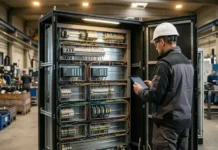
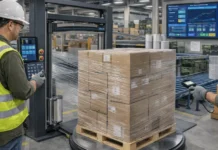
The successful implementation of front-end packaging automation requires a comprehensive approach to industrial engineering and system integration. It is not enough to simply add an automated machine to an existing line; the entire workflow must be designed to support the increased speed and precision of the new equipment. This includes the optimization of conveyor paths, the synchronization of timing between different machines, and the integration of control systems that provide a unified view of the production process. A well-engineered front-end system is a hallmark of a modern, high-performance manufacturing facility.
The data generated by automated front-end machinery provide a wealth of information for process optimization. By monitoring the performance of each machine in real-time, industrial engineers can identify subtle trends and anomalies that may indicate a need for adjustment or maintenance. This proactive approach to management ensures that the line continues to operate at peak efficiency and that any potential issues are addressed before they lead to a significant production stoppage. The ability to leverage this data is a key differentiator for firms that are looking to lead the market in manufacturing consistency and quality.
Primary Packaging and Strategic Innovation
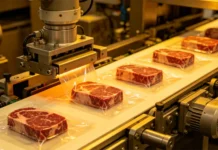
Primary packaging is the first line of defense for a product, and its integrity is essential for maintaining shelf life and preventing damage. Front-end automation ensures that this initial stage is performed with the highest possible standards of care. Whether it is the precision placement of a label or the airtight seal of a tray, the automated process provides a level of reliability that builds consumer trust. The investment in front-end packaging automation is therefore an investment in the brand itself, ensuring that the customer receives a product that is safe, consistent, and visually appealing every time.
As the technology continues to evolve, we see the integration of more advanced features such as computer vision and robotic pick-and-place systems within the front-end workflow. these tools allow for the handling of more complex and delicate products, expanding the range of applications for automation. The ongoing innovation in this space is driven by a commitment to solving the most pressing challenges of the manufacturing sector, from reducing waste to improving the sustainability of the packaging process. The future of primary packaging is clearly one where automation and intelligent design work in tandem to achieve the highest possible levels of excellence.
Conclusion
The transition toward a more automated front-end process is a defining trend in the modern packaging industry. By reducing the variability associated with manual labor and semi-automated systems, firms can achieve a level of operational precision that supports their long-term growth and success. The benefits of front-end packaging automation extend across every aspect of the manufacturing operation, from improved quality and safety to enhanced efficiency and labor productivity.
In the coming years, the focus will likely remain on the integration of smarter and more flexible systems that can adapt to the changing needs of the market. The ability to maintain consistency in a world of increasing complexity will remain a key characteristic of successful manufacturing firms. The ongoing commitment to front-end packaging automation will continue to provide the foundation for a more resilient, responsive, and high-quality packaging sector.

