





















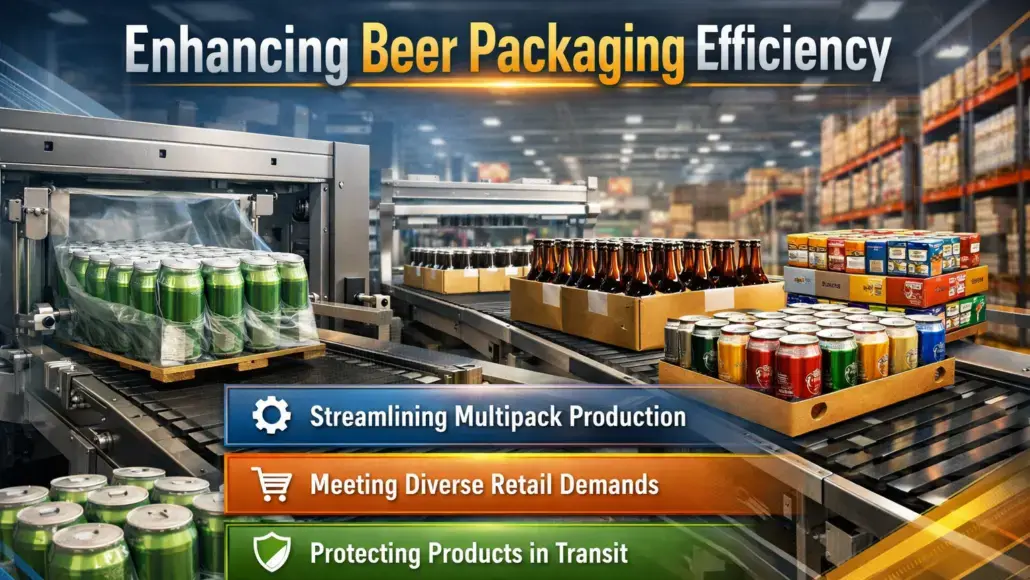

The strategic deployment of Multipack Packaging Systems Optimizing Beer Handling and Transport is a critical factor in the efficiency of the modern beverage supply chain. As the retail sector continues to diversify its offerings, breweries must be able to produce a wide range of pack formats, from traditional six-packs and twelve-packs to large-format variety trays and club packs. These secondary packaging solutions serve multiple purposes: they protect the primary containers from damage during transit, facilitate efficient handling at the warehouse level, and provide a vital canvas for brand marketing at the point of sale. The evolution of multipack technology focuses on increasing the speed of the packing process while simultaneously reducing the volume of material used, balancing the needs for structural integrity and environmental sustainability.
The mechanical process of creating a multipack involves the high-speed synchronization of container grouping, carton erecting, and final sealing. For bottled beer, this often involves the use of basket carriers or wrap-around cartons that secure the bottles and prevent glass-to-glass contact, which is the leading cause of breakage during transport. For canned beer, the focus has shifted toward film-free solutions such as cardboard clips or recycled plastic rings, as well as high-speed shrink-wrapping systems for larger configurations. The integration of Multipack Packaging Systems Optimizing Beer Handling and Transport ensures that these grouping operations occur without causing turbulence on the production line, maintaining the stability of the containers as they transition from the filler to the final palletizing stage.
Engineering for Structural Integrity and Pallet Stability
The primary technical challenge in secondary packaging is ensuring that the multipack can withstand the rigors of the global logistics network. This includes the vertical compression forces encountered during stacking in the warehouse, the lateral stresses during truck transport, and the environmental factors such as humidity that can weaken paper-based materials. Modern multipack systems utilize specialized glue application patterns and structural reinforcements to maximize the strength of the package while minimizing the weight of the cardboard. By using finite element analysis, packaging engineers can design cartons that provide the necessary support for the primary containers while using up to 20 percent less material than traditional designs. This reduction in material not only lowers costs but also significantly reduces the carbon footprint of the packaging process.
Pallet stability is another crucial consideration. A well-designed multipack must integrate perfectly with the pallet pattern to ensure a stable load that will not shift or collapse during handling. The use of interlocking designs and non-slip coatings on the secondary packaging helps to maintain the integrity of the pallet even when subjected to high acceleration or braking forces during transport. Multipack Packaging Systems Optimizing Beer Handling and Transport also incorporate automated tray loaders and case packers that can adjust their settings in real-time to accommodate variations in container dimensions or pack configurations. This flexibility is essential for breweries that produce a wide variety of brands and package sizes on the same production line, allowing for rapid changeovers and minimal downtime.
Innovations in Sustainable Secondary Packaging
Sustainability has become a primary driver for innovation in the multipack sector. Many breweries are moving away from traditional plastic shrink-wrap in favor of biodegradable or fully recyclable paper-based alternatives. These new materials must provide the same level of moisture resistance and strength as plastic, which has led to the development of specialized coatings and fibers. For example, some breweries are now using “top-clip” cardboard designs that secure the tops of the cans while leaving the bodies exposed, significantly reducing the amount of packaging material required for a four-pack or six-pack. The automated machinery required to apply these clips must be extremely precise, ensuring a secure fit without damaging the can lids or tabs.
The shift toward film-free packaging also reduces the operational complexity of the packaging line. Traditional shrink-wrapping systems require large heat tunnels that consume significant amounts of energy and can impact the temperature of the beer. By eliminating these tunnels, breweries can reduce their utility costs and simplify the maintenance of the packaging line. Multipack Packaging Systems Optimizing Beer Handling and Transport that utilize cold-glue application or mechanical locking mechanisms represent a more energy-efficient approach to secondary packaging. Additionally, the use of recycled materials in the production of cardboard and paperboard contributes to a circular economy, aligning the brewery’s operations with the increasing environmental expectations of consumers and regulatory bodies.
Digital Integration and Supply Chain Traceability
The modern multipack is more than just a container; it is a source of critical data for the supply chain. Every multipack is typically marked with a unique code that allows for traceability from the production line to the final retail location. This information is used to track inventory levels, monitor the freshness of the product, and manage potential recalls. Automated packaging systems integrate these coding operations directly into the packing process, ensuring that every carton is correctly labeled with the batch number, production date, and expiration information. The integration of Multipack Packaging Systems Optimizing Beer Handling and Transport with the brewery’s warehouse management system (WMS) allows for a seamless flow of information, improving the accuracy of order fulfillment and reducing the risk of logistical errors.
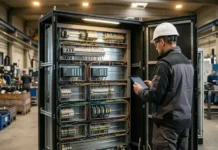
In addition to traceability, the data collected by the packaging machinery provides insights into the performance of the packing process itself. By monitoring variables such as glue temperature, carton tension, and rejection rates, maintenance teams can identify potential issues before they lead to significant downtime. For example, a sudden increase in the number of rejected cartons may indicate a problem with the quality of the cardboard or a misalignment in the erecting station. By addressing these issues in real-time, breweries can maintain a high OEE and ensure that their packaging operations are as efficient as possible. The move toward “connected packaging” is a significant trend in the industry, providing a digital link between the brewery, the distributor, and the consumer.
Enhancing Retail Presentation and Consumer Convenience
The final role of the multipack is to attract and inform the consumer in a retail environment. The design of the package must facilitate easy handling, including features such as integrated handles or easy-open tabs that enhance the consumer experience. High-quality printing techniques are used to ensure that the brand’s graphics are vibrant and durable, even when exposed to the condensation and temperature fluctuations common in refrigerated displays. Multipack Packaging Systems Optimizing Beer Handling and Transport ensure that the primary containers are oriented correctly within the carton so that the brand labels are always visible through any viewing windows. This attention to detail is essential for maintaining a premium brand image and encouraging repeat purchases.
The ability to create variety packs is another significant advantage of modern multipack systems. By integrating multiple product streams into a single packing station, breweries can create packs that feature different beer styles, which is a popular trend in the craft beer segment. This requires a high level of coordination between the different infeed conveyors and the grouping mechanism, ensuring that the correct combination of products is placed in each carton. The flexibility of these systems allows breweries to respond quickly to market trends and launch new products with minimal investment in new machinery. By combining structural integrity, sustainability, and retail appeal, modern multipack systems provide a comprehensive solution for the complex challenges of beer distribution and sales.
The rise of e-commerce has also presented new challenges for Multipack Packaging Systems Optimizing Beer Handling and Transport. Products destined for direct-to-consumer delivery are subjected to much higher levels of individual handling and mechanical shock compared to traditional palletized shipments. To address this, packaging systems are now incorporating specialized cushioning inserts and reinforced outer cases that can withstand the rigors of small-parcel shipping. These designs must be optimized to prevent internal movement of the primary containers, which could lead to label scuffing or leakage. The integration of moisture-resistant liners and structural baffles ensures that the beer remains protected even if the outer package is exposed to adverse weather conditions during the final mile of delivery. This focus on durability in the e-commerce channel is essential for maintaining product quality and brand integrity in the modern retail market.
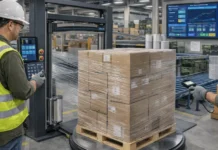
Another emerging trend is the use of automated load-securing technology for international shipping. Multipack Packaging Systems Optimizing Beer Handling and Transport are increasingly being integrated with advanced pallet-wrapping and strapping systems that utilize high-performance stretch films and reinforced bands. These systems are programmed to apply the correct amount of tension to the load, ensuring that the multipacks remain securely positioned on the pallet without being crushed or deformed. The use of specialized slip-sheets and corner protectors further enhances the stability of the load during long-distance maritime transport. By optimizing the pallet configuration and securing mechanisms, breweries can maximize the number of units shipped in each container while minimizing the risk of damage. These technical advancements ensure that the packaging sector continues to support the global expansion of the beer industry, providing the necessary stability and efficiency for complex international supply chains. The continued evolution of these systems will focus on further material reductions and the integration of more sophisticated digital features, ensuring that the packaging sector remains at the heart of the beverage industry’s growth and innovation.